
Two students sit at a desk. A teacher is leaning over to talk to one of them as they look at the student's work together.

Middle Grade Math

Overview

Overview


Middle grade math builds problem-solving skills that shape students’ success in later grades and beyond.

Lessons from across the StriveTogether Cradle to Career Network show how communities align data, policy and practice to strengthen middle grade math instruction, support teachers and get better student outcomes.

Middle grade math is important to student success because it is the start of developing critical thinking skills, taking abstract ideas into practical application, and building the rigor needed for postsecondary readiness.

Richard Tagle, president and executive director of E3 Alliance

Austin, Texas

Explore What’s Working in Texas
Richard Tagle, president and executive director of Cradle to Ccreer Network member E3 Alliance, smiles at the camera.
The Challenge Why It Matters
Why It Matters

Students who build strong middle grade math skills are:

Two middle-school aged boys sit at a table working off of laptops.

On track for high school graduation

Eighth grade math proficiency is a strong predictor of high school graduation and postsecondary success. Students who fall behind in middle school are less likely to finish advanced coursework and more likely to disengage later. 

Supporting math during middle school helps students build confidence, access higher-level classes and stay on track for key milestones.

Less likely to fall behind as expectations rise

Gaps in math achievement often widen during the middle grades, with content becoming more complex and expectations increasing. Without strong instruction and support right when they need it, students who struggle are more likely to fall farther behind every year. 

Addressing math challenges in middle school helps prevent long-term gaps in outcomes. This support keeps more students on track for high school success, postsecondary education and future career paths.

Better positioned for postsecondary success

Middle grade math builds the skills students need for their high school classes, career paths and postsecondary education. 

When students develop strong math foundations in the middle grades, they’re better prepared for higher expectations later on. This success opens more options for their careers and long-term economic mobility.

What Drives Change
What Drives Change

Middle grade math improves when the right conditions are created through:
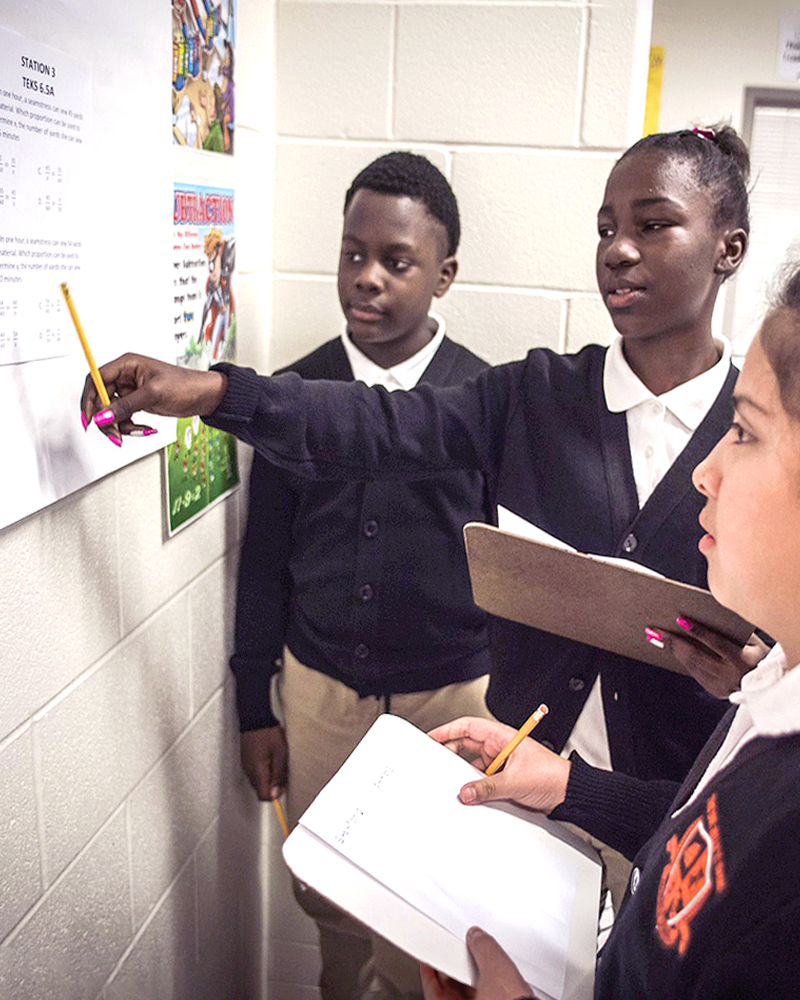
Three middle-school aged students are looking at a poster on the wall, taking notes on clipboards.

High-quality, grade-level math instruction

Students stay on track when math instruction focuses on grade-level work and helps them understand how math works. Using strong materials and clear teaching practices builds problem-solving skills and confidence. 

When classrooms share high expectations and consistent instruction, more students gain the skills they need to succeed in high school math and beyond.

Coaching and support for math educators

Teachers are more effective when they receive ongoing coaching and have time to learn together. Support like classroom feedback, shared planning and access to student data helps teachers improve instruction and meet their students’ needs.

When educators feel prepared and supported, they’re better able to build strong math skills and keep students on track.

Aligned systems supporting math success

Middle grade math outcomes improve when schools, districts and community partners work toward shared goals. Using data together, coordinating supports and aligning policies helps efforts have more impact. 

When systems are connected, students get consistent instruction and support inside and outside the classroom.

Continuing Challenges

Progress in middle grade math continues, but barriers remain.
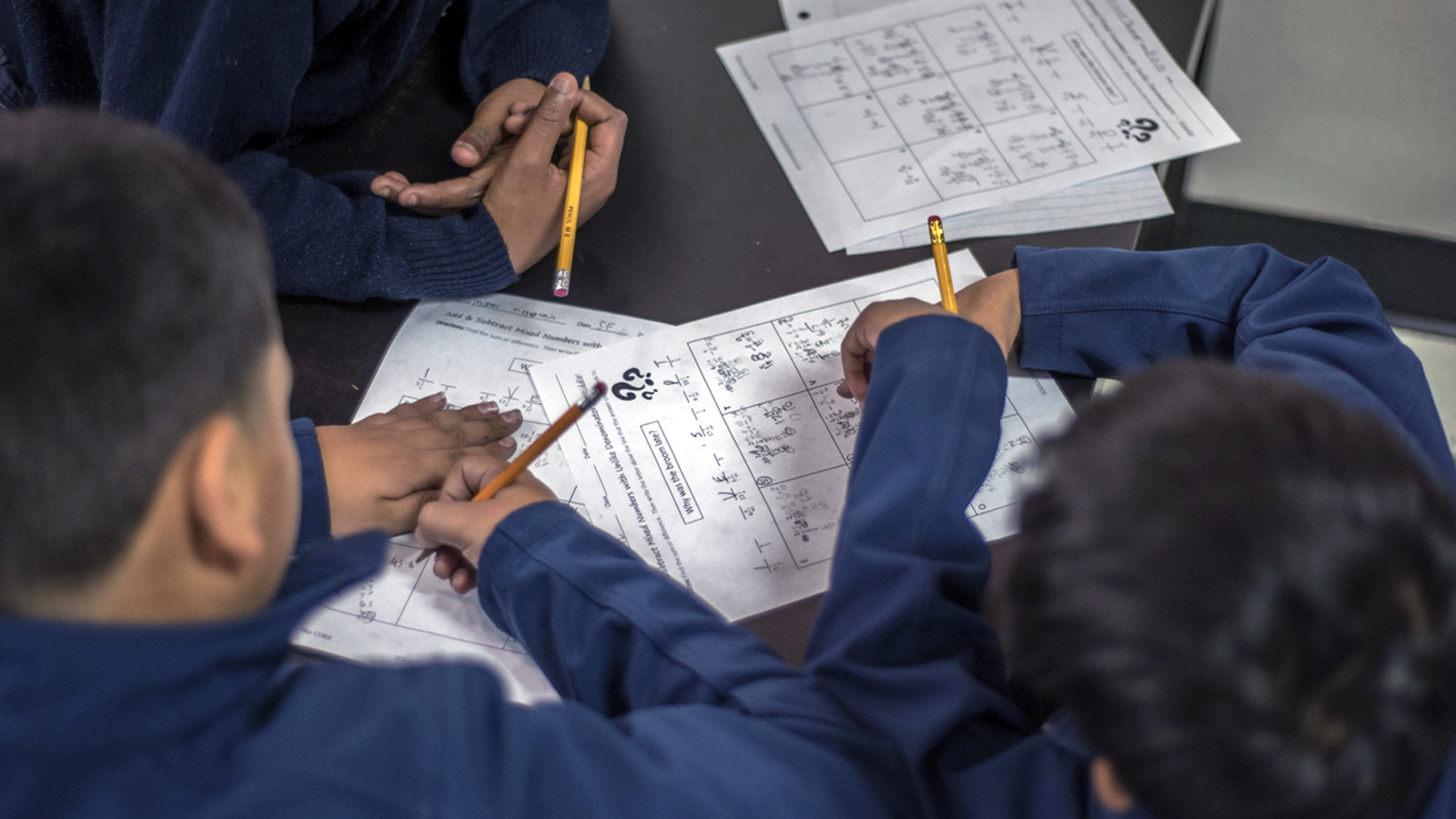
A close up shot of three students writing on worksheets. They appear to be learning division.

Too many students enter middle school behind

Many students begin middle school without strong foundational math skills. As math becomes more complex, these early gaps make it harder to keep up with grade-level content. Without timely and targeted support, students who start behind often continue to struggle in middle school. 

Over time, this makes it harder to catch up. Early gaps limit access to advanced coursework and put students at risk of falling off track for milestones like high school graduation and postsecondary success.

Instructional time and pacing are misaligned

Middle grade math moves quickly to cover required content. When pacing prioritizes coverage over learning, students might memorize steps without really understanding key concepts.

This can make it harder to apply math in new situations. Over time, this gap slows progress, weakens confidence and makes later math classes more challenging.

Limited pathways restrict opportunity

Decisions about math placement in the middle grades strongly influence which students can access Algebra I and other advanced courses. When pathways are rigid or based only on early performance, capable students are excluded from higher-level math. 

These limits reduce access to advanced coursework in high school. This can narrow students’ postsecondary options before they have a chance to fully develop their skills.

Playbook
Related Resources

Across the Network
Related Resources and Courses

Up Next Next Outcome: High School Graduation

Loading term details...

Error loading term details. Please refresh the page and try again.

Term Name