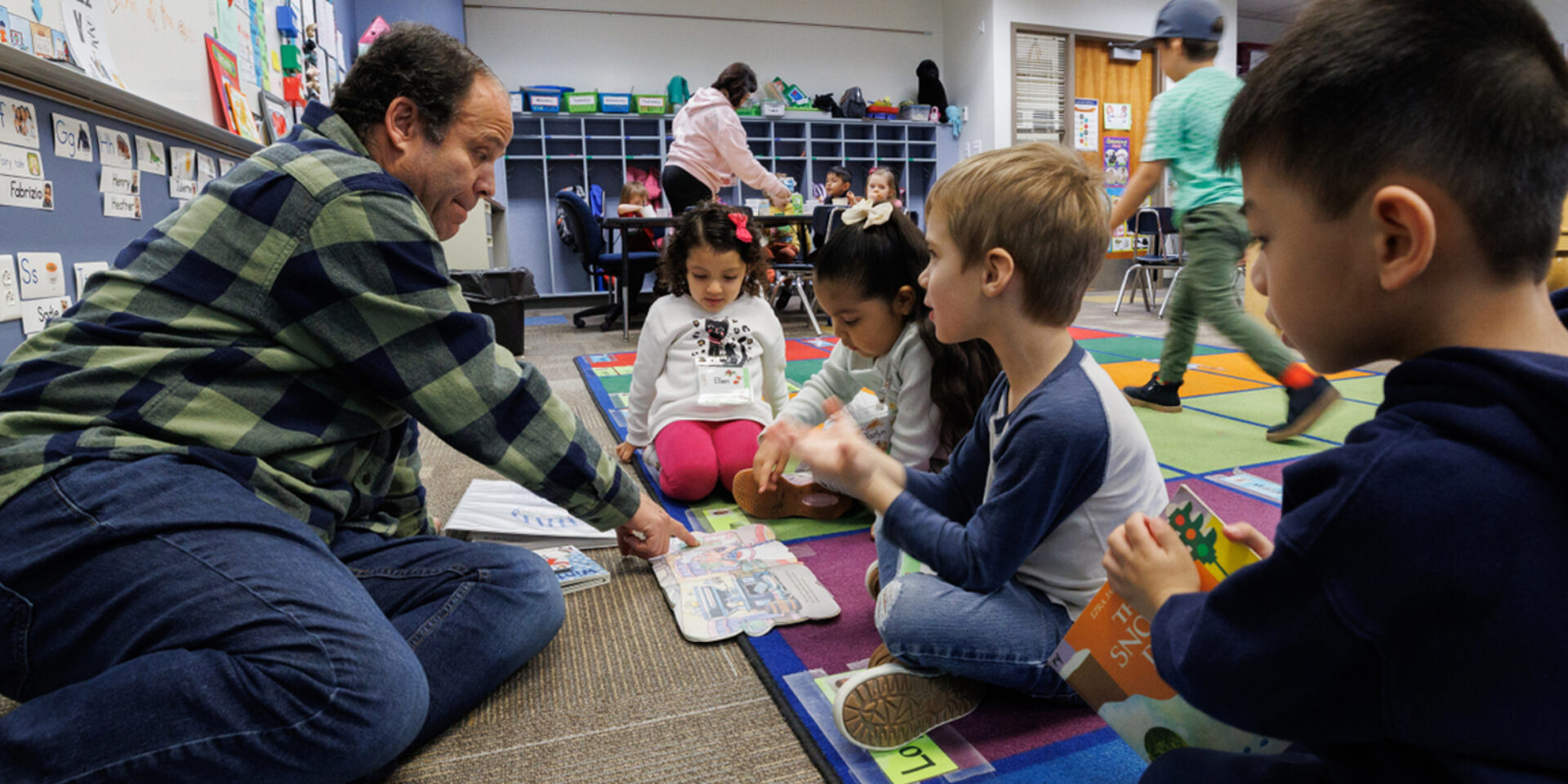
A teacher sits on the ground in front of three young children, pointing at a book laying open in front of them.

Early Grade Reading

Overview

Overview

Early grade reading marks the shift from learning to read to reading to learn, shaping how students succeed later in school.

Research and practice from across the StriveTogether Cradle to Career Network show how communitywide approaches can strengthen literacy instruction and student outcomes.

Kindergarten readiness is the prerequisite for early grade reading proficiency, and early grade literacy is the prerequisite for a well-meaning life.

Marquice Clark, principal of the Cleveland Academy of Leadership

Spartanburg, South Carolina

Learn How Spartanburg Improved Early Literacy
Marquice Clark, principal of the Cleveland Academy of Leadership, smiles at the camera.
The Challenge Why It Matters
Why It Matters

Early grade reading helps children set the stage to:
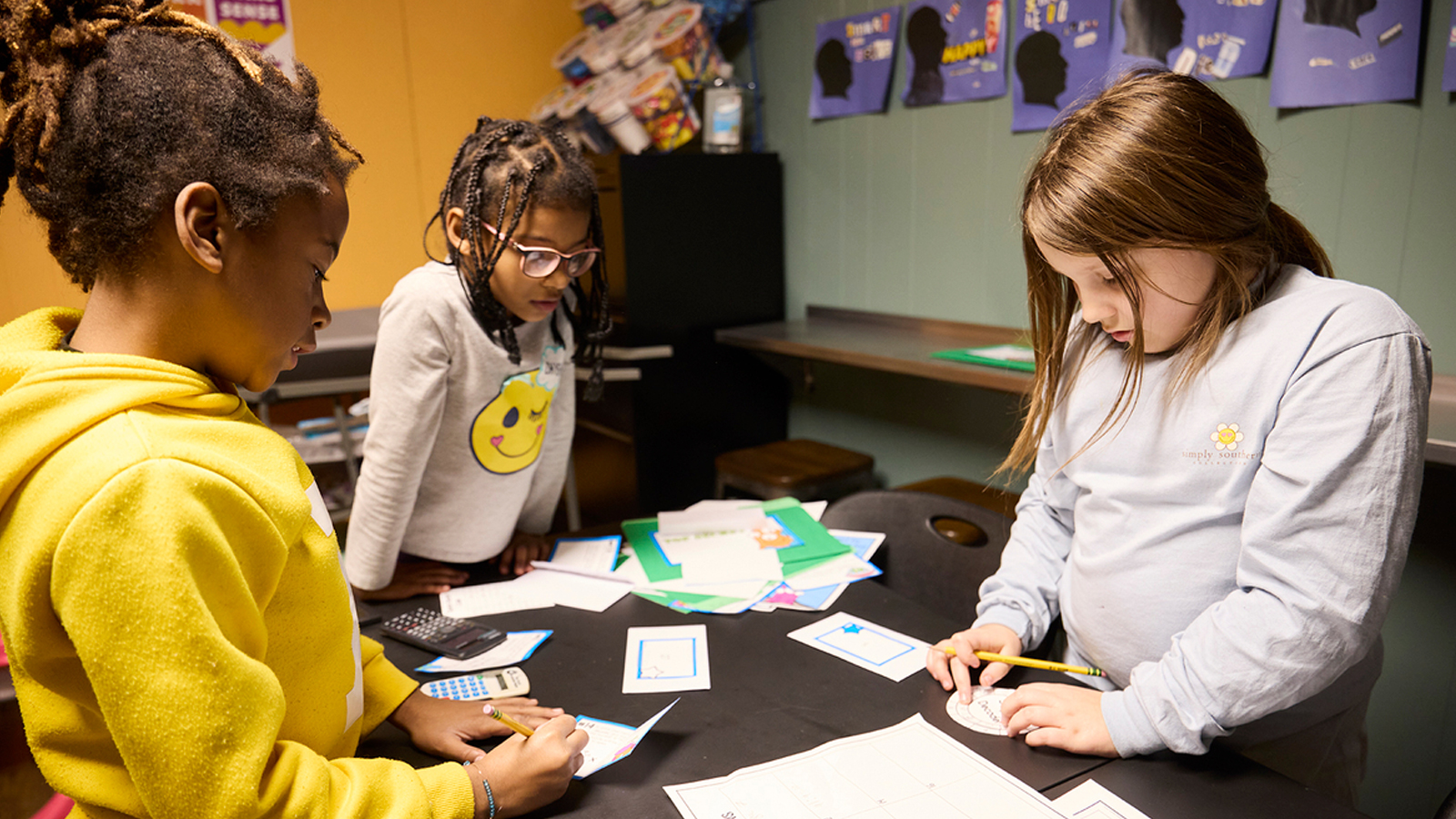
A group of young students stand around a table working on a project together.

Build strong academic foundations

Children who develop strong reading skills in the early grades are better prepared to learn across every subject. Early grade reading builds foundational skills like comprehension and vocabulary. These skills help students stay on track academically and reduce the risk of long-term learning gaps.

Strengthen language and comprehension skills

Early grade reading helps children build vocabulary, understand meaning, and make sense of texts that get more complex. As their skills grow, students can better follow instructions, express their ideas and join conversations. Strong language and comprehension skills support learning across subjects and help students participate in the classroom.

Unlock long-term opportunity

Reading proficiency in the early grades is one of the strongest predictors of academic success, high school graduation and economic mobility. National research shows that adults with limited reading skills earn about $34,000 per year, while adults with stronger reading skills earn closer to $63,000 annually (Barbara Bush Foundation for Family Literacy). 

When children struggle to read, those gaps can widen over time, limiting educational and economic opportunities. Strong early reading skills help students get on a path toward opportunity.

What Drives Change
What Drives Change

Children can be strong early readers when schools and communities invest in:
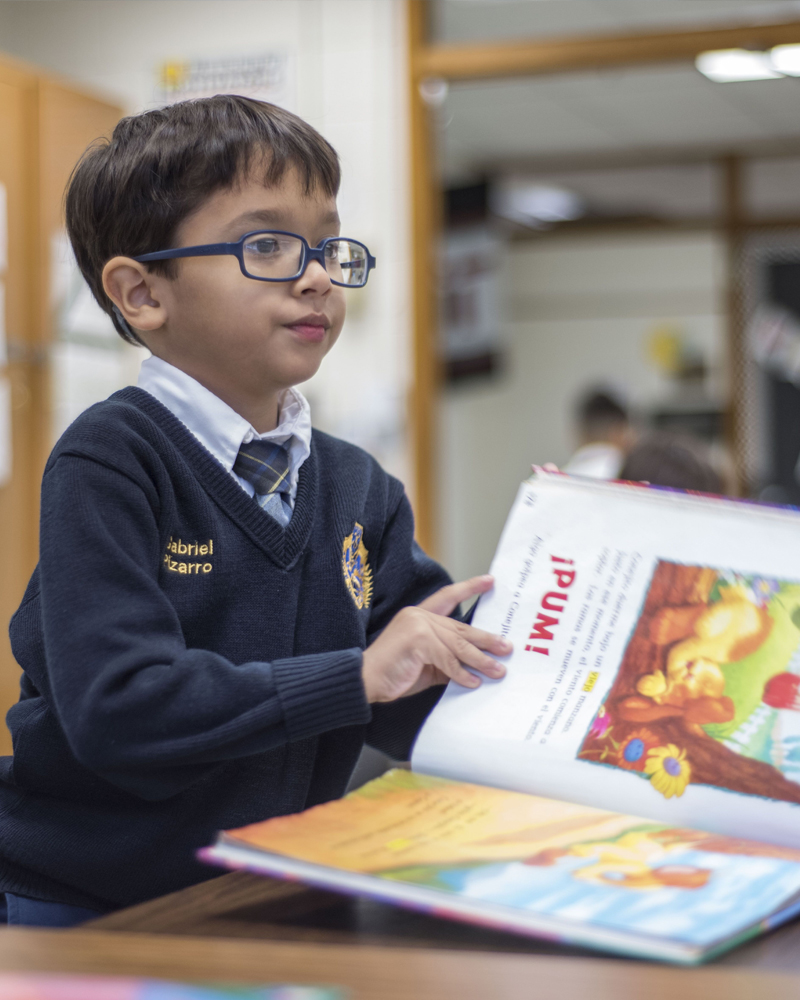
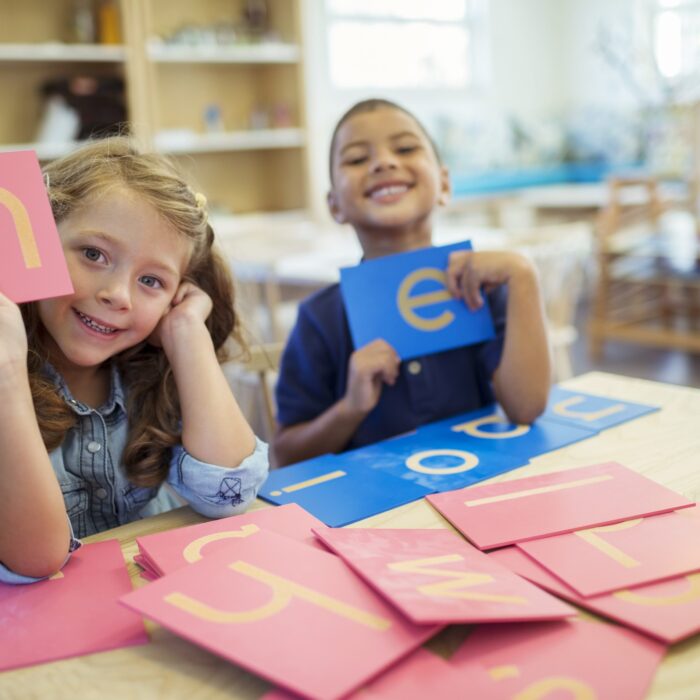
A young boy sits at a desk with a picture book open in front of him

Evidence-based literacy instruction

Communities that see strong early grade reading outcomes use literacy instruction that’s backed by research. These approaches, including the Science of Reading, help children learn how sounds connect to letters, build fluency and understand what they read. 

Using evidence-based instruction helps students build strong reading skills from the start.

Well-prepared and supported educators

Strong early grade reading depends on educators who are well prepared and supported in their work. Teachers need access to training and coaching. They also need resources and time to learn effective reading practices and use data to guide instruction. 

Ongoing professional learning helps educators understand how children learn to read. They can adjust lessons based on student needs and respond quickly when students struggle. When teachers are supported, classrooms are better equipped to meet the needs of every learner.

Early identification and targeted supports

Early screening helps schools understand how students are developing key reading skills. These check-ins show which students are on track and which may need extra support. When challenges are identified early, schools and community partners can step in before small gaps become larger barriers. 

Targeted supports like small-group instruction, tutoring or added reading time help students build skills, gain confidence and stay engaged in learning.

Aligned systems and community partnerships

When schools, families and community partners work together, children get stronger support for reading. Aligned systems help children see the same expectations and language across early learning programs, schools and out-of-school settings.

By using data and coordinating instruction and family engagement, communities reinforce reading skills wherever children learn and live. This coordination leads to stronger early grade reading outcomes and long-term success.

If our kids are not reading at grade level, they will likely find it difficult to find success in math, science or social studies.

Heidi White, director of Elementary Education for Muncie Community Schools

Muncie, Indiana
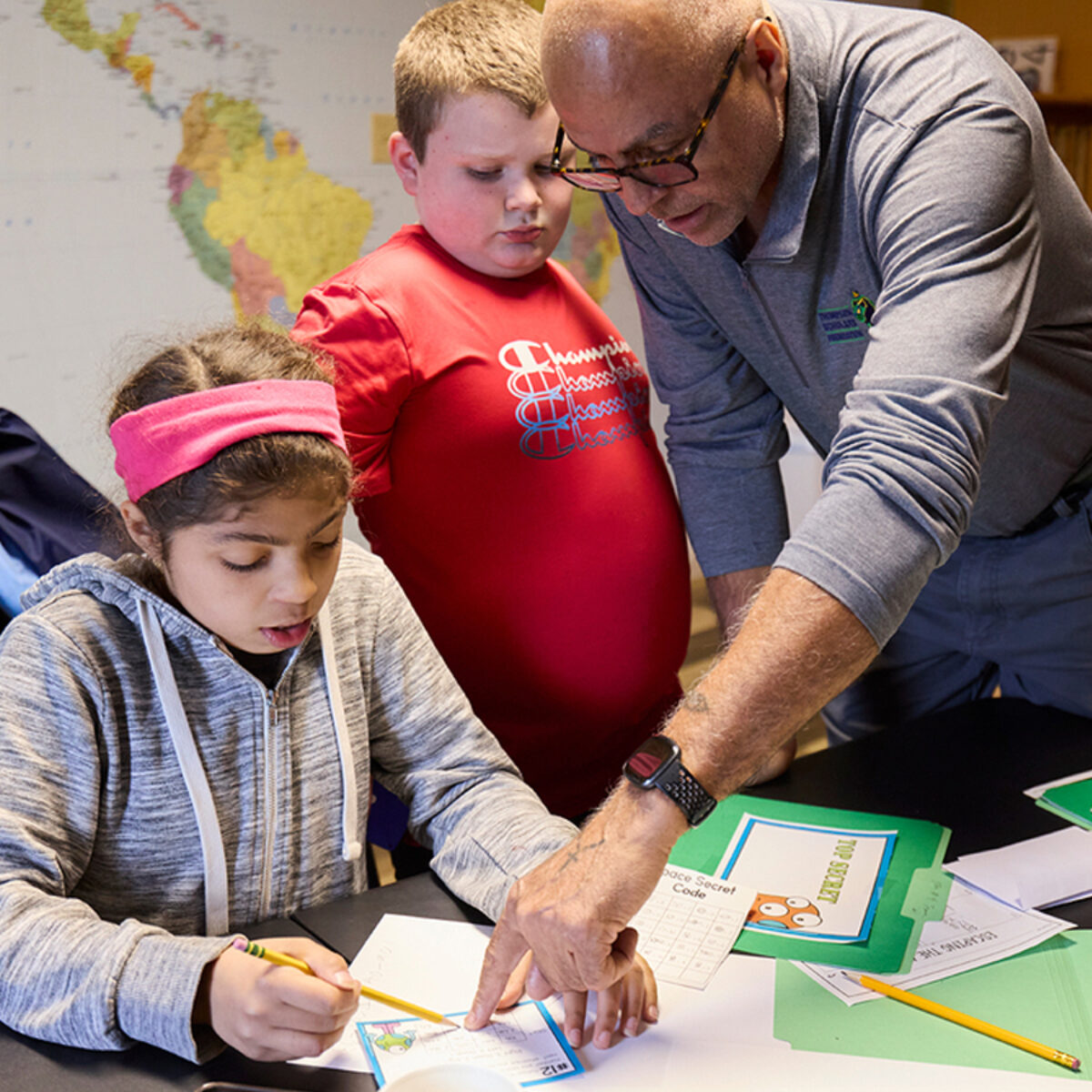
Explore Early Grade Reading in Muncie
Community Conditions
Building the Conditions for Early Reading

Strong early grade reading improves when communities use data to:
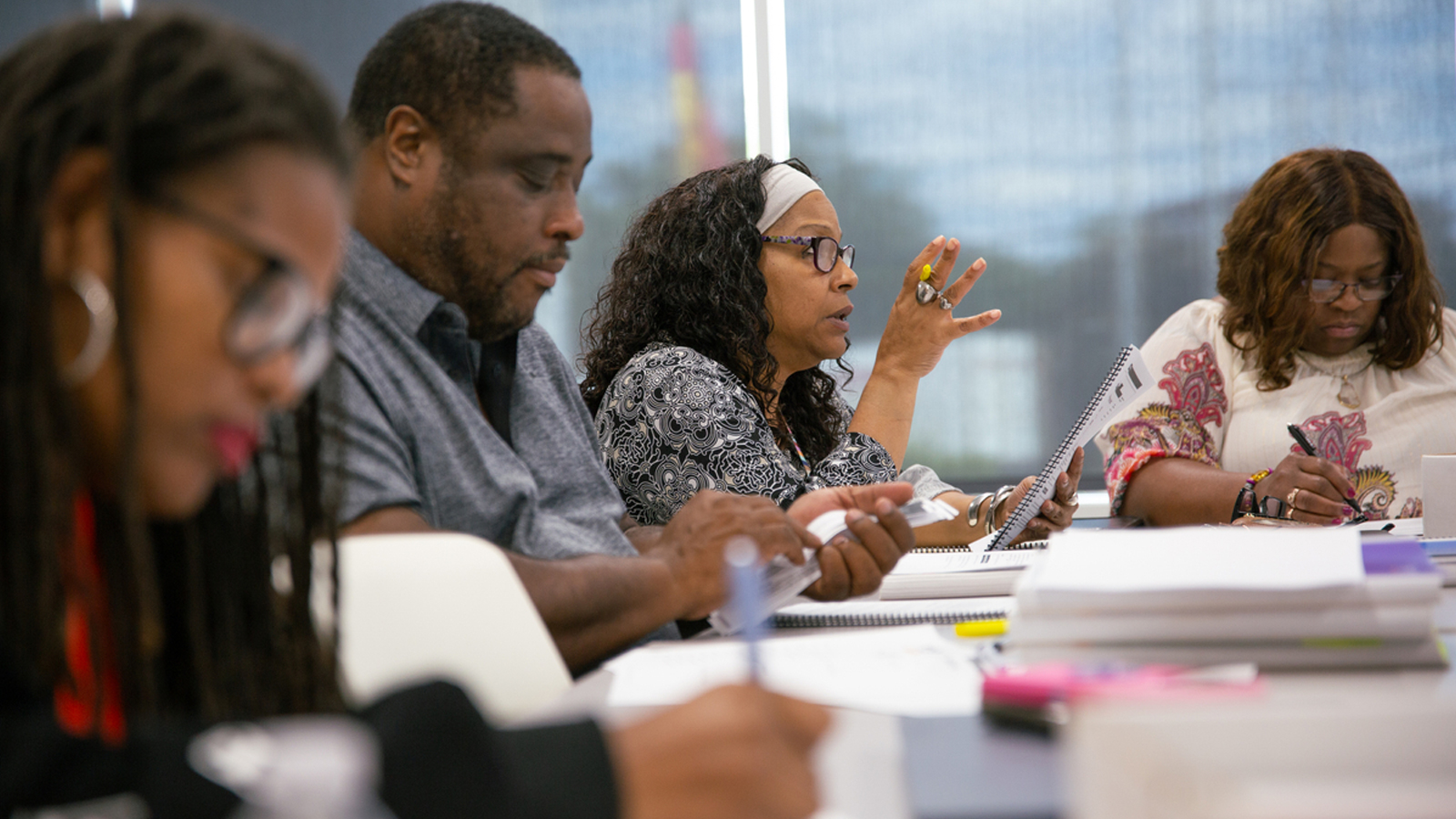
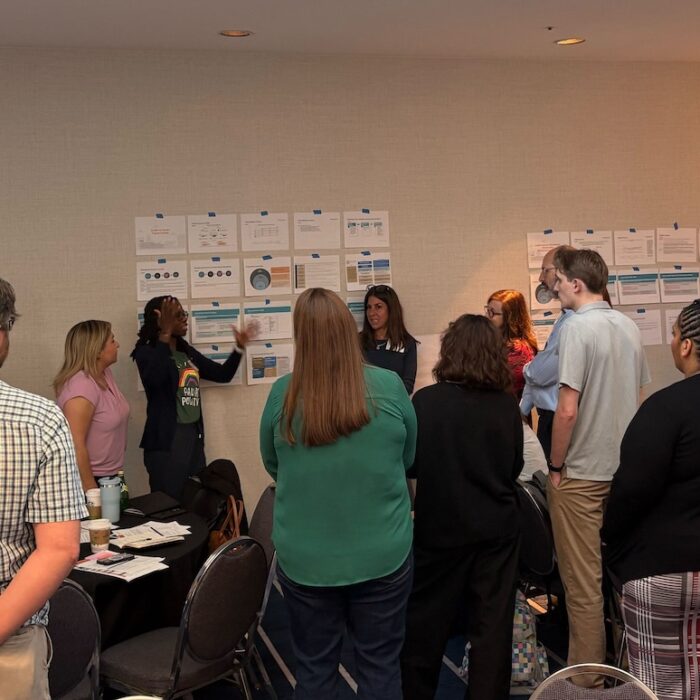
A group of people sit at rows of tables. The camera is focused on one woman who's speaking as she looks at a booklet open in front of her.

Identify reading needs early

Early screening helps schools and community partners understand how students are developing key reading skills. Screening identifies students who might need support in areas like phonics, fluency and comprehension. 

When challenges are identified early, schools can prevent gaps from growing. Using shared data lets educators and partners respond quickly with the right support.

Align supports across systems

Early grade reading improves when schools, families and community partners work together. Children learn in many places, including classrooms, early learning programs and out-of-school settings. Aligning these systems makes sure that students get consistent support no matter what environment they’re in. 

By coordinating efforts and sharing responsibility, communities can reinforce reading skills beyond the classroom. These connections create a stronger, more connected system that supports early literacy development.

Improve outcomes through continuous improvement

Communities that see progress in early grade reading use data as a tool for learning and improvement. Partners regularly review results to understand what’s working and where adjustments are needed. This process lets communities test strategies, learn from results and make changes over time. 

Continuous improvement helps strengthen effective approaches, improve coordination across partners and expand the solutions that lead to better early grade reading outcomes.

Continuing Challenges

Early grade reading progress continues, but barriers remain.
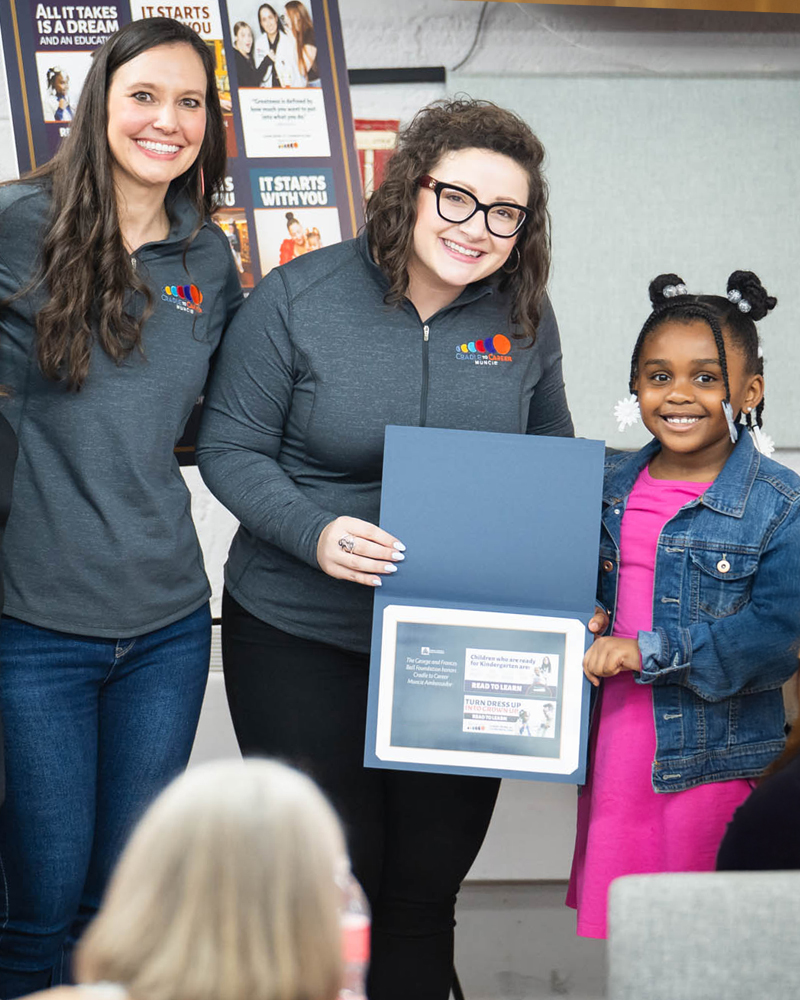
Third grade reading gaps are wide and persistent

Reading proficiency by third grade is a critical milestone and students who miss it are four times more likely to drop out of high school. Yet proficiency rates remain low, especially for students of color: 83% of Black, 80% of Latine and 86% of Native American fourth graders scored below proficient on the 2024 NAEP reading assessment. 

Without urgent intervention, these gaps compound with each passing year.

Instruction lacks research-aligned curriculum

Quality reading instruction depends on aligned curricula, trained teachers and informed school leaders working together. Without this infrastructure, instruction varies widely across classrooms and schools in communities with fewer resources face the greatest barriers. 

When implementation falls short, students miss the foundational skills they need to become proficient readers by third grade.

Reading gaps widen without early identification

Early support is far more effective than later remediation, yet many students who fall behind go unidentified for too long. Inconsistent use of screening and progress monitoring data means struggling readers miss the targeted support they need. 

Students who don’t catch up by third grade are more likely to disengage, experience exclusionary discipline and face long-term barriers to academic success.

Playbook
Related Resources

Across the Network
Related Resources and Courses

Up Next Next Outcome: Middle Grade Math

Loading term details...

Error loading term details. Please refresh the page and try again.

Term Name