Driving Early Results in Spartanburg, South Carolina
Overview
Spartanburg Academic Movement is aligning systems and partners to improve early childhood outcomes.
With only 48% of children entering kindergarten ready, the community is advancing coordinated strategies to connect families to support from pregnancy through age 5 and improve school readiness.
-
Cross-sector alignment drives early progress
Schools, health providers, nonprofits and local leaders are coordinating efforts to improve early childhood outcomes across Spartanburg.
-
Expanded supports for families from the start
More than 400 parents have been connected to services like home visiting, doula care and early childhood resources from pregnancy through age 5.
-
Early learning strategies show measurable gains
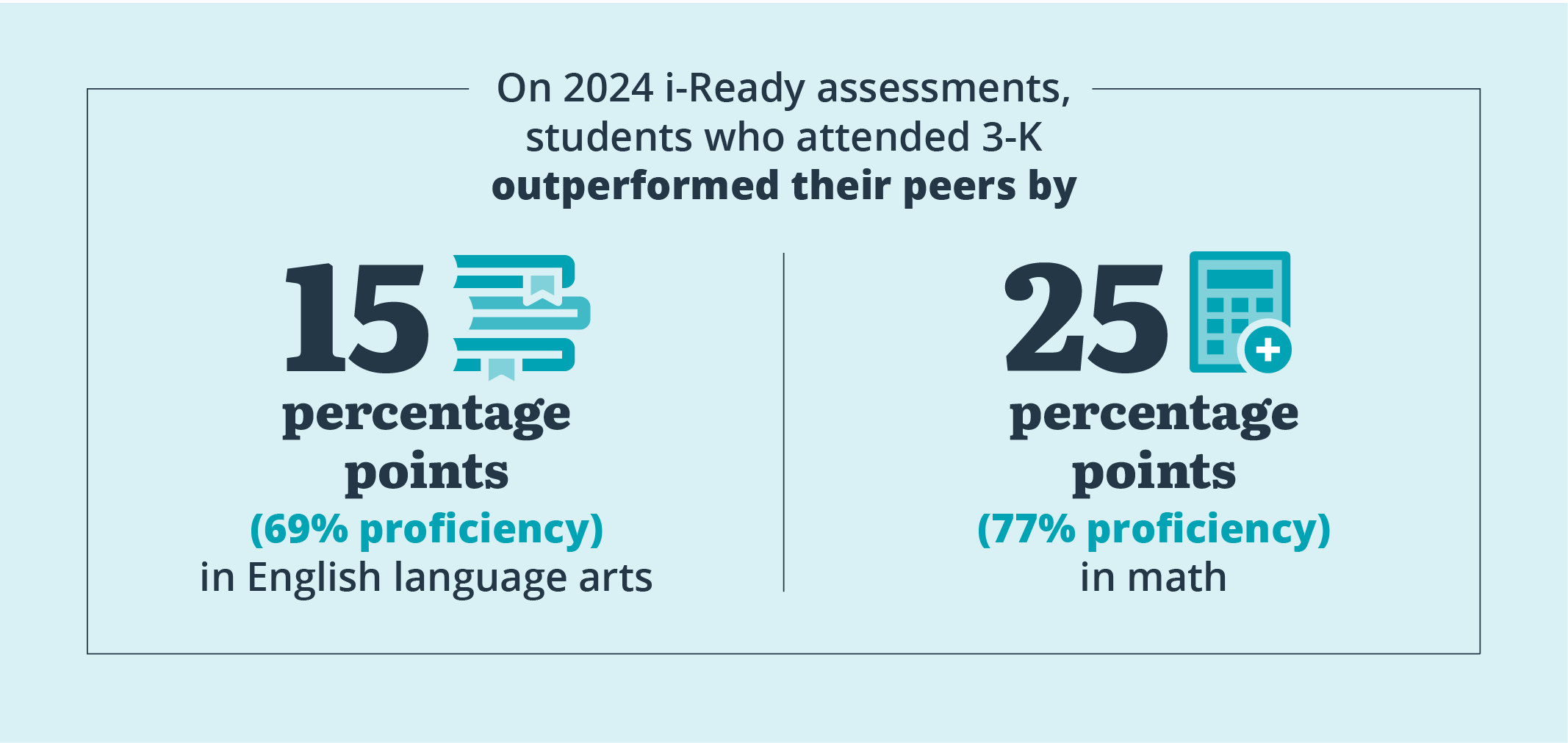
Children who participate in 3-K programs are outperforming peers by 15-25%, demonstrating the impact of aligned, communitywide investments.
National Background
Early childhood outcomes shape the trajectory of lifelong success. When children start kindergarten ready to learn, they are more likely to read proficiently by third grade — a milestone that predicts high school graduation, postsecondary attainment and long-term health. Communities that invest early, from prenatal care through age 8, lay the groundwork for thriving families and stronger economies.
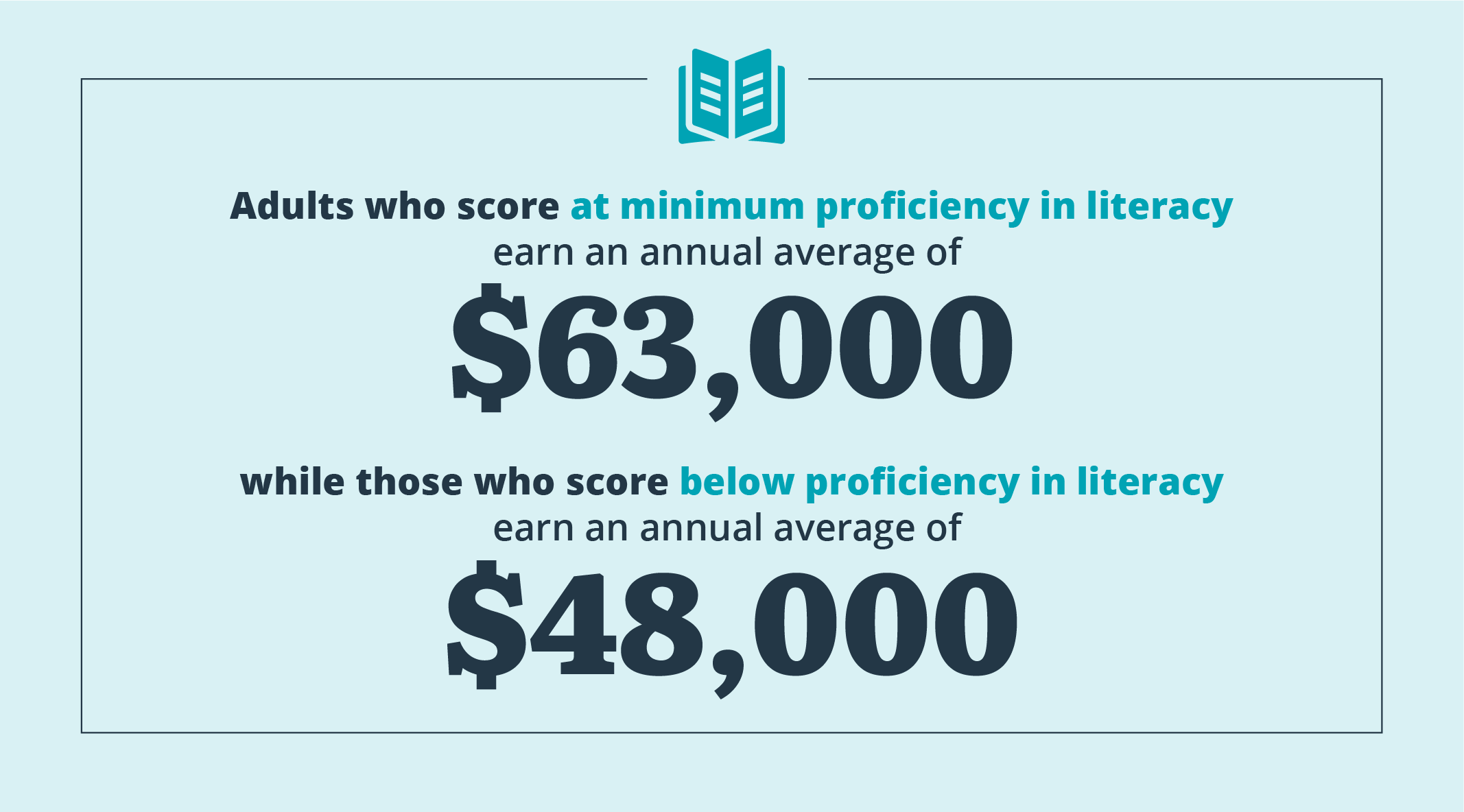
The importance of early-grade reading extends far beyond classrooms. Adults who score at minimum proficiency in literacy earn an average of $63,000 annually, while those below proficiency earn just $48,000. A longitudinal study by the Annie E. Casey Foundation found that students reading at or above grade level in third grade graduate from high school and attend college at higher rates than peers who fall behind.
Children who are not reading proficiently by the end of third grade are four times more likely to leave high school without a diploma, and for children from low-income families, that risk rises to thirteen times higher. These outcomes show that early literacy is not just an education issue but an economic one that shapes opportunity for entire communities.
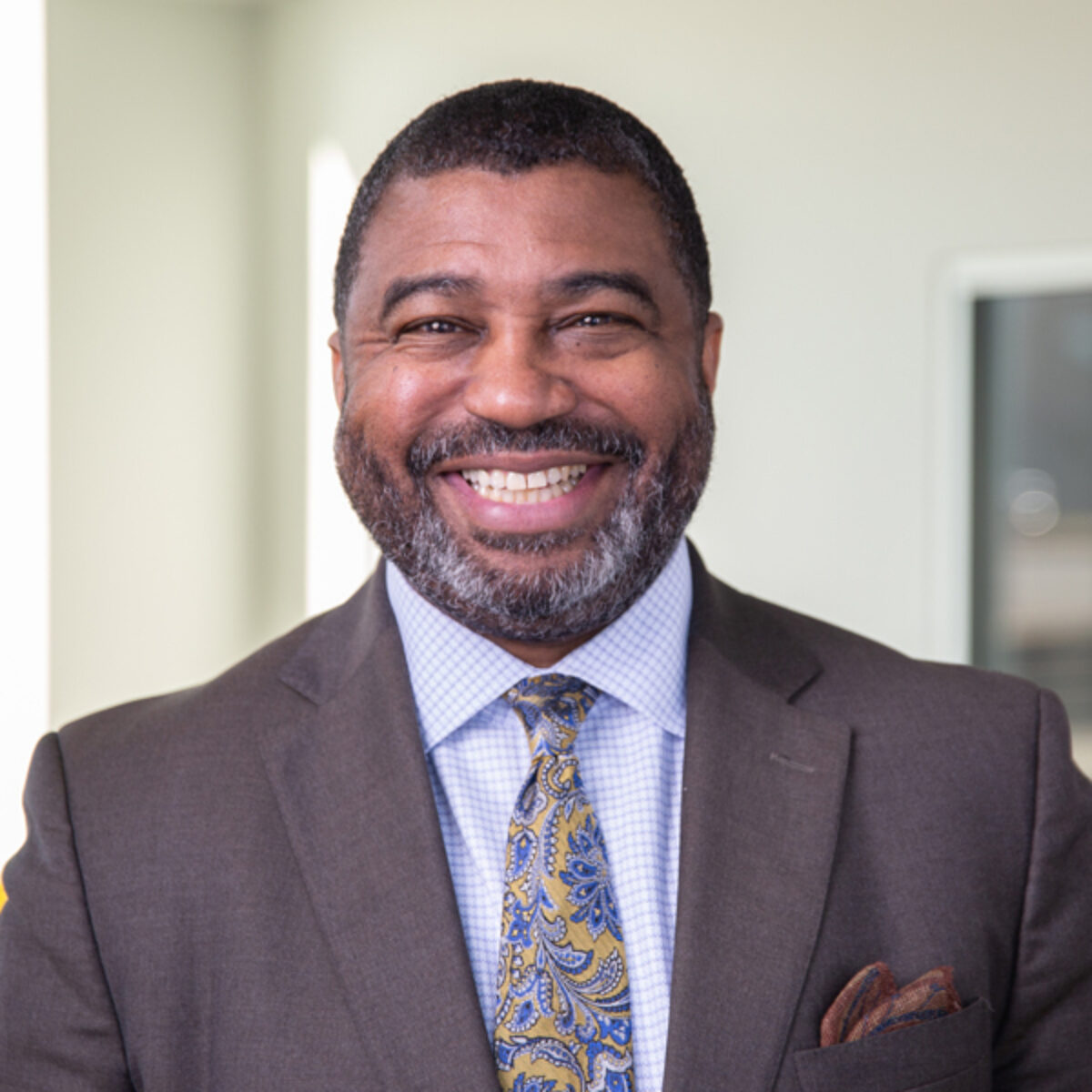
When we think about economic mobility, it begins with early outcomes. That’s where we set the foundation.
Dr. Russell Booker, chief executive officer of Spartanburg Academic Movement
Spartanburg, South Carolina
Local Context
In Spartanburg, South Carolina, the Spartanburg Academic Movement (SAM) is proving what’s possible when a community takes a place-based approach to early outcomes. Place-based partnerships bring together schools, nonprofits, health providers and local government to align systems, data and resources around shared results.
“Our mission is simple,” said Dr. Russell Booker, SAM’s CEO. “We want to ensure that children in Spartanburg have academic and life success. And we do that by convening our partners, aligning resources and really driving opportunity in service of children and families across our community.”
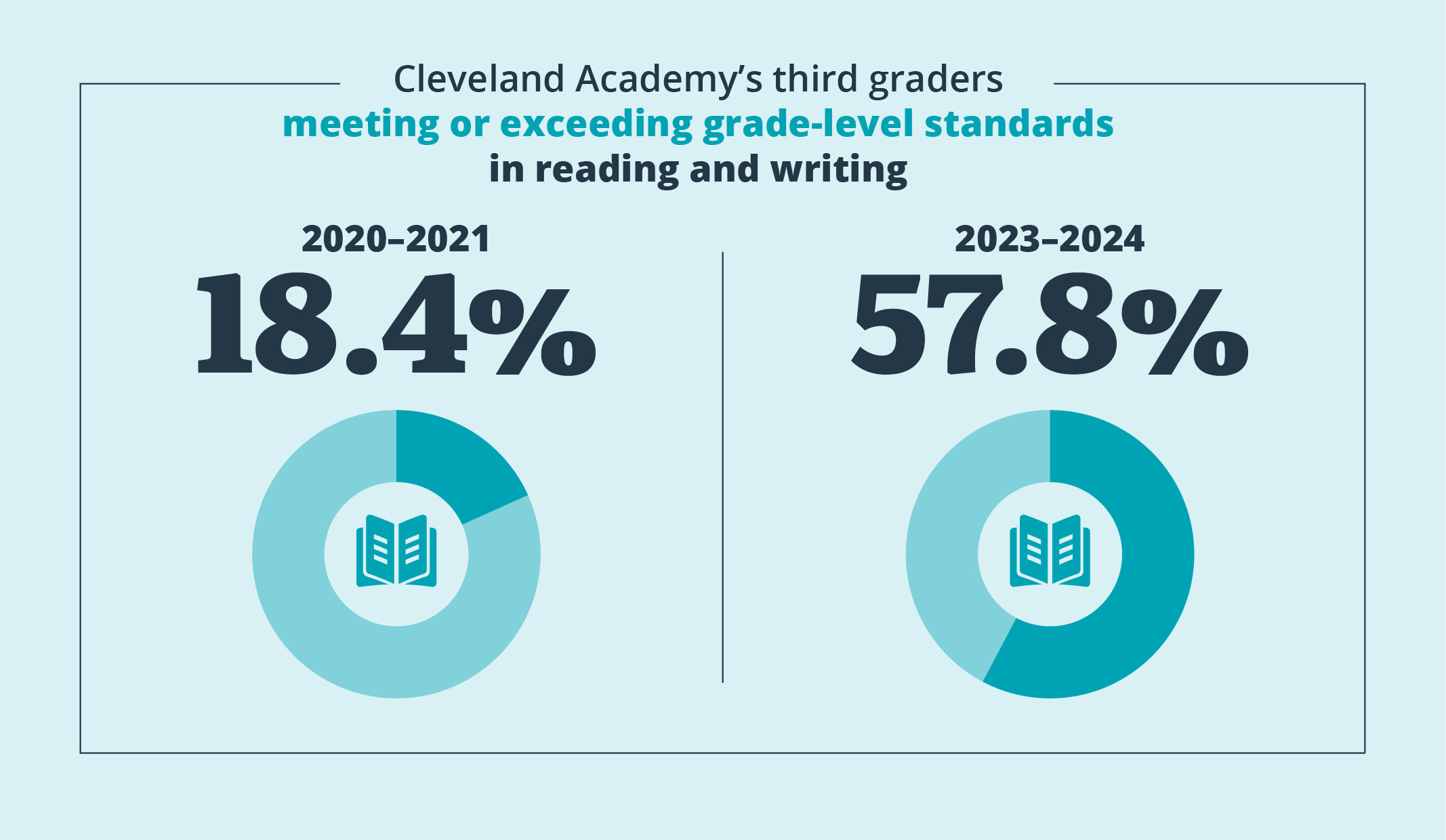
That mission carries urgency. In neighborhoods served by the Cleveland Academy of Leadership, 92% of students live in poverty and 77% experience transiency. “Our kids face challenges that extend beyond the classroom,” said Principal Marquice Clark. “We have to address those barriers holistically.”
In more rural parts of Spartanburg County, such as District 3, families face a different challenge: access. “Some of our parents drive half an hour just to find care,” said Windy Hodge, chief academic officer for District 3. “That’s a real burden for families who are already stretched thin.”
The data reveal the stakes. Only 48% of Spartanburg’s children enter kindergarten ready to learn. For Dr. Booker, that statistic defines the work ahead: “When we think about economic mobility, it begins with early outcomes. That’s where we set the foundation.”
Connecting Vision, Systems and Results
As a place-based partnership, SAM brings together partners across education, health care, business, housing and local government around shared outcomes for children and families. Through Movement 2030, SAM has mobilized more than $100 million in collective investments for early childhood and postsecondary success, fueling classroom expansions, teacher development and family-centered initiatives like Hello Family. By aligning resources and accountability across sectors, SAM ensures that progress in one area strengthens the entire cradle-to-career continuum.
That work is supported by a broader national network. As part of the StriveTogether Cradle to Career Network, SAM benefits from shared learning and a proven framework for results. “The StriveTogether Theory of Action™ gave us a structure for aligning civic infrastructure and achieving proof points,” said Dr. Booker. “It helped us understand not just what to measure but how to sustain progress across systems.”
Through this network, Spartanburg leaders collaborate with peers across the country to exchange strategies and lessons that accelerate local innovation and build national capacity for results-driven change.“Having this network of partners to help us know how to do this work has been critical,” said Dr. Booker. “The Theory of Action showed us what to measure and how to move forward from cradle to career. It’s shaped our journey and our success.” As Spartanburg continues to learn and adapt, this shared framework and national connection are guiding the community’s next phase.
Our mission is simple: We want to ensure that children in Spartanburg have academic and life success. And we do that by convening our partners, aligning resources and really driving opportunity in service of children and families across our community.
Dr. Russell Booker, chief executive officer of Spartanburg Academic Movement
Spartanburg, South Carolina
Strategy and Impact
Coordinated Strategies for Early Success
Spartanburg’s early success story isn’t the result of a single program. It’s the product of connected systems working together. From coordinated family support, to expanded 3-K classrooms, to data-driven instruction in schools, each strategy reinforces the next. Together, these efforts are moving the needle on kindergarten readiness, early literacy and long-term opportunity for every child in the community.
My hope for my kids is to thrive. To be good people, to learn to the best of their ability and to love learning. I just want them to enjoy school and feel prepared for life.
Sally Bridges, Hello Family participant and mother of six
Spartanburg, South Carolina
Future Vision
Spartanburg’s early childhood movement continues to grow. The most recent Early Development Instrument (EDI) data are giving SAM and its partners a clearer picture of how young children are developing across neighborhoods. These data now serve as a community benchmark for school readiness — helping partners identify where supports are most needed, align resources and track progress over time. The findings are guiding local decision-making for the coming years, ensuring that early learning investments are responsive to families and grounded in real results.
Building on these insights, districts are expanding early learning access by adding classrooms and training staff. “We’re not stopping with teachers,” said Hodge. “We’re training administrators and even non-instructional staff so that improvement is embedded across the system.”
For Dr. Booker, the next phase of work focuses on awareness, access and quality. “90% of brain development happens before age 5,” he said. “We’re focused on helping families and the community understand how critical those early experiences are.”
Booker emphasized three priorities: expanding access to early learning, improving quality of care and ensuring families understand the importance of early development. “There are still parts of our county that are child care deserts,” he said. “We’re working to fill those gaps so every family, in every neighborhood, can find the quality care their child deserves.”
This next phase also centers on sustainability — ensuring programs like Hello Family and 3-K become long-term pillars of Spartanburg’s strategy. SAM and its partners are securing funding, integrating data systems and advocating for policies that sustain early childhood gains. “We bring together everyone who touches a child’s life — from the school system to the hospital system to our city government,” said Dr. Booker. “We look at where the gaps are, set priorities and move forward together.” The goal remains clear: every child in Spartanburg should have access to high-quality early learning, strong family supports and opportunities to thrive.
Spartanburg’s story is one of persistence, partnership and purpose. Over the past decade, the community has built the civic infrastructure needed to drive long-term change. Through SAM, partners are demonstrating what’s possible when a community takes ownership of its future and works collectively to improve outcomes from cradle to career.
At the heart of this work is a place-based partnership that turns collaboration into results. Rather than launching isolated initiatives, SAM and its partners have built systems that connect early learning, family supports and community resources. Using shared data and continuous improvement, partners make informed decisions that reflect families’ needs and expand opportunity across neighborhoods. The result is a more connected and resilient community.
While there is still more work ahead, Spartanburg’s progress offers an example of what collective impact can achieve. Families are better connected to supports, teachers are using data to strengthen instruction and local leaders are expanding access to quality early learning. “We are not just changing schools,” said Dr. Booker. “We are changing systems, and ultimately, changing lives.” Spartanburg’s story shows that when communities align around shared goals and use data to drive decisions, they can achieve lasting change, helping every child thrive from the very beginning.
More Stories of Impact
Stronger Future Spotlight: Crayons and Culture in Baltimore