A parent hugs their student who's wearing a cap and gown and holding a diploma.

High School Graduation

Overview

Overview

Earning a high school diploma opens doors to postsecondary education, career opportunities and long-term economic stability.

Communities play a critical role in helping students stay engaged, earn credits and graduate ready for what comes next. StriveTogether works with communities nationwide to use data, align systems and strengthen pathways that support on-time graduation for every student.

High school graduation is critical for kids’ future economic success, but it’s not the destination.

Bill Crim, CEO of United Way of Salt Lake

Salt Lake City, Utah

Explore the Partnership’s Impact
Bill Crim, CEO of Cradle to Career Network member United Way of Salt Lake smiles at the camera.
The Challenge Why It Matters
Why It Matters

Students who graduate from high school are more likely to:

A group of high school graduates wearing caps and gowns smile at the camera with their family and friends.

Access postsecondary opportunities

High school graduation is a critical gateway to postsecondary education and training. A diploma is required for enrollment in most colleges, technical programs, apprenticeships and credential pathways.

Students who graduate on time are far more likely to continue their education after high school, while those without a diploma face limited options. Graduation expands access to advanced coursework, financial aid and career-aligned pathways that lead to long-term opportunity.

Earn higher wages and employment opportunities

Completing high school brings clear economic benefits. In 2021, the unemployment rate for people without a high school diploma was 8.3%, compared to 6.2% for high school graduates (U.S. Bureau of Labor Statistics). Graduates also earn higher wages than non-graduates, including those with GEDs.

Research shows that a high school diploma leads to higher earnings across adulthood. In 2024, adults with a high school diploma earned roughly $48,000 per year, compared to about $38,000 for those without one (U.S. Bureau of Labor Statistics).

Benefit from systems that support success

High school graduation rates show how well schools and communities are supporting students over time. These outcomes are commonly measured using the adjusted cohort graduation rate (ACGR), which tracks the percentage of students who earn a high school diploma within four years of starting ninth grade. When students graduate on time, it signals that systems are helping them stay engaged, earn required credits and plan for what comes next.

Persistent gaps in graduation rates highlight where supports aren’t reaching students consistently. These gaps show us where better alignment across schools, services and pathways can help more young people succeed.

What Drives Change
What Drives Change

High school graduation rates improve when the right conditions are created through…

A high school graduate smiles at the camera. She's wearing a red cap and gown.

Early identification and timely support

Students are more likely to graduate when schools identify challenges early and respond quickly. Monitoring attendance, behavior and class performance helps educators see when students are at risk of falling off track.

When schools act early with targeted academic and social support, students are more likely to stay engaged, earn credits and graduate.

Clear pathways to earn required credits

Staying on pace with credits is essential for on-time graduation. Students do better when schools offer clear course pathways, flexible scheduling, and options to recover credits if they need to.

When students understand graduation requirements and have support to meet them, they can finish high school ready for what comes next.

Aligned guidance and postsecondary planning

Graduation rates improve when students get consistent guidance and planning support during high school. Advising, mentoring and exposure to postsecondary options help students see why it’s important to stay engaged and finish school.

When schools and partners align around future planning, students are more motivated to persist. They graduate prepared for college, training or their career.

Continuing Challenges

Graduation remains out of reach for many students without support.
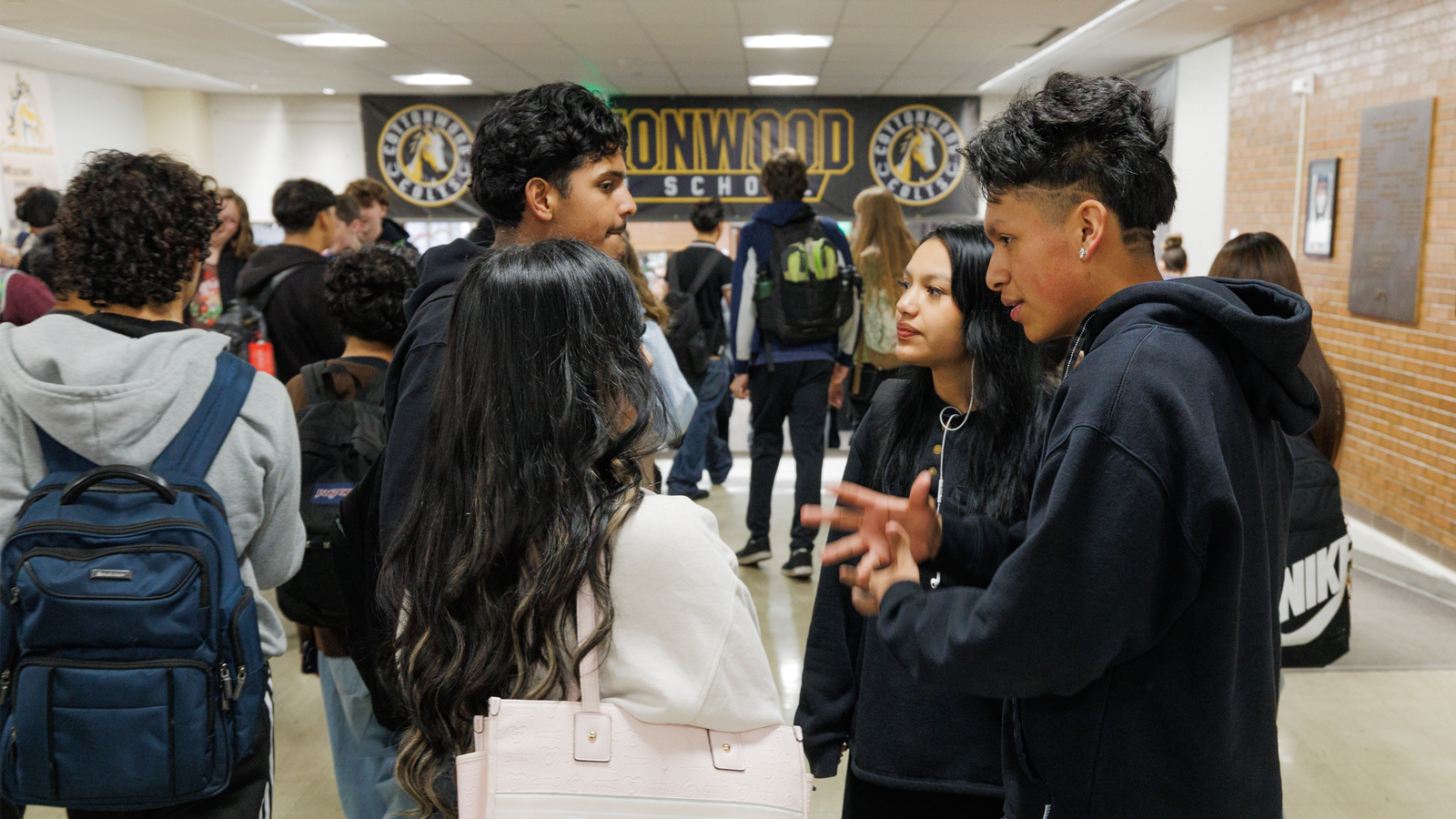
A group of high school students are talking to each other in the school hallway.

Ninth grade remains a major transition point

The transition into high school is one of the most critical moments for students. Academic expectations increase, school environments become bigger and support structures can change.

Many students have a hard time adjusting during ninth grade. Early challenges can set patterns that continue throughout high school. When students fall behind during this transition, it gets harder to regain momentum toward graduation.

Disconnection leads to disengagement

Students are more likely to persist in high school when they see how learning connects to their interests and goals. When classwork feels disconnected from real-world opportunities or life after graduation, motivation can decline.

This lack of relevance can contribute to disengagement over time, increasing the risk that students lose interest in school before graduating.

Not all students have strong adult relationships

Strong relationships with trusted adults keep students engaged through high school. But many students lack consistent connections with teachers, counselors or mentors who know them well.

Without strong relationships, students can feel unsupported or disconnected, making it harder to navigate challenges and reach graduation.

Playbook
Related Resources

Across the Network
Related Resources and Courses
Up Next Next Outcome: Postsecondary Enrollment

Loading term details...

Error loading term details. Please refresh the page and try again.

Term Name