
Advocating for Transformative Early Childhood Wins in Wisconsin and Connecticut
Overview
In 2025, place-based partnerships in Wisconsin and Connecticut secured historic wins for early childhood, proving coalition-building, data-driven advocacy and community engagement can move policy.
In Wisconsin, a $330 million budget investment was the largest early childhood commitment in state history. In Connecticut, landmark legislation positioned the state as a national leader in child care affordability, workforce stability and access. Both victories were built from the ground up.
-
Coalitions turn local voices into policy wins
Years of trust-building and unified advocacy across communities, providers and lawmakers created the conditions for early childhood reform.
-
Historic investments expand access for families
Wisconsin’s budget commitment and Connecticut’s landmark legislation are creating more access and stronger wages.
-
A blueprint for early childhood reform
Place-based partnerships align local insight with statewide strategy. Wisconsin and Connecticut offer a roadmap for communities nationwide.
National Background
Life success begins long before a child walks into their first classroom. From birth to age 5, children’s earliest experiences are the foundation for learning, well-being and long-term opportunity. Kindergarten readiness shows whether young children have had the environments, supports and opportunities they need to thrive.
Yet too many children arrive at kindergarten without the foundation they need. Kindergarten readiness remains uneven across the country, shaped by early conditions that either support or constrain a child’s development.
Access to early learning varies widely. For example, access to publicly funded pre-K remains limited nationwide. More than 80% of 3-year-olds and over half of 4-year-olds are not enrolled in publicly funded pre-K programs. Many families participate in private or community-based programs, and roughly two-thirds of 3- and 4-year-olds nationally are enrolled in some form of formal early learning. Even so, access and quality still depend heavily on where a child lives, and these gaps show up long before kindergarten.
When we shift policies to center young people, we create greater economic mobility for our communities. Policy is a powerful lever of change.
Josh Davis, vice president of policy and partnerships at StriveTogether

Local Context
In 2025, two states in the StriveTogether Cradle to Career Network, Wisconsin and Connecticut, redefined what’s possible for early childhood policy. Each secured investments that will expand access to care, strengthen the educator workforce and build long-term systems that support children’s success from birth through school and into adulthood.
These changes were driven by local partnerships. In Connecticut, the Connecticut Cradle to Career Coalition — including Bridgeport Prospers, Danbury Collective, Norwalk ACTS, Stamford Cradle to Career and Waterbury Bridge to Success — aligned strategies to advocate for statewide reform. In Wisconsin, the Wisconsin Partnership, made up of four Cradle to Career Network members — Milwaukee Succeeds, Higher Expectations for Racine County, Building Our Future and Achieve Brown County — joined forces to push for historic investments in child care and literacy.
The timing could not be more urgent. Across the United States, families face steep challenges in accessing affordable, high-quality child care. The average cost of center-based care is more than $13,000 per year for one child, nearly 10% of household income for married couples and up to 35% for single parents. More than half of Americans live in child care deserts, where children outnumber available slots three to one. At the same time, over half of child care providers report staffing shortages that limit capacity. Without significant investment and reform, too many families remain unable to access the care they need, and children lose opportunities to thrive.
Wisconsin and Connecticut took bold action to address these challenges. While their contexts differed, both stories share a common thread: place-based partnerships, data-driven advocacy and years of groundwork created the conditions for statewide transformation.
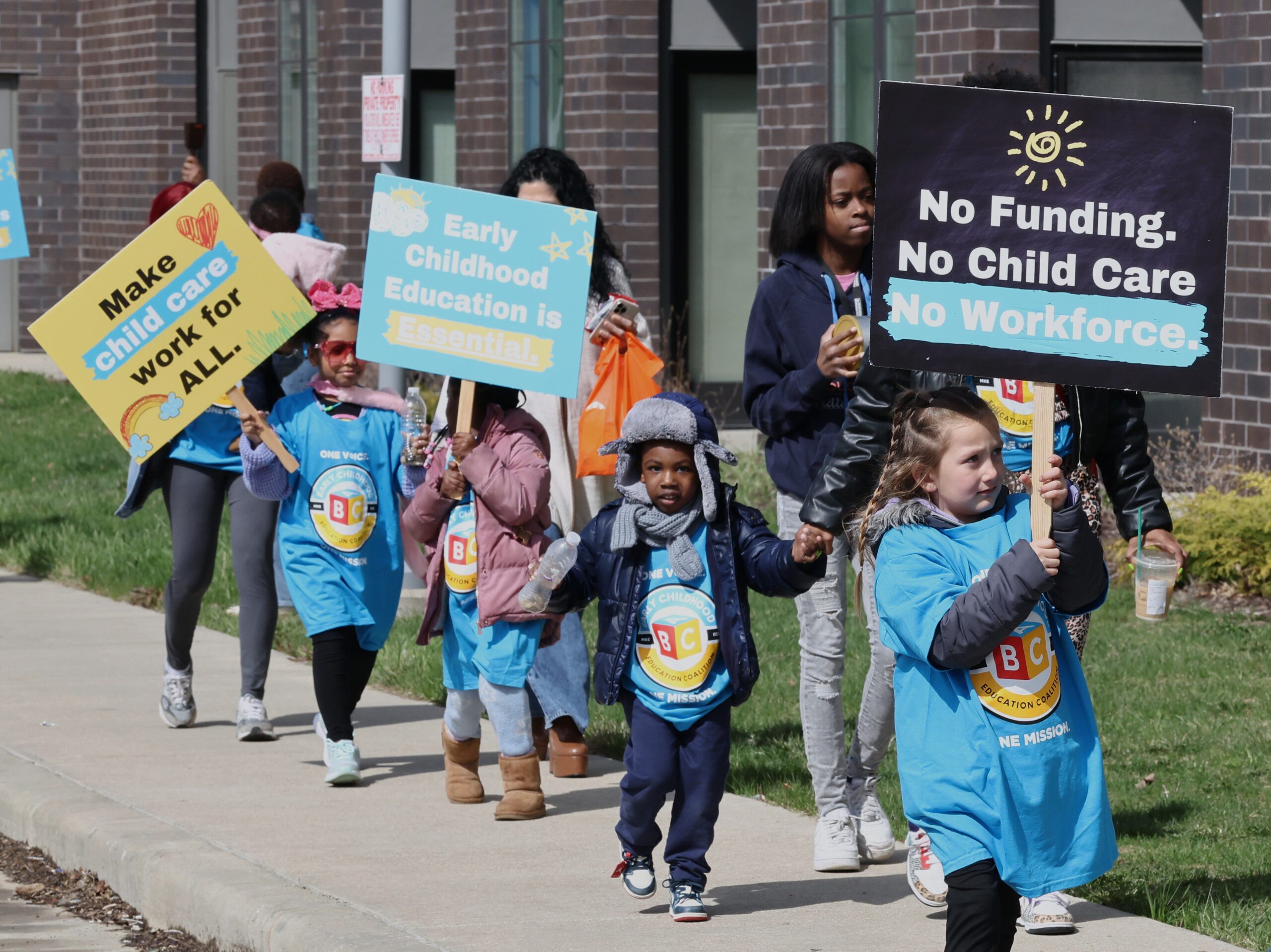
Wisconsin’s pro-kid budget
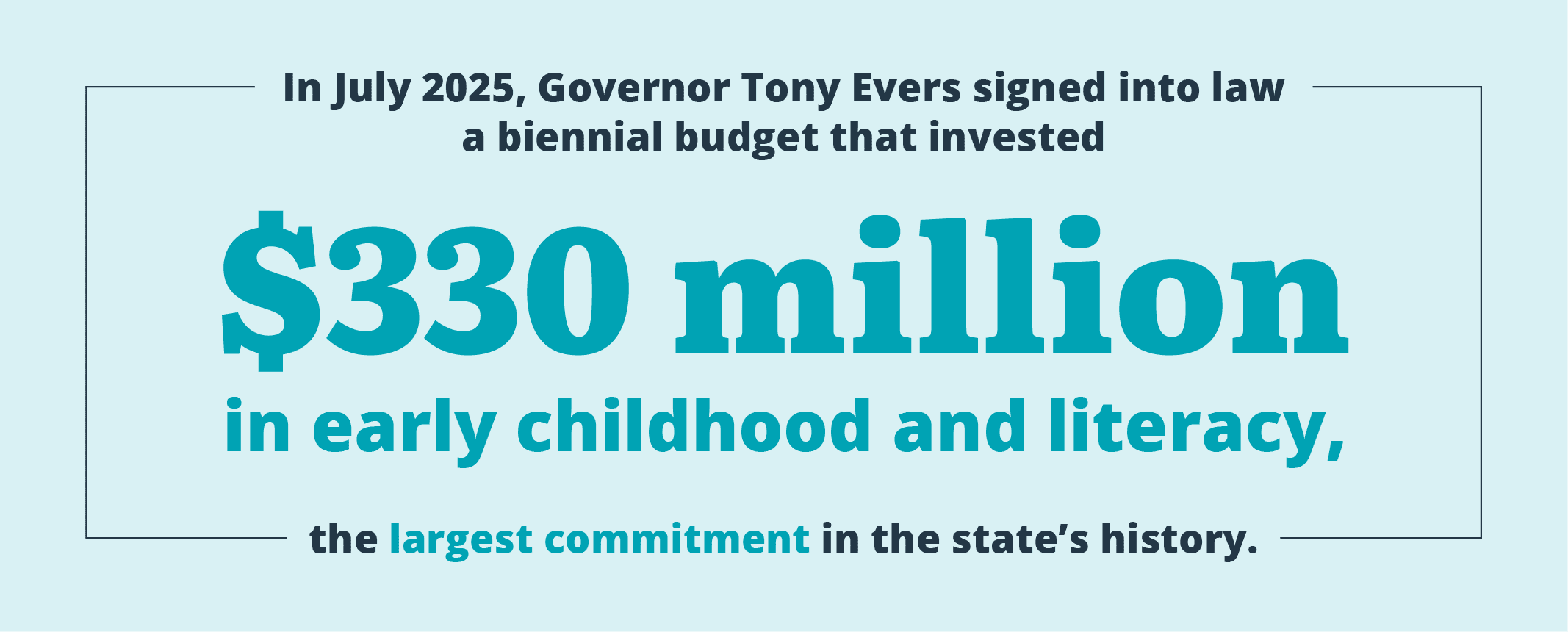
In July 2025, Governor Tony Evers signed into law a biennial budget that invested $330 million in early childhood and literacy, the largest commitment in the state’s history. The budget included $110 million in direct payments to providers, $123 million to increase Wisconsin Shares reimbursement rates, $66 million for the Get Kids Ready initiative, and $28.6 million for an infant and toddler access pilot.
An additional $50 million for Act 20 literacy implementation — originally allocated in the prior budget cycle — was released just before the start of the new biennium. That funding had been at risk of reverting to the state’s general fund without action. Advocacy from the Wisconsin Partnership and allies ensured those resources reached schools, making the total impact of this budget cycle $330 million when including both new and safeguarded funds.
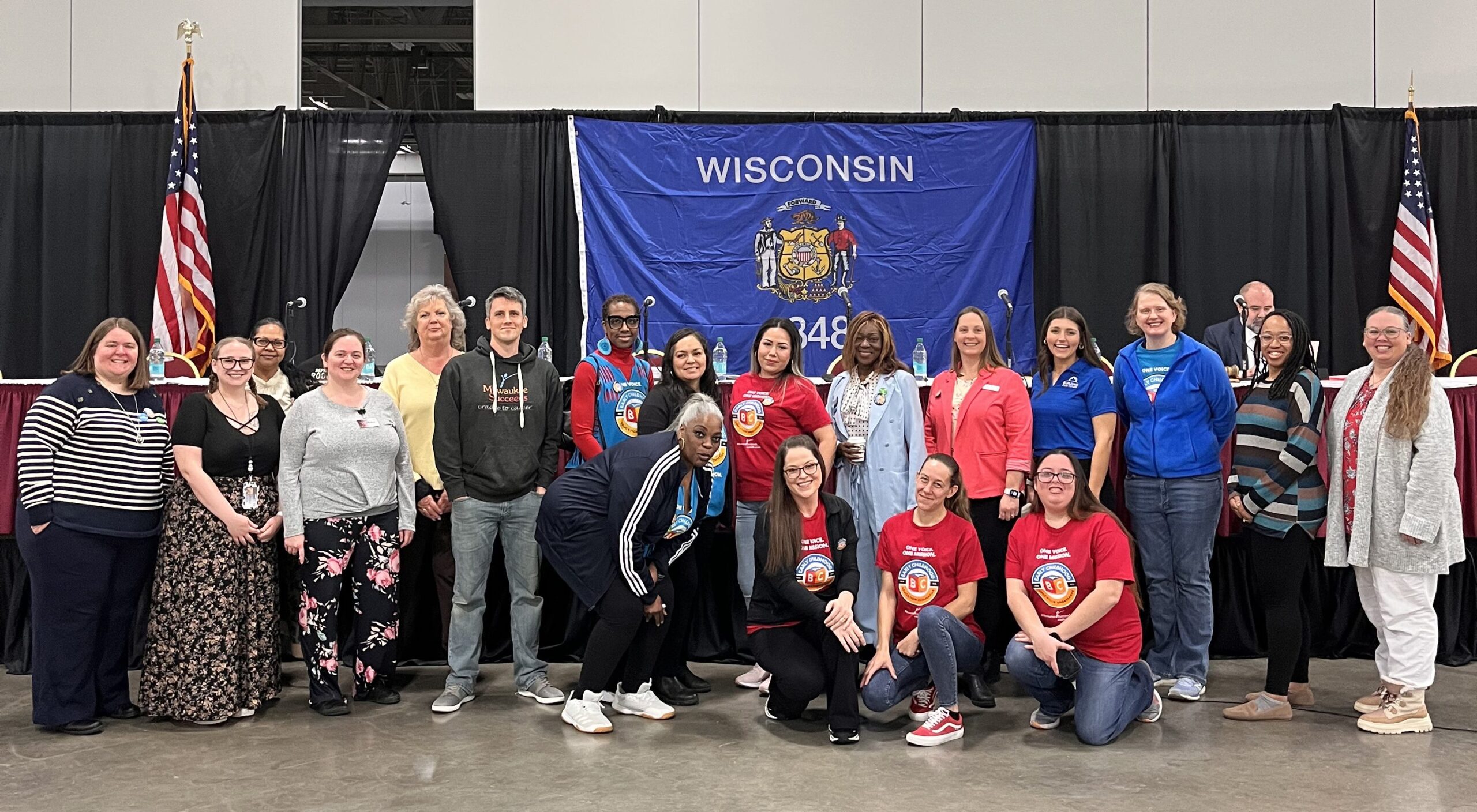
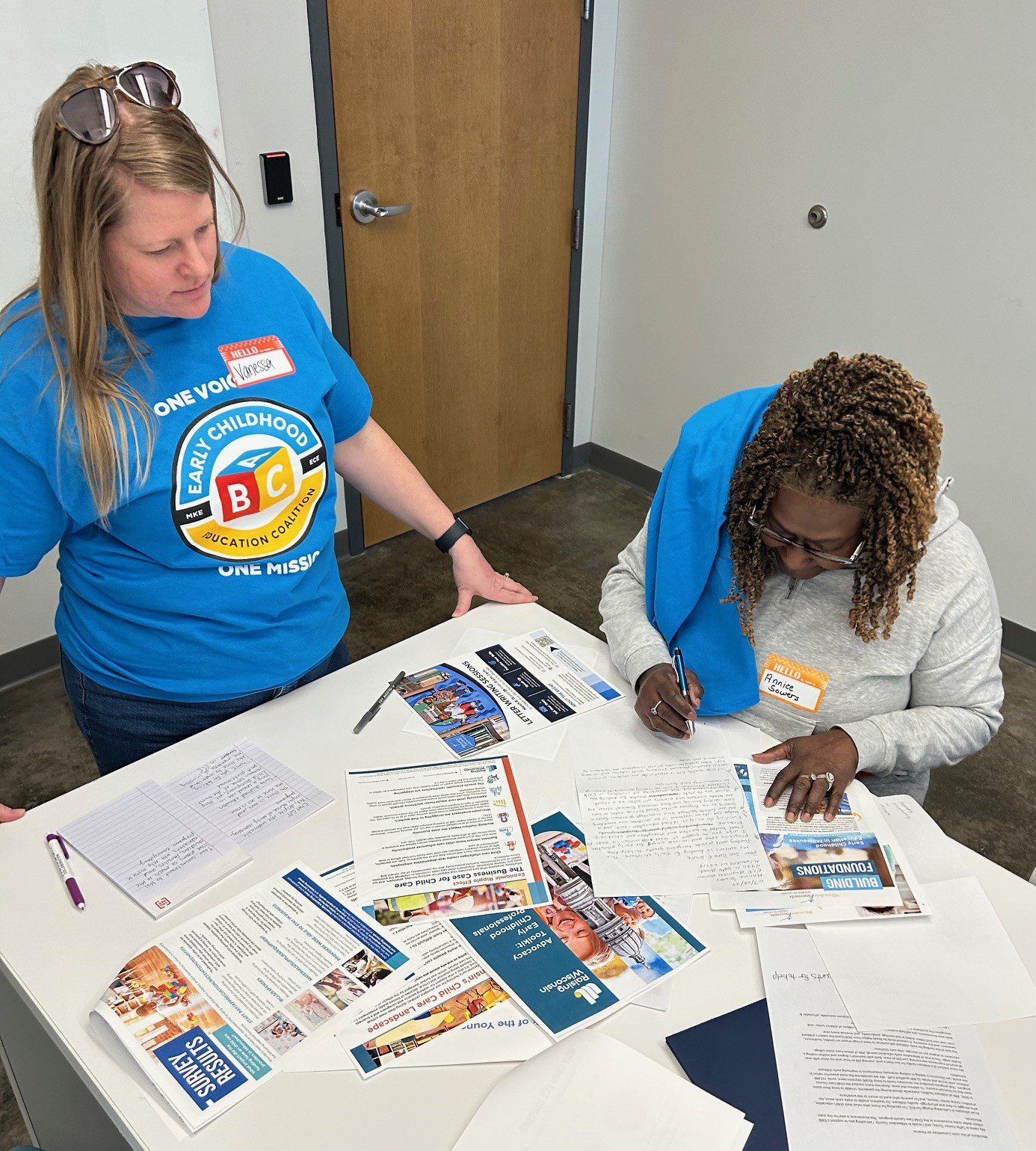
This investment was years in the making. From 2018 to 2024, the Wisconsin Partnership built coalitions, developed a shared agenda and invested in advocacy infrastructure. In 2024 and 2025, the partnership intensified advocacy with testimony at Joint Finance Committee hearings, a Child Care Advocacy Day that brought more than 50 community members to Madison, and over 20 meetings with lawmakers. The work culminated in a bipartisan budget that created the state’s first ongoing revenue stream for early childhood.
As Sarah Beckman, executive director of Achieve Brown County, reflected, “Wisconsin schools, kids and families will benefit from priorities in this budget cycle, but our work as a Wisconsin Partnership does not end here. We look forward to continued work with policymakers and elected and appointed officials to use this budget cycle as a starting point and launching pad to ensure early care, K-12 and postsecondary education systems continue to be prioritized and strengthened.”
Wisconsin schools, kids and families will benefit from priorities in this budget cycle, but our work as a Wisconsin Partnership does not end here.
Sarah Beckman, executive director at Achieve Brown County
Green Bay, Wisconsin
Connecticut’s transformative legislation
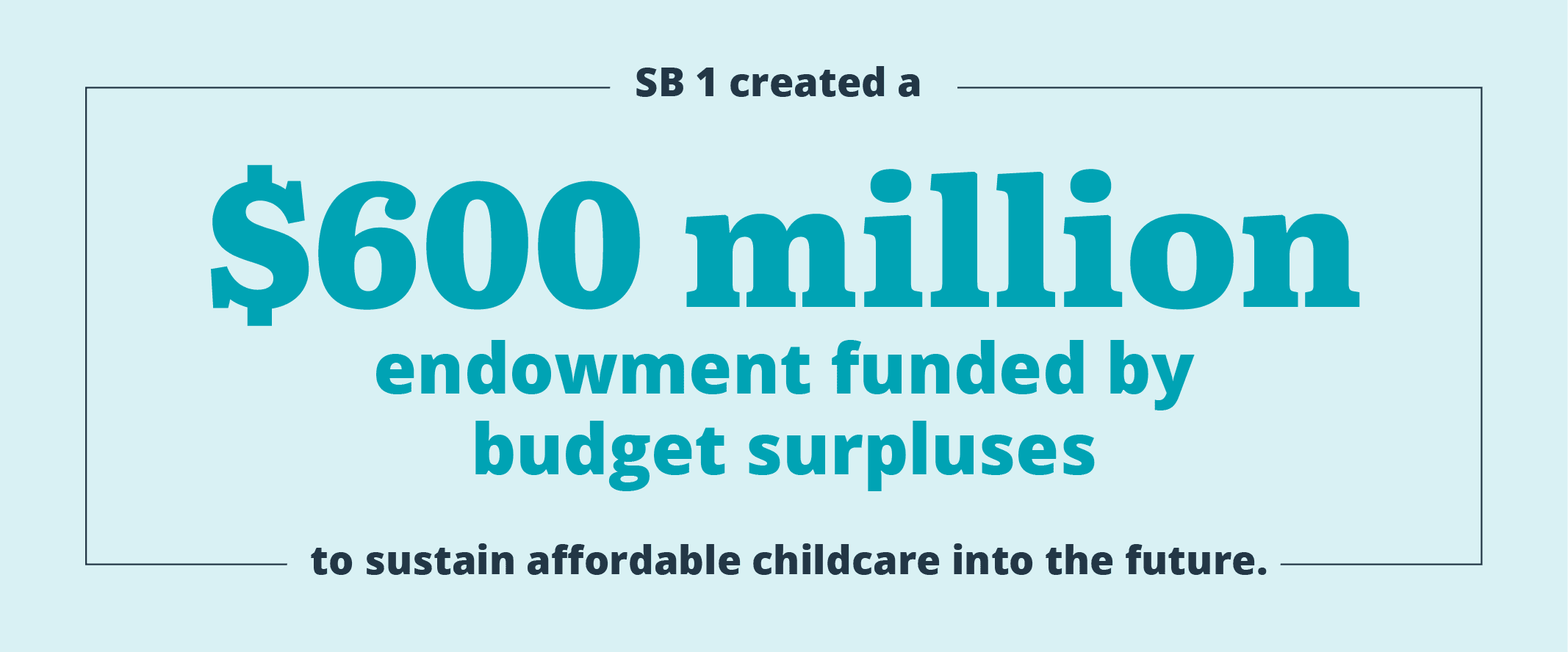
In the same year, Connecticut passed a package of bills that made the state a national leader in child care reform. SB 1 created a $600 million endowment funded by budget surpluses to sustain affordable child care into the future. The bill capped family contributions at 7% of income, provided free care for families earning under $100,000, added 16,000 new infant-to-pre-K slots and authorized wage parity and full health insurance for early childhood educators. HB 5003 created a one-stop online child care portal, while HB 7287 funded $80 million in facility and IT investments, $60 million in wage supplements and $10 million annually for insurance subsidies.
The Child Care for CT Coalition was the lead driver of the campaign, coordinating statewide advocates, funders and direct engagement with legislators and the Governor. The Connecticut Cradle to Career Coalition amplified this work through its local-to-state feedback loop, strong relationships and policy expertise.
Local partnerships convened Early Childhood Collaborative Action Networks, elevating data and stories from parents, educators and providers. The Coalition’s policy director served on the Child Care for CT Rapid Response Committee, ensuring aligned strategy and consistent messaging, while coalition members testified on multiple bills, emphasizing equity in delivery, system sustainability and workforce stability.
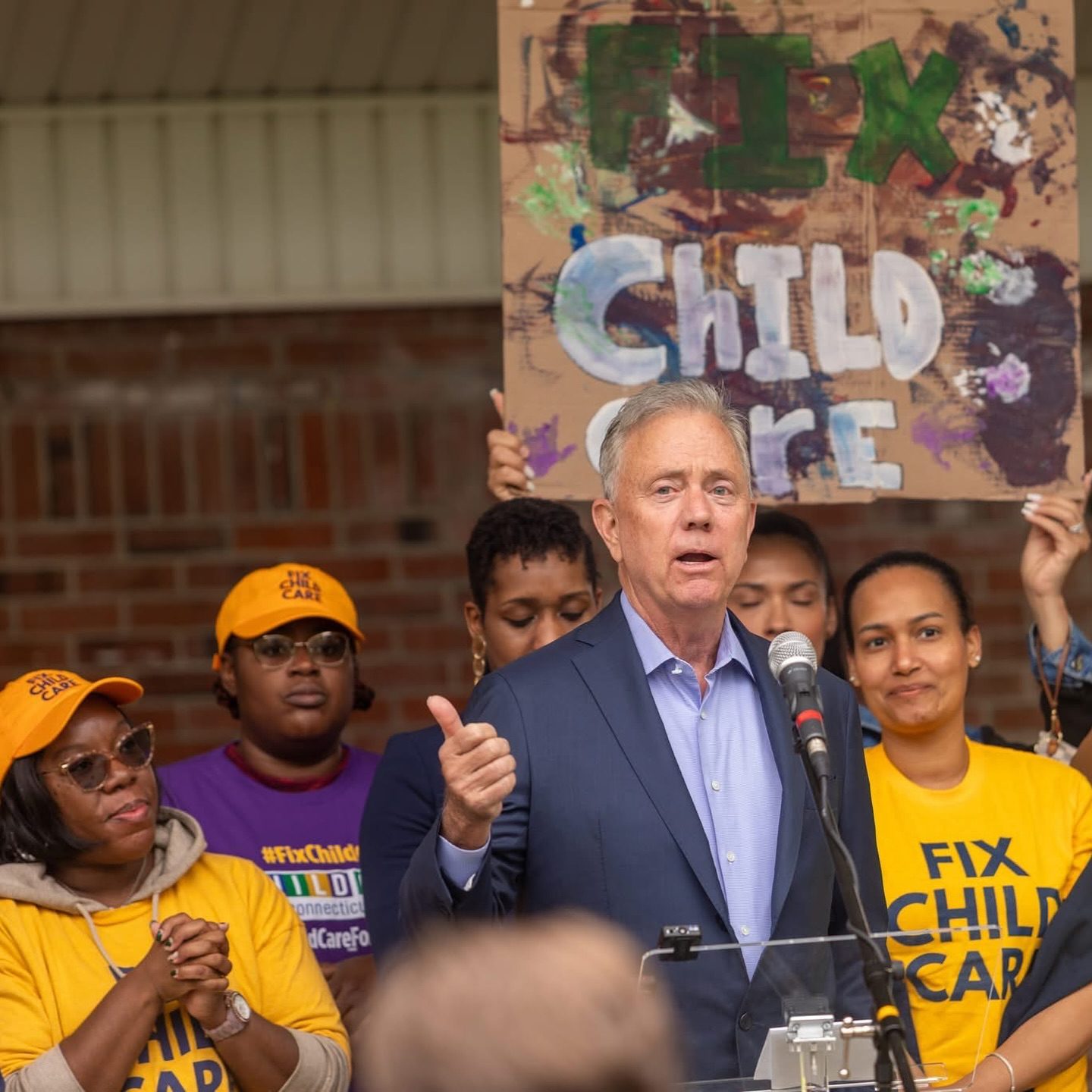
These reforms reflect years of advocacy by the Connecticut Cradle to Career Coalition and its partners. Local coalitions elevated parent and provider voices and aligned their priorities with statewide leaders. The Coalition’s community engagement leads mobilized youth, parents and providers through trainings, awareness events and testimony which played a central role in “Morning Without Child Care,” the annual day of action.
All five partnerships led rallies statewide — including Waterbury, where Governor Lamont joined — lifting up stories of families spending 27% of income on care, educators earning less than $35,000 a year and an economy losing $1.5 billion annually due to a disconnected system.
The result was a historic package of legislation that positions Connecticut as the first state to combine a permanent endowment, affordability caps, wage parity and benefits, capital investments and a comprehensive birth-to-5 scope.
One of the bill’s legislative champions explained the motivation: “Every Connecticut family deserves affordable, high-quality child care. With the passage of House Bill 5003 and Senate Bill 1, transformative legislation is set to become reality by expanding access, supporting educators and investing in a stronger future for our children and our economy.”
The Power of Place-Based Partnerships
In each state, these wins involved supporters from across sectors and across communities. In Wisconsin, the Wisconsin Partnership mobilized families, engaged business and community leaders and partnered with the Greater Milwaukee Foundation and the Department of Public Instruction.
In Connecticut, local coalitions informed policy design, testified in hearings and mobilized community engagement. Partners included legislative champions, the Office of Early Childhood, the governor’s staff, advocacy groups such as Child Care for CT, employers and families. Through StriveTogether’s support, the Connecticut Cradle to Career Coalition deepened its ability to link local voices with statewide strategy. Leaders relied on resources like policy guidance, regular coaching calls and convenings to strengthen alignment and strategy. A two-day working session in Connecticut helped ground partners in data-driven policy development, ensuring advocacy was community-centered, politically aware and data-informed.
StriveTogether supported both efforts with multi-year investments, policy coaching and shared tools. This infrastructure allowed place-based partnerships to seize policy windows and ensure reforms were rooted in community realities. By connecting local insight with statewide influence, these network members helped ensure that reforms were not only passed but positioned to succeed.
Strategy and Impact
Shared Strategies for Success
Wisconsin and Connecticut operated in different political contexts, but the strategies that fueled their wins were strikingly similar. In both states, strong and aligned coalitions played a central role — years of trust-building across communities and advocacy groups allowed leaders to present unified agendas that reflected the lived realities of families and providers.
Data-driven storytelling was just as important, pairing cost projections and policy reports with personal stories from parents, educators and providers. By connecting child care to workforce development and economic growth, leaders in both states expanded the coalition of support beyond traditional education advocates and into business, employer and bipartisan circles.
Though their paths differed, Wisconsin and Connecticut relied on the same core strategies to secure historic early childhood wins
Every Connecticut family deserves affordable, high-quality child care. With the passage of House Bill 5003 and Senate Bill 1, transformative legislation is set to become reality by expanding access, supporting educators and investing in a stronger future.
Ken Gucker, representative for Connecticut’s 138th District
Danbury, Connecticut
Future Vision
The significance of these wins lies in the size of the investments and also in the outcomes they are expected to deliver.
In Wisconsin, new funding will stabilize the child care workforce, expand infant and toddler care, improve school readiness and strengthen literacy outcomes. In Connecticut, reforms will add 16,000 new slots by 2032, cap costs at 7% of family income, guarantee free care for many households and provide wage parity and benefits for educators. Facility improvements and a new online portal will modernize access and expand capacity.
Looking ahead, the Connecticut Cradle to Career Coalition is focused on ensuring equitable implementation at both the state and local levels. At the state level, the coalition is asking: How will multilingual families connect to opportunities? Who will advocate for parents to ensure that policy translates into lived reality? At the local level, questions include: What does true access look like for communities with limited transportation?
To move from vision to action, the coalition will define local target data, expand access to the Sparkler app, and advance after-school and community school strategies. At the same time, partners will continue statewide advocacy for a permanent Child Tax Credit and the integration of youth community health workers.

Against the backdrop of a national landscape where most states invest just $1,300 per child annually in child care and preschool, these wins stand out. Wisconsin and Connecticut are now leading the way on affordability, access and workforce stability at a scale that other states are still striving to reach.
Several lessons emerge from these achievements. Persistent, coalition-led advocacy is essential. Combining data with personal stories builds bipartisan buy-in. Sustained infrastructure ensures coalitions are ready when political opportunities arise. And local-to-state alignment grounds policy in community realities, making reforms more durable.
The work, however, is far from over. Wisconsin partners are preparing for budget rollout, monitoring outcomes and engaging on trailer bills. In Connecticut, the Office of Early Childhood will lead rule-making on wage parity, insurance and portal design while hosting public town halls to engage providers and families. The Wisconsin Partnership and the Connecticut Cradle to Career Coalition will continue serving as trusted bridges from local voice to statewide action, strengthening infrastructure for advocacy, policy alignment and communications. With strong coalitions and accountability, both states are well positioned to turn policy into lasting results for children and families.
Wisconsin and Connecticut’s 2025 wins prove that ambitious early childhood reform is possible. These stories highlight the power of place-based partnerships to build civic infrastructure, align strategies and unite voices around a shared vision. Their successes are more than state victories — they are blueprints for transformation across the country in the movement to put more young people on a path to economic mobility.
More Stories of Impact
Stronger Future Spotlight: Crayons and Culture in Baltimore