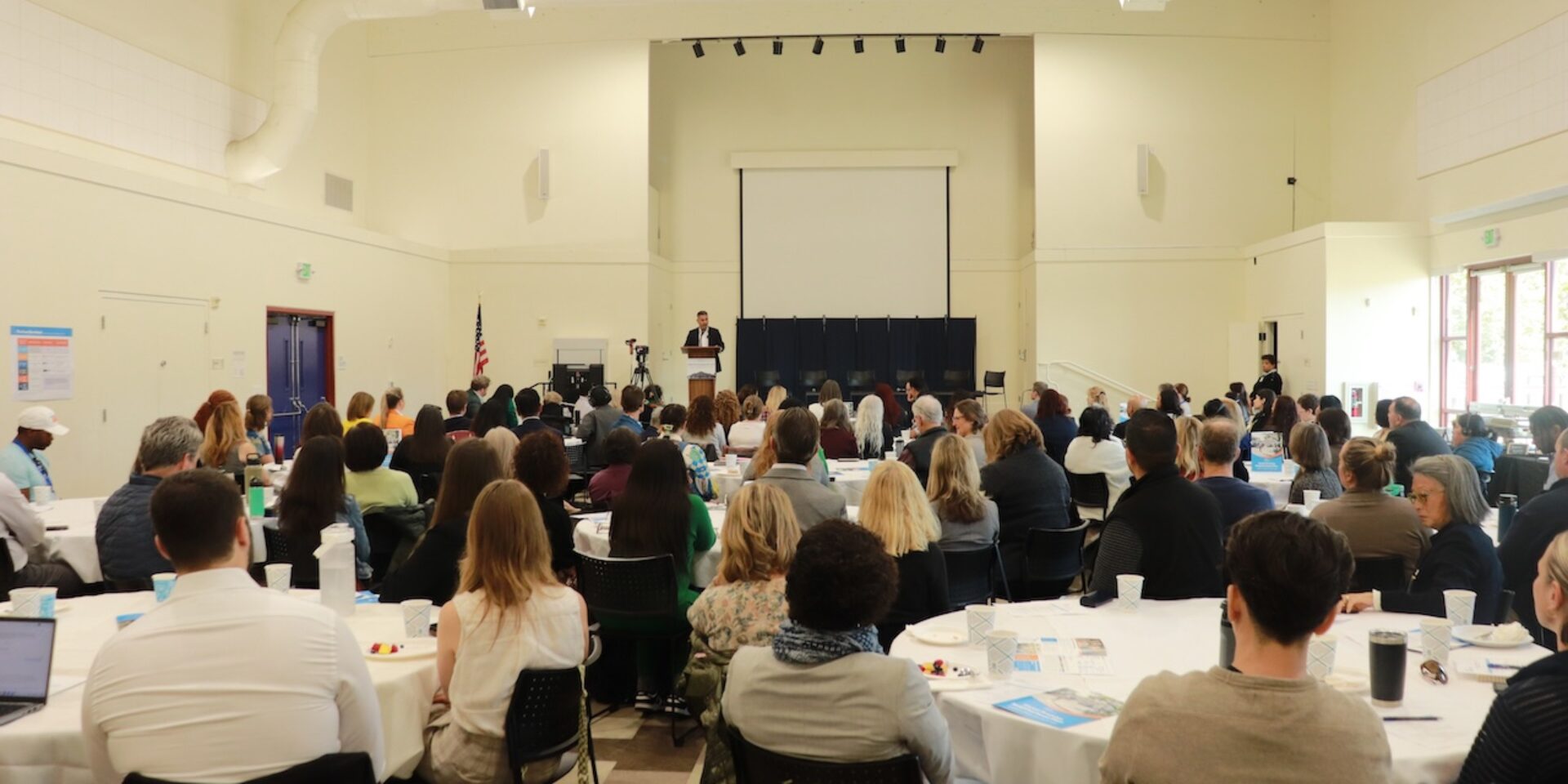
A Promise Rooted in Place: How Marin is Closing the Opportunity Gap in One of America’s Wealthiest Counties
Overview
In one of the wealthiest counties in the country, opportunity has never reached every child. Longstanding disparities in education, income, health and other measures of well-being remain concentrated in four Marin communities, limiting too many children’s paths to economic mobility.
Marin Promise Partnership is working with local partners through Promise Neighborhoods to build a shared cradle-to-career strategy and ensure every child can reach their full potential.
-
Early Learning Access for Every Child
A district-preschool partnership tripled preschool slots in West Marin, growing from 29 to 96 students and expanding access for families.
-
Building a Path to College and Career for Every Student
After Success Networks launched, college readiness for students of color rose from 44% to 71%, closing the gap with white peers.
-
A Promise Neighborhood Built on Community Strength
Marin City Promise Neighborhood brought together 17 organizations committed to shared accountability before a single strategy was written.
That financial fragility follows children into the classroom. The National Assessment of Educational Progress (NEAP) reported that only 31% of fourth graders scored at or above proficient in reading in 2024, down from 33% in 2022 and the lowest rate in more than a decade. That figure drops far lower for children from low-income households and communities of color. Among Black fourth graders nationally, more than 80% read below proficiency. That gap can be attributed to uneven access to quality early education, well-trained teachers and the neighborhood conditions that support learning. Children who fall behind in the early grades are significantly more likely to leave school before graduating, which shapes household income, health outcomes and civic participation for decades to come.
Across the country, communities that care deeply about children have spent decades building programs to address these gaps. When organizations work in isolation, however, families fall through the cracks because no single organization is accountable to the whole child’s journey.
Education is a primary pathway through which children access economic mobility, but whether children can thrive in school depends on the neighborhood conditions around them: stable housing, access to health care and safe environments that allow them to show up and learn.
Marin Promise Partnership is part of a national movement working to change this through the StriveTogether Cradle to Career Network. StriveTogether communities show that the places closing opportunity gaps fastest are connecting what already exists, aligning schools, health providers, nonprofits, housing agencies and public systems around shared goals and accountability to families. That is the model Marin Promise Partnership has spent years building in Marin County, California.
Local ContextLocal Context
One County, Two Realities
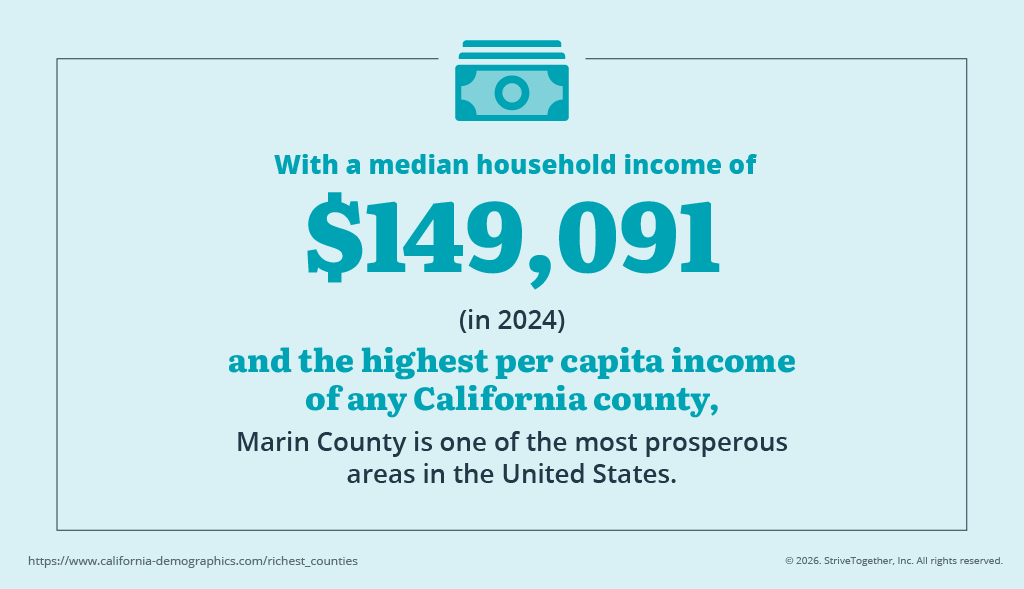
Marin County is one of the most prosperous counties in the United States. With a median household income of $149,091 in 2024 and the highest per capita income of any California county, according to U.S. Census Bureau and California state data, its economic profile ranks among the most affluent in the nation. Those averages, however, hide a sharper reality.
Inside this wealthy county sit neighborhoods where economic opportunity and social mobility have too often flowed around families rather than to them. For more than a decade, Marin Promise Partnership has convened schools, health providers and community organizations across Marin County around a shared goal of ensuring every child has what they need to thrive from birth through career. The partnership was founded in 2012 and has since worked with partners to build cross-sector data infrastructure connecting more than 100 partners around shared outcomes across every cradle-to-career milestone.
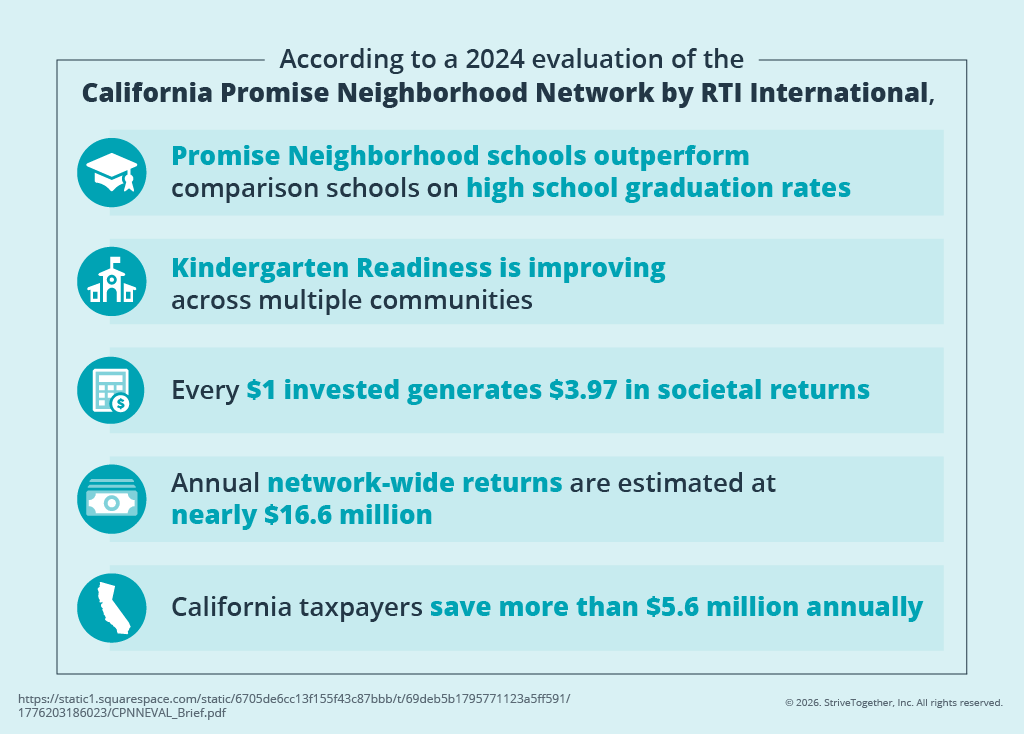
Across Marin County, four communities are launching Promise Neighborhoods, a proven model for aligning schools, health providers, housing agencies and nonprofits around shared goals for children and families. According to a 2024 evaluation of the California Promise Neighborhood Network by RTI International, Promise Neighborhood schools outperform comparison schools on high school graduation rates, kindergarten readiness is improving across multiple communities and every $1 invested generates $3.97 in societal returns, nearly $16.6 million in annual benefits and more than $5.6 million in annual savings for California taxpayers.
Each of the four communities tells a different story about where opportunity has fallen short in Marin. The Canal neighborhood in San Rafael is a vibrant immigrant community where many families navigate housing instability and the growing risks of sea level rise. West Marin is a rural region where geographic isolation and housing pressures create unique barriers for children and families. Novato includes neighborhoods where concentrated poverty persists within the county’s largest school district.
And in a neighborhood like Marin City, the county’s only historically Black neighborhood, the consequences of generations of discriminatory housing policies and barriers to building wealth show up in the data. According to Marin County Health and Human Services, residents there have a life expectancy of 77.1 years, compared to 92 years in neighboring Sausalito, a nearly 15-year gap within a county that ranks first in health outcomes in California. Median household income in Marin City is $56,000, less than half the countywide figure of $140,000. What these communities share is a history of receiving less than their share of public and private investment, and a set of partners now committed to changing that.
Marin Promise Partnership’s Milestones Over Time dashboard shows how those conditions follow children into school. Countywide, only 40% of students of color read at grade level by third grade, compared to 74% of white students. In eighth grade math, that figure drops to 35% for students of color, compared to 70% for white students. At the same time, college enrollment for students of color has reached 79% in 2024-25, approaching the 80% goal and reflecting years of coordinated work across partners.
Marin Promise Partnership built its countywide work on the belief that closing opportunity gaps requires aligning every system that shapes a child’s life, from early learning to housing to health. That countywide coordination created a foundation of shared data, cross-sector relationships and aligned goals. But data and coordination alone cannot reach the specific communities where gaps are most concentrated. Place-based work, rooted in community and driven by residents, is what turns that foundation into lasting change.
Strategies and ImpactStrategies and Impact
From Countywide Coordination to Place-Based Change
Marin Promise Partnership’s approach starts with the key principle of connecting what already exists before building anything new. The partnership aligns organizations, data and goals across every sector that shapes a child’s life in Marin County, from early childhood through postsecondary education and into the workforce. Today, Promise Neighborhoods are at the center of Marin Promise Partnership’s work, building cradle-to-career infrastructure in the communities where gaps remain widest. Each Promise Neighborhood identifies its own priorities through resident engagement, local data and existing strategic plans, within a broader framework that can span early learning, education, health, housing and economic opportunity. Resident and family engagement is not a separate workstream but a core principle throughout, ensuring the people closest to the challenges help shape the solutions.
Early Learning Access for Every Child
Transitional kindergarten, a state-funded program that gives children an additional year of structured learning to support their transition into kindergarten, has seen growing enrollment in recent years, reflecting deliberate work by partners to expand access to early learning supports. Children with access to quality early learning are significantly more likely to read at grade level by third grade, a milestone that strongly predicts high school graduation and college enrollment.
In West Marin, that work started with a concrete problem: too few preschool slots and no public system to sustain them. Beginning in 2018, a collaboration of community organizations spent 18 months working with Shoreline Unified School District to develop a preschool expansion plan. When the school board approved it, preschool was embedded into the public school system for the first time. Total slots grew from 29 to 96 between 2020-21 and 2023-24, with enrollment among families from low-income households rising from 27 to 73 and students of color from 12 to 42. Teacher retention has held at 100% and the program budget has remained neutral.
Countywide, partners built a shared data dashboard using data from the Ages and Stages Questionnaires, a standardized tool that identifies children who may need early support across communication, motor skills and social-emotional development. Before it was implemented, families were screened inconsistently and often missed the window when intervention is most effective. Neighborhood-level data from the dashboard now helps partners direct resources before children ever enter kindergarten.
When residents across all four Promise Neighborhood communities named early learning as their top priority, Marin Promise Partnership brought that evidence to the table and formalized a strategic partnership with First 5 Marin in early 2026. That partnership formally embedded community-led early learning work within First 5 Marin’s structure, strengthening long-term coordination, public accountability and sustainability.
Building a Path to College and Career for Every Student
In 2020, Marin Promise Partnership convened a cross-sector group of partners to launch the Educator Diversity Initiative with a clear goal to build a teacher workforce that reflects the students it serves. At the time, only 11% of teachers in Marin identified as people of color, compared to nearly 49% of students in the county’s public schools. Most students of color went through their entire K-12 education without ever seeing themselves reflected in the front of the classroom.
Educators of color helped identify the barriers keeping people like them out of the classroom, including credentialing costs, limited early exposure and gaps in mentorship. Partners responded by building aligned solutions: paid teacher residencies, credentialing support and a connected pathway from high school into the classroom. That work has now graduated into a formal multi-partner agreement, making the Educator Pathway a permanent feature of Marin’s education system.
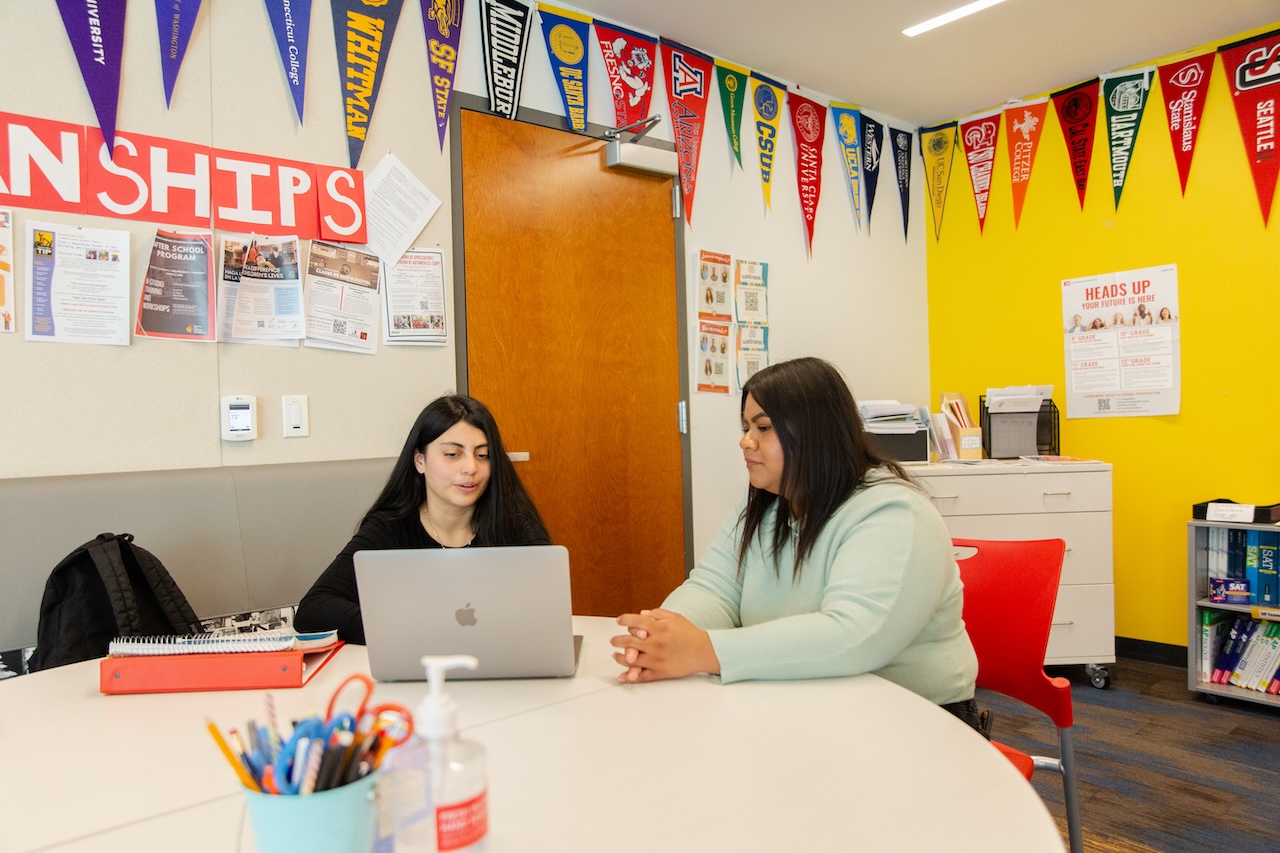
The Future Ready initiative’s Success Networks show what site-based, coordinated support can produce. Embedded at high schools in several focus communities, Success Networks bring together counselors, teachers and community partners to increase the share of students completing the courses required for college admission.
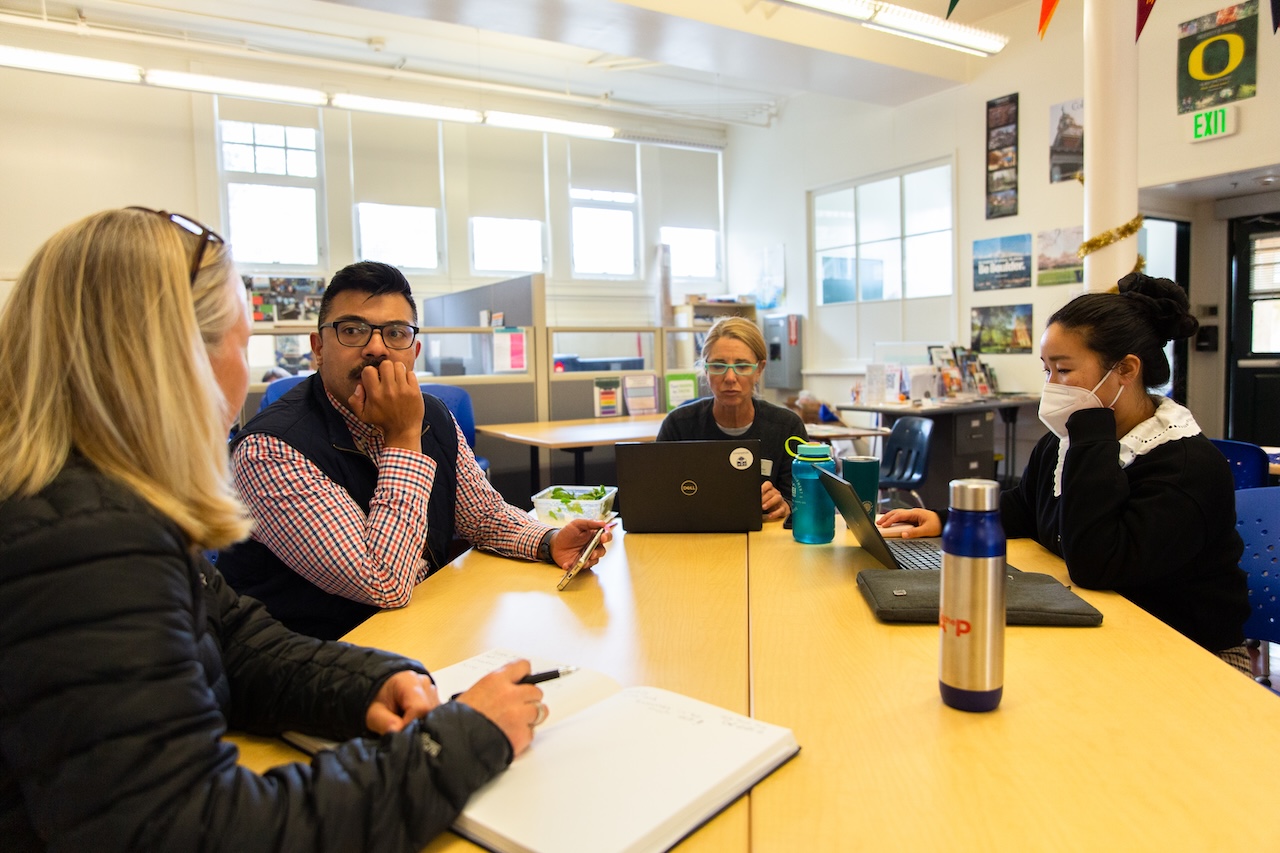
Before they were implemented, only 27% of Black/African-American students and 38% of Hispanic/Latino students were meeting that bar, compared to 75% of white students. By 2018-19, those figures had risen to 67% for Black/African-American students and 71% for students of color overall. Countywide, college enrollment for students of color has risen from 67% to 78%. At Tamalpais High School, which serves students from multiple Marin communities, financial aid completion among Promise students even reached 91% by 2022-23.
This cross-sector infrastructure became the foundation for the Promise Neighborhoods now taking root across Marin. Strong countywide systems become even more effective when paired with community-specific strategies. Shared data, aligned partnerships and proven initiatives like Success Networks and the Educator Pathway give Promise Neighborhoods a running start, and Promise Neighborhoods give those systems a community to serve.
The Promise Neighborhood Model: From Canal to Marin City
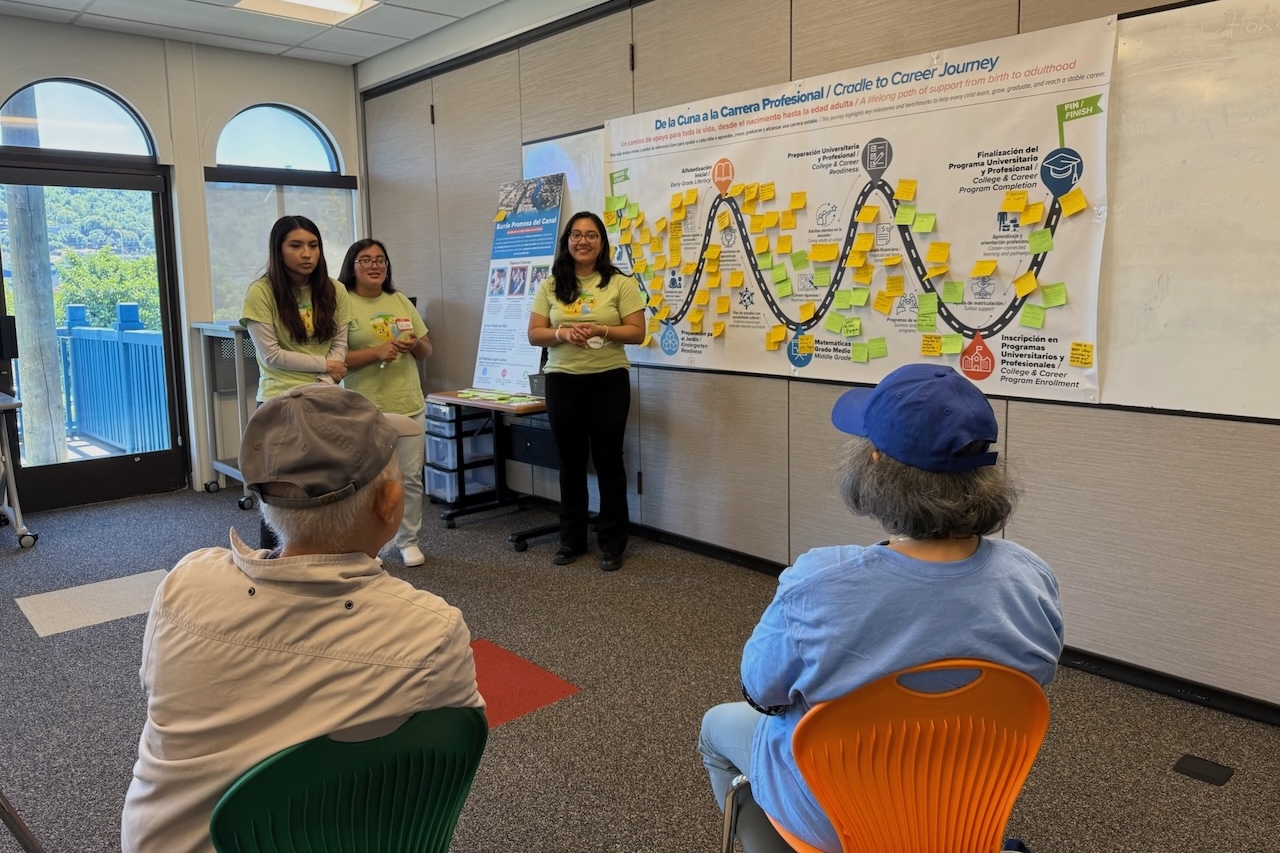
The clearest demonstration of what this approach produces is the Canal Promise Neighborhood, launched in 2025 in San Rafael’s Canal neighborhood. The Canal is a vibrant, predominantly Latine immigrant community where challenges like overcrowded housing, economic stress, flooding and fear of family separation follow children into the classroom.
Marin Promise Partnership served as the backbone for a cross-sector Steering Committee, supporting partners to review existing strategic plans, map where priorities overlapped and honor years of work already underway. It also built on Community Schools implementation already underway in San Rafael City Schools.
Three shared focus areas emerged: Early Learning and Literacy, College and Career Readiness and Neighborhood Vitality. When families were asked directly what would make the biggest difference for their young children, many named something not yet on the table: a high-quality early learning center in the heart of the neighborhood. That resident input changed the direction of the work. Belida, a high school senior and member of the Canal Promise Neighborhood Resident Council, described what success looks like from her perspective: “I feel like if this work is successful, it’ll make a great difference for the Canal because there will be more people who are educated and people who will go off to college and then give back to the community. I feel like it will translate into economic growth.”
I feel like if this work is successful, it’ll make a great difference for the Canal because there will be more people who are educated and people who will go off to college and then give back to the community. I feel like it will translate into economic growth.
Belida, high school senior and member of the Canal Promise Neighborhood Resident Council
Marin County, California
Those lessons traveled directly into the design of the Marin City Promise Neighborhood, launched in spring 2026. Marin Promise Partnership took stock of the many efforts already underway, mapped where working together could make the biggest difference, and moved at the pace of trust. In communities where trust with external partners has been strained over generations, that means beginning with listening, building relationships and creating space for residents, families and local partners to shape solutions together before any strategies are set.
A Steering Committee of 17 organizations spanning education, public health, housing, workforce and community services began meeting in March 2026. Action Teams of practitioners and residents will be developing strategies around the focus areas the community names as most urgent, with resident engagement through workshops, fairs and community events shaping those strategies before any resources are committed.
The work will result in an Investable Plan, a community-vetted roadmap that names shared priorities and lays out how resources will be raised and used. The plan starts with philanthropic funding to launch and test strategies, then shifts toward public funding over time so the work becomes part of the systems and budgets that shape children’s lives for the long term. Marin Promise Partnership is building toward a role as a collaborative funding partner, one that aligns dollars from multiple sources around a shared community plan.
When we move beyond isolated efforts, align resources, center community leadership and hold ourselves accountable to results, we can break the cycle of systemic inequity and create the conditions for families to thrive
Richard Raya, chief executive officer of Marin Promise Partnership
Marin County, California
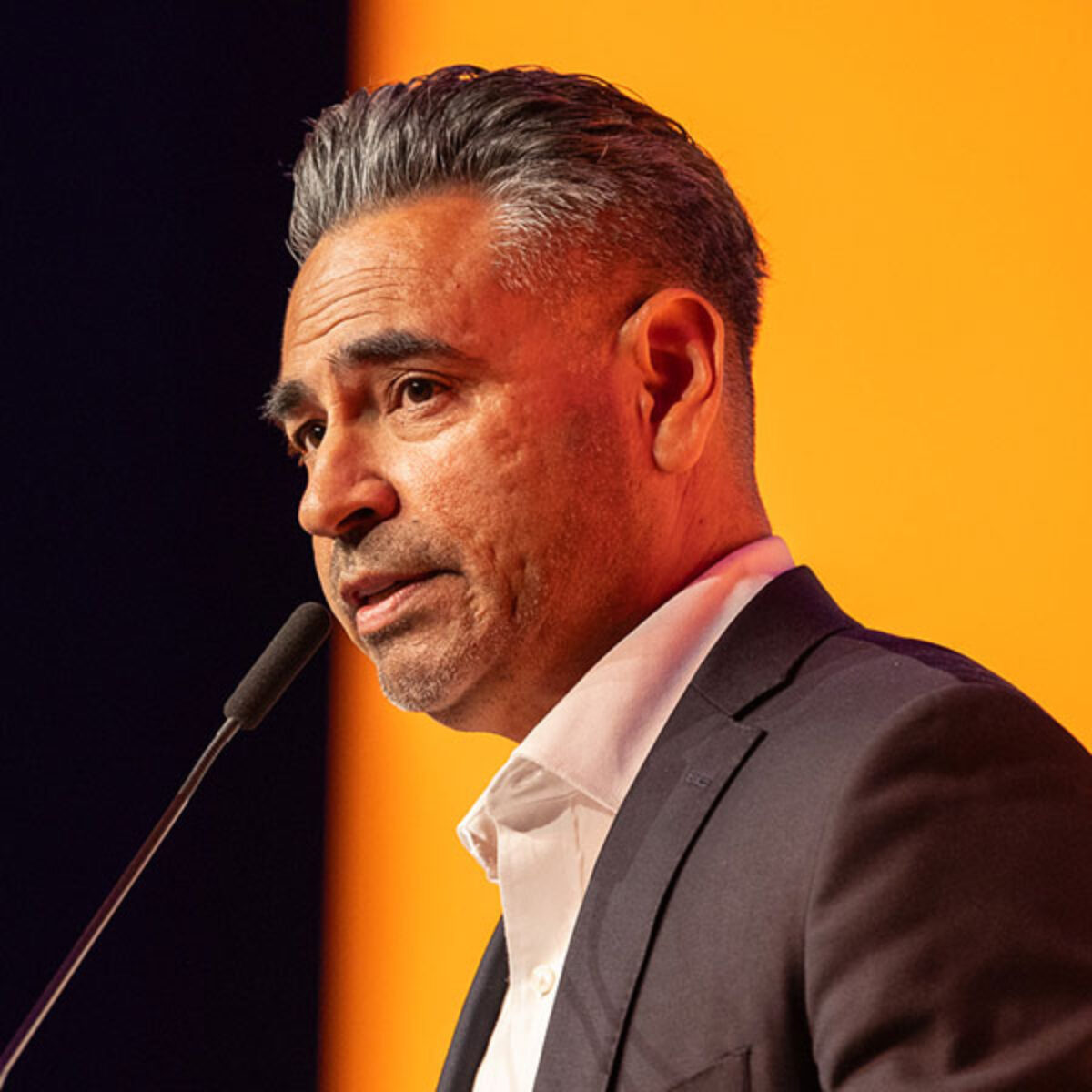
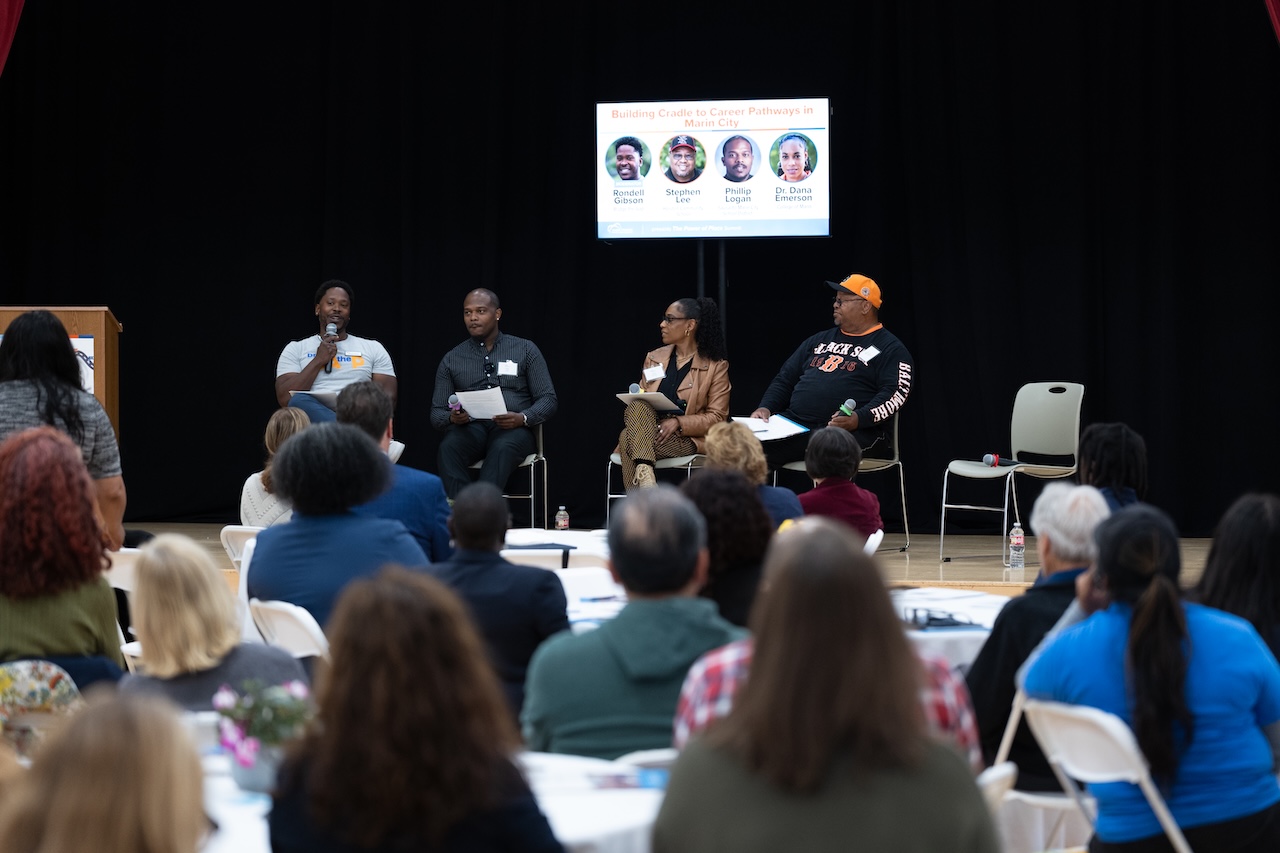
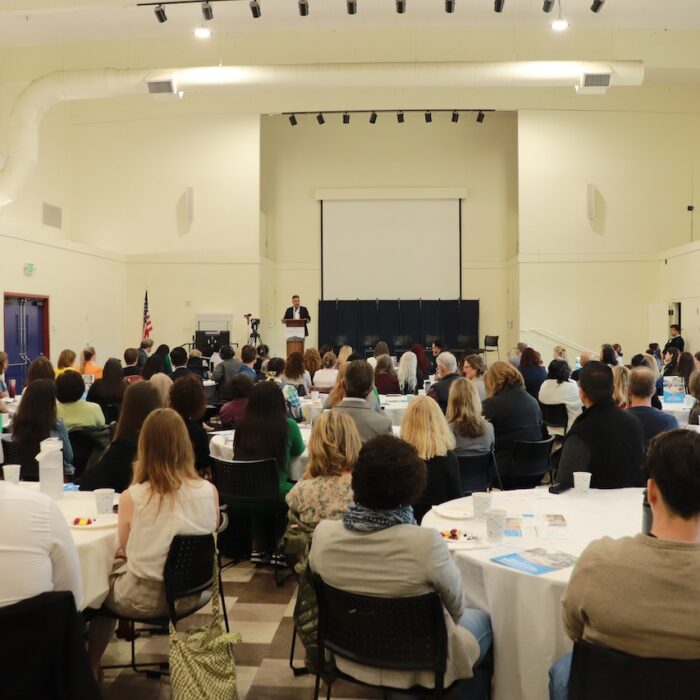
The public launch in May 2026 drew partners from every sector that shapes a child’s life in Marin City. Several organizations made a formal commitment to shared accountability before a single strategy had been written. For Paul Austin, CEO of Play Marin and a Steering Committee member, the vision and shared accountability is grounded in economic possibility for Marin City. “From an economic standpoint, I’d love to see an economic boom where people can work right here in their community… a true investment in education from K-12 and beyond, with vocational and educational opportunities for everyone. I see a thriving community,” he said.
That vision depends on the kind of cross-sector accountability Richard Raya, chief executive officer of Marin Promise Partnership, described at the launch. “When we move beyond isolated efforts, align resources, center community leadership and hold ourselves accountable to results, we can break the cycle of systemic inequity and create the conditions for families to thrive,” Raya said.
The infrastructure to make good on that commitment is already in place.
Future VisionFuture Vision
A Countywide Commitment
Marin City Promise Neighborhood’s Investable Plan will be completed in spring 2027, with no-cost strategies launching right away and full implementation following as investments and resources are secured. The plan centers education as a primary pathway to economic mobility, from early learning through college and career, while recognizing that children cannot fully access that pathway without stable housing, health care and safe neighborhoods.
It will direct investment across the full cradle-to-career pipeline: early learning, early literacy, school readiness, middle and high school success, and college and career pathways. It will also address neighborhood conditions, including housing, health, safety and economic stability.
Marin City is one of four communities where Marin Promise Partnership is launching Promise Neighborhoods, alongside the Canal, Novato and West Marin. Each effort adapts a shared framework to local contexts while the countywide backbone builds shared data infrastructure, advocacy capacity and cross-site learning. The goal is clear: where a child grows up in Marin County should no longer determine their opportunities in life.
That vision connects directly to what is possible at the state level. In 2026, Marin Promise Partnership joined other California Promise Neighborhood partners at the state capitol to inform legislators about the evidence for place-based investment. AB1969, the It Takes a Village Act of 2026, which would establish a statewide grant program to fund neighborhood partnerships working to reduce child poverty and advance economic mobility, passed out of the Assembly and is advancing through the Senate. “California has an opportunity to build on that momentum by continuing to invest in Promise Neighborhoods and the place-based partnerships that help families move out of poverty and thrive,” said Richard.
For children in the Canal, Marin City, Novato and West Marin who are in preschool today, the answer to whether those systems will hold is being built right now. The screening that catches a developmental delay should connect to the support that builds a reading foundation by third grade, which should connect to the advising that helps them enroll in college, which should connect to the financial support that helps them finish. That chain of aligned systems, accountable to families and grounded in data, is what the Promise Neighborhood approach is designed to create.
In communities that have long had the least access to well-resourced systems, making it work is the real measure of what this partnership is for. Across Marin County, for the first time, all of those systems are being built to work together and the lesson for communities everywhere is the same. Countywide coordination creates the conditions, but place-based commitment, rooted in trust and driven by residents, is what turns those conditions into lasting change.
More Stories of Impact
A Promise Rooted in Place: How Marin is Closing the Opportunity Gap in One of America’s Wealthiest Counties