From Capitol to the Classroom: How Utah Went From 30% to nearly 90% Full-Day Kindergarten Classes
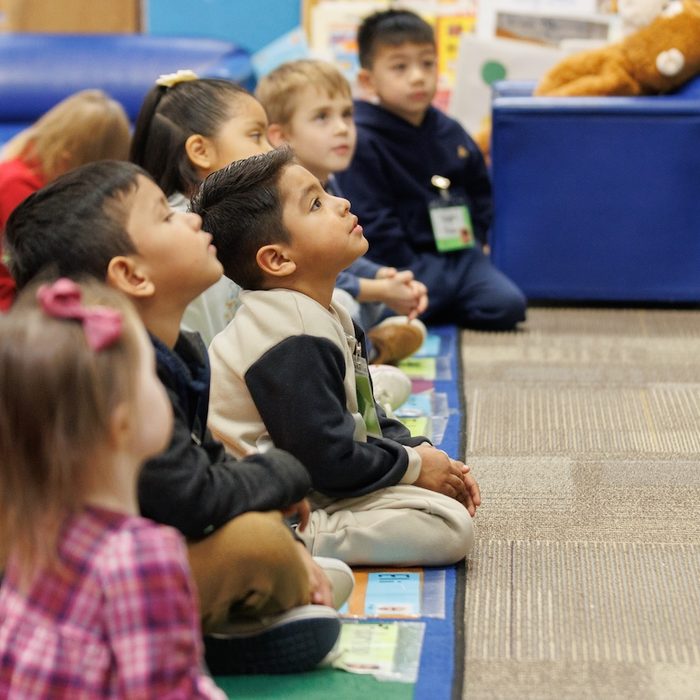
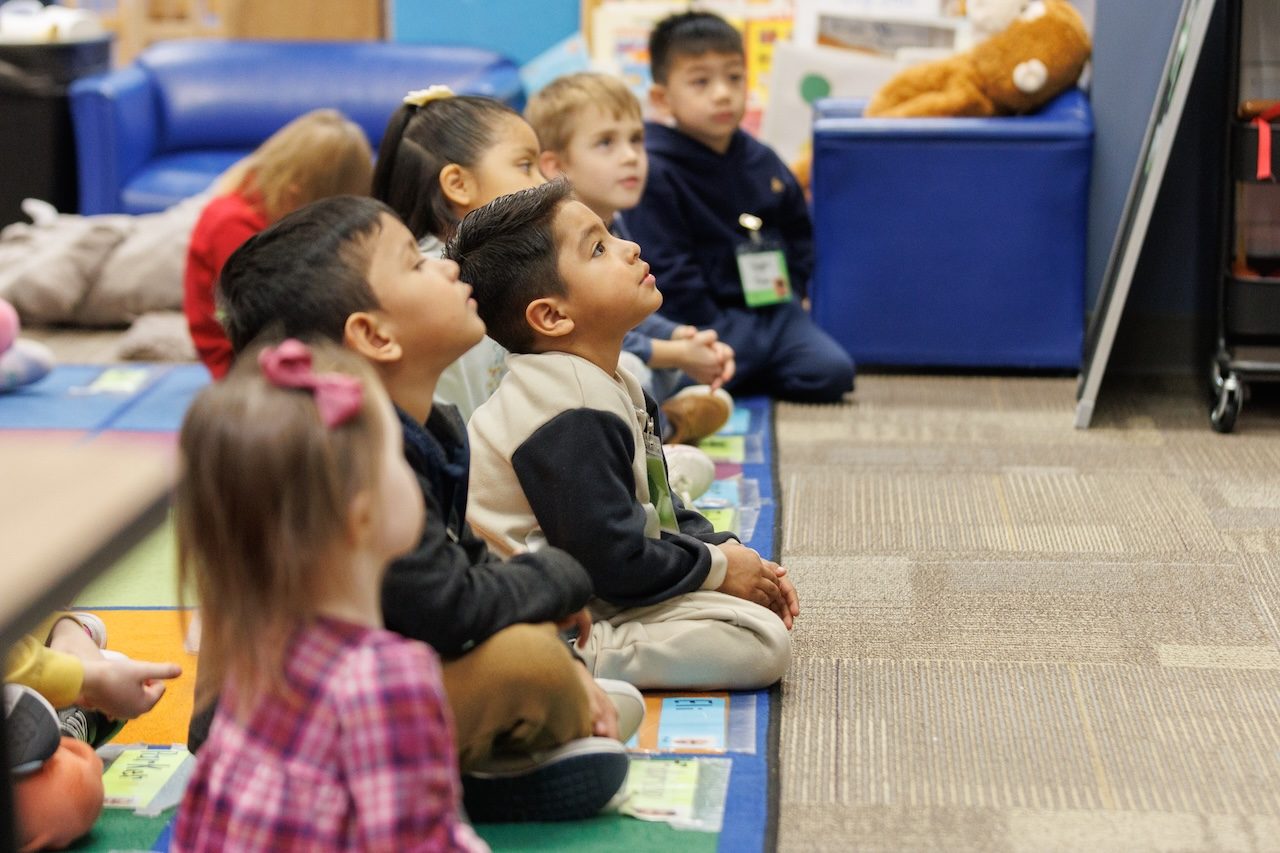
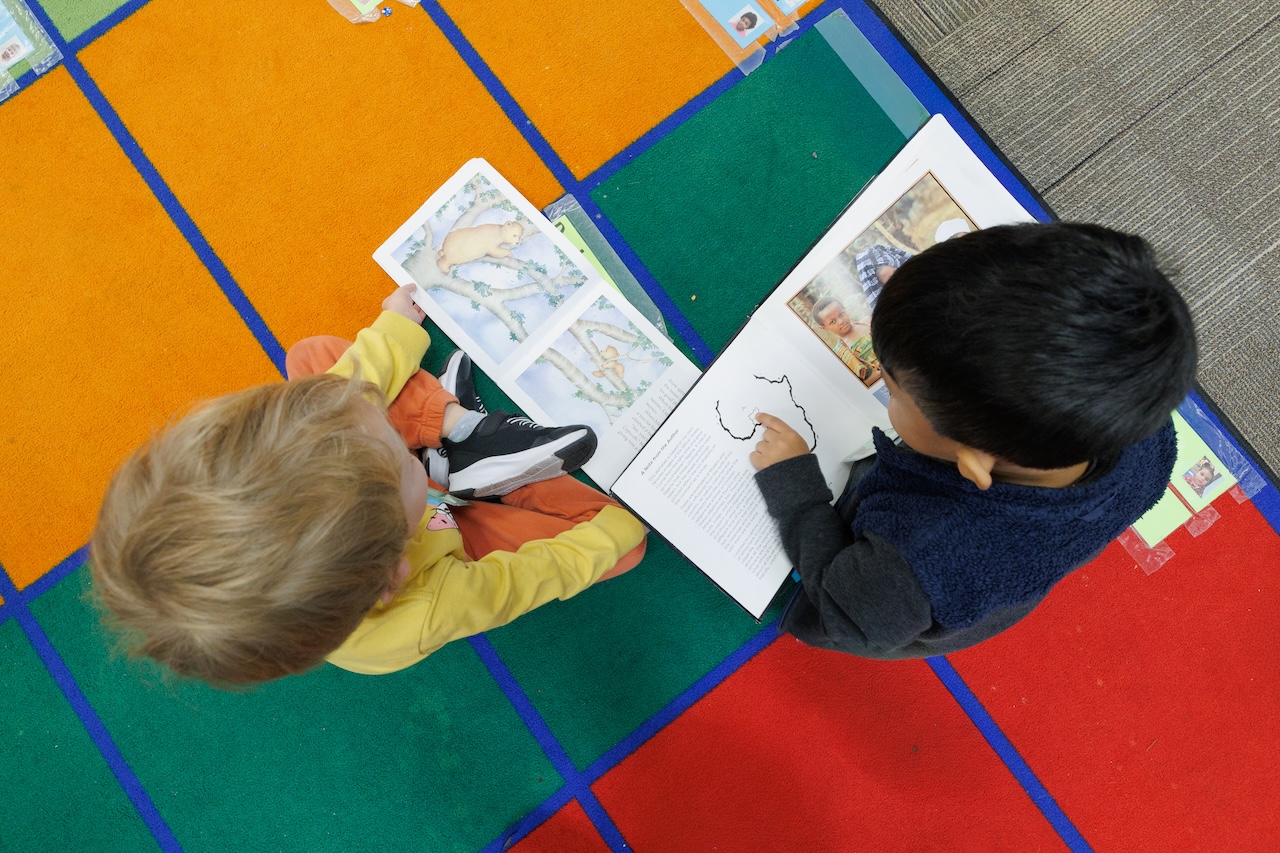
For more than ten years, Promise Partnership Utah worked toward a goal of giving every Utah family the option to send their child to kindergarten for a full day. In 2026, that goal has been met, with 90% of Utah kindergarten classes now offered as full day.
To get there, it took a decade of coalition-building, data collection and patient legislative organizing. Promise Partnership Utah is a cross-sector collective of organizations, educators and community members working from a shared playbook toward one mission: 100% of Utah kids and families thriving. Full-day kindergarten became one of its longest-running campaigns, and this year the effort is paying off at scale. What was once a patchwork system, with only about three in ten Utah kindergartners in a full-day program, has become the norm across nearly every district in the state.
The stakes behind that campaign run deeper than any single bill. Across the region, many families struggle to find childcare that is safe, affordable and close to home or work. Preschool access remains a drop in the bucket compared to the need, and early childhood mental health services are provided by only a handful of specialized providers statewide. Taken together, these gaps are what the partnership has spent a decade working to close in pursuit of the shared goal that every child in Utah is ready for kindergarten.
Research shows Utah children in full-day programs perform two to four times better than half-day peers on basic proficiencies. Those gains carry well past a single school year. Kindergarten readiness is closely linked to lifelong economic mobility, laying the groundwork for reading on grade level, graduating high school and building a stable career. These long-term benefits are why the partnership treated every child in Utah ready for kindergarten as a goal worth a decade of work.
Early Advocacy for Preschool Access
The partnership’s path to full-day kindergarten didn’t start with kindergarten at all. It spent its early years advancing preschool access, a priority shaped by partner research and the political timing available at the time. Once that groundwork was laid, it turned to full-day kindergarten. It worked alongside other statewide coalitions with the same goal, rather than competing with them.
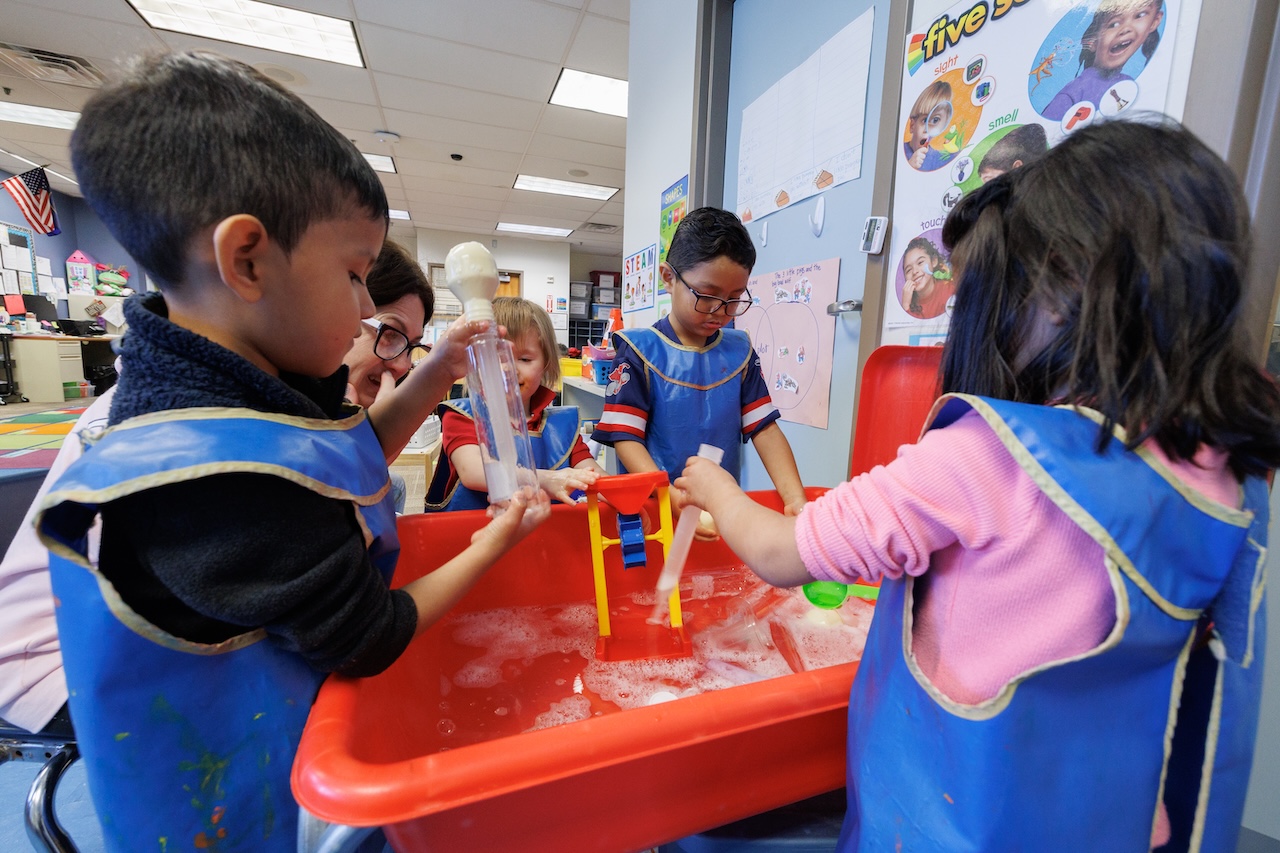
The approach relied on organizing as much as it relied on research. The partnership organized parents to speak up about the childcare and scheduling burdens of half-day programs, and organized kindergarten teachers to describe, in classroom-level detail, how much more a child can learn in a full day. It paired that organizing with a persistent research case, data showing full-day kindergarten prepared children for elementary school far more effectively than half-day options. Stitching parents, teachers and data into one coalition, rather than leaving any group to argue alone, is what ultimately moved the legislation.
“We began 10 years ago, more than 10 years ago really, advancing preschool, knowing that that might be an easier lift,” said Amy Ahrens-Terpstra, the partnership’s managing director. “And then we chipped away at full-day kindergarten.”
That persistence and evidence mattered. Only about three in ten Utah kindergartners were enrolled in a full-day program during the 2021-22 school year, compared with roughly eight in ten nationally, one of the widest gaps in the country. Access was also uneven. Depending on the school district, the odds of finding a full-day seat varied enormously, turning what should have been a family choice into a matter of geography.
Legislative Passage and Funding Reform Under HB477
The turning point came in the 2023 legislative session, when Utah lawmakers passed HB477, the “Full Day Kindergarten Amendments,” sponsored by Rep. Robert Spendlove. Governor Spencer Cox signed it into law on March 17, 2023, after years of advocacy from families, educators and partners like Promise Partnership Utah. More than two years later, enrollment is still climbing, a sign that the same model that won the bill is still driving results.
The bill did more than make a statement — it changed how schools could actually plan and pay for full-day kindergarten. Before HB477, schools that wanted to offer optional full-day kindergarten cobbled together funding from federal, state and local sources, an unpredictable arrangement that made it hard to justify hiring teachers or building classroom space. HB477 folded optional full-day kindergarten into the state’s baseline education formula, funding it the same way as every other grade. Districts finally had a dependable revenue stream instead of a one-time grant. The law preserves choice on both ends. No school is required to offer full-day kindergarten, and families can still choose half-day if that works better for them.
Part of what sustained the push was outside reinforcement, a reminder that the partnership’s model draws strength from a much larger network. The partnership belongs to the StriveTogether Cradle to Career Network, a coalition of place-based partnerships nationwide, and credits it with research and national models.
Any idea that we’ve ever had here locally has not stood on its own. It’s not been only informed by people here on the ground. It’s been informed by the contributions and the advancements of partners from across the network.
Amy Ahrens-Terpstra, managing director of Promise Partnership Utah
Salt Lake City, Utah
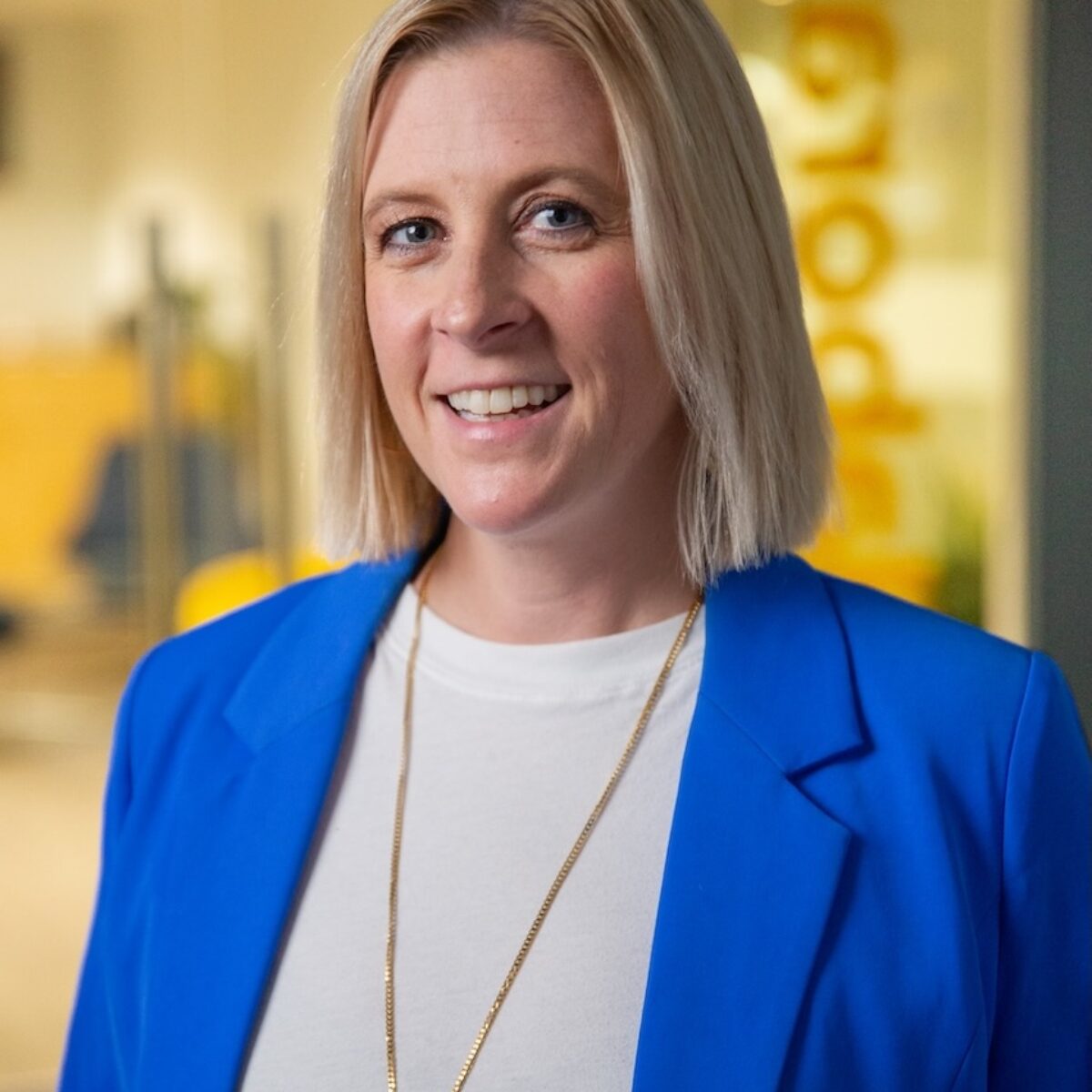
“Being part of the Cradle to Career Network has been game-changing for us,” said Amy. “StriveTogether has been the main entity that has really put this notion of shared population-level accountability as the non-negotiable for place-based work. We also get tremendous thought partnership from our folks at StriveTogether and from the 70 communities that belong to the network. Any idea that we’ve ever had here locally has not stood on its own. It’s not been only informed by people here on the ground. It’s been informed by the contributions and the advancements of partners from across the network.”
The results have exceeded early projections. Advocates initially hoped HB477 might push enrollment to roughly six in ten kindergartners. Instead, statewide enrollment reached 77%, up from 34% before the bill passed in 2023. By 2026, according to Promise Partnership’s Results Matter Report, 89.3% of kindergarten classes statewide were categorized as full day, with enrollment in the Promise Partnership region outpacing the statewide rate.
The impact goes beyond attendance. During the 2024-25 school year, Utah students enrolled in full-day kindergarten posted larger reading gains than their half-day peers, among both economically disadvantaged students and multilingual learners. The strongest gains came from multilingual learners in full-day programs, whose share reading at or above benchmark rose 36.6 percentage points over the course of the year, while economically disadvantaged students in full-day programs saw their benchmark rate climb from 37.5% to 69.2% over the same period.
The Partnership’s Broader Early-Childhood Framework
Full-day kindergarten is one piece of a broader early-childhood strategy for Promise Partnership Utah. Its Early Learning Network brings state leaders, community organizations, providers and families together monthly to review data and set strategy, the same setup that eventually led to HB477.
That same network, applied to toddlers instead of kindergartners, is what produced Promise Baby & You. It connects families with children under 3 to community resources and early education. It grew out of a strong cross-sector partnership between Promise Partnership Utah, city government and a school district. Together they built a nine-week framework, informed by family surveys, and community input, ensuring the content reflects the needs and interests of local families.
Each week, a different community expert leads a workshop, connecting families with trusted resources and ongoing support. The same approach produced The Basics Utah, which is used as the parent facing curriculum in the Promise Baby & You program. As families learn about The Basics Principles each week, they have the opportunity to enroll in The Basics Insights text messaging program, which sends weekly messages explaining why each principle matters and how families can put it into practice at home.
Nine cohorts and 156 families have now graduated from Promise Baby & You. Survey results from those families point to gains specific to the program itself: greater confidence in understanding child development and health and safety, more familiarity with community resources, and 99% of respondents reporting that they achieved their personal goals for participating.
This work is supportive of Utah’s state kindergarten readiness pathway. The pathway is a shared definition of what it means for children to be ready for kindergarten and is built around four interconnected pillars: Ready Family, Ready Community, Ready School, and Ready State. Together, these pillars recognize that kindergarten readiness is a shared responsibility.
Amy said the payoff of that approach is buy-in. “Promise Partnership Utah is really helping our state agencies that own the definition of kindergarten readiness think about how to include the voices of families, how to include the expertise of teachers, and how to make sure that their definition of kindergarten readiness is truly shared by the full community,” said Amy. “When a definition of kindergarten readiness is shared by the full community, everyone is more about it and willing to do their part.”
The kindergarten win is held up internally as proof of what this model can accomplish when sustained over many years. The same approach was applied to a 100% high school graduation goal for students in South Salt Lake and Millcreek, anchored at Cottonwood High School.
That same coalition model has since found a statewide counterpart in the Legislature. In March 2026, Utah lawmakers passed Senate Bill 165, establishing the REACH Initiative, legislation that builds infrastructure for community-based partnerships across the state. It requires the Governor’s Office of Economic Opportunity to designate a statewide technical assistance provider and sets requirements for cross-sector collaboration, shared data and transparent reporting on outcomes like third-grade reading, high school graduation and employment.
Designed to reach more than 200,000 youth across urban, suburban, rural and tribal communities in Utah, the initiative takes the same coalition model behind the kindergarten win, shared goals, shared data, buy-in from every sector, and makes it the standard every local partnership in the state now has to meet.
Built to Repeat
Promise Partnership has shown how a decade of groundwork can build a system to last. A child who starts full-day kindergarten today is now supported through a system built to get them reading on grade level by third grade, the exact outcome research ties to graduating high school and building a stable career later. That’s the real measure of this win — not a single enrollment number, but a system that prepares a child for years, starting with early learning and carrying through to a stable career.
What connects these wins are the years of coalition work behind each one. Promise Baby & You took years of survey work and cross-sector trust-building before it became a repeatable program. REACH took a statewide coalition’s credibility before it became law. And full-day kindergarten, the clearest proof of all, took a decade of organizing before it became a two-year enrollment surge. The pattern underneath all of it is the same: name a shared goal, gather the data, build the coalition, and stay with it long enough for the state to say yes.
Additional Stories
Stronger Future Spotlight: Kendra in San Antonio