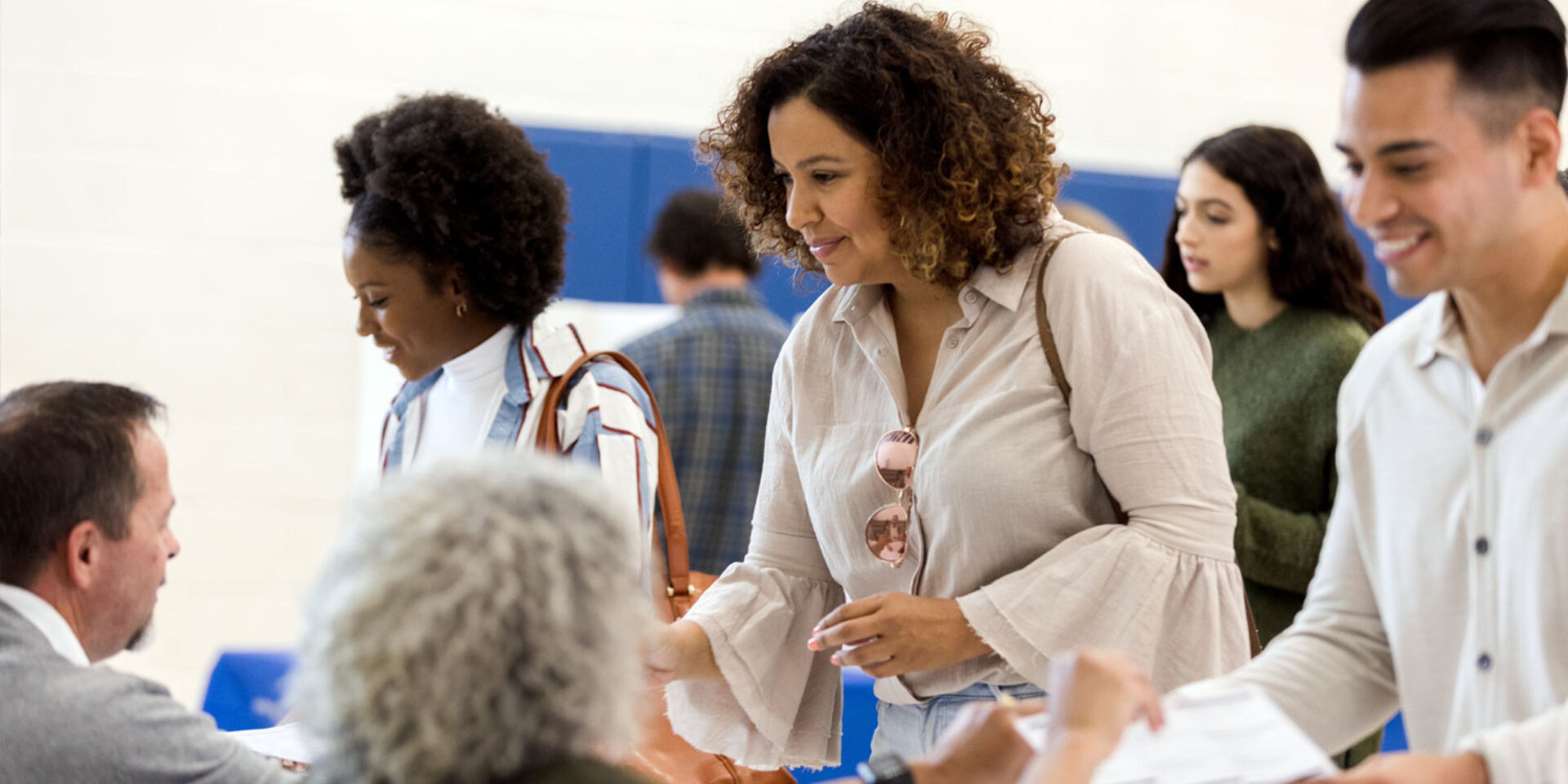
Three adults are standing in front of a registration table, receiving information.

Postsecondary Enrollment

Overview

Overview

Enrolling in postsecondary education connects young people to the skills and opportunities needed for economic opportunity.

StriveTogether works with partners nationwide to use data, align systems and strengthen pathways that support students to continue their education after high school through paths like college, technical programs and apprenticeships.

It’s important for postsecondary institutions to be part of partnerships and part of these pathways so we can help students navigate the process.

Dr. Jennifer Lindon, president and CEO of Hazard Community and Technical College

Appalachia, Kentucky
See How Appalachia Increased Enrollment
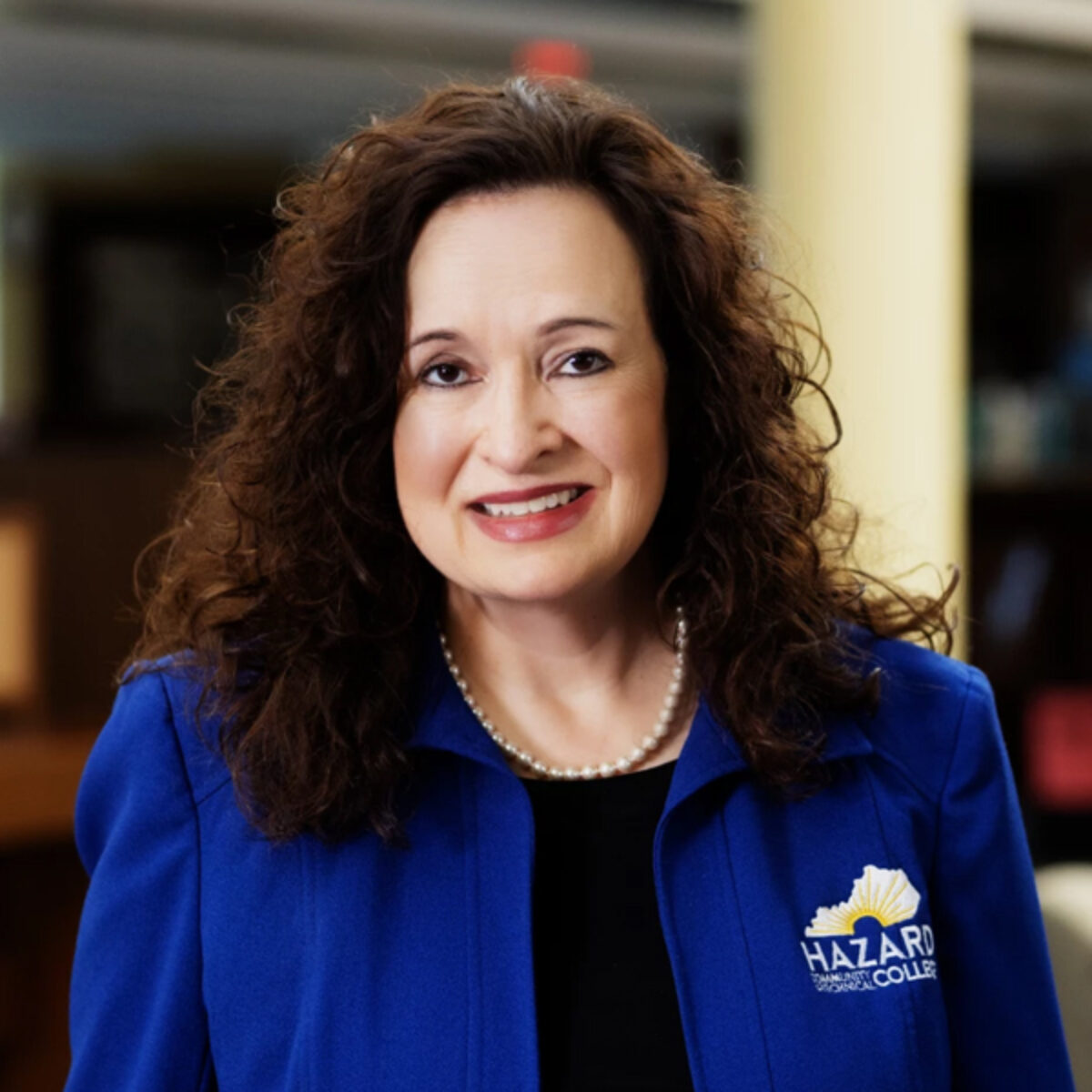
Dr. Jennifer Lindon, president and CEO of Hazard Community and Technical College, smiles at the camera.
The Challenge Why It Matters
Why It Matters

Students who enroll in postsecondary education:
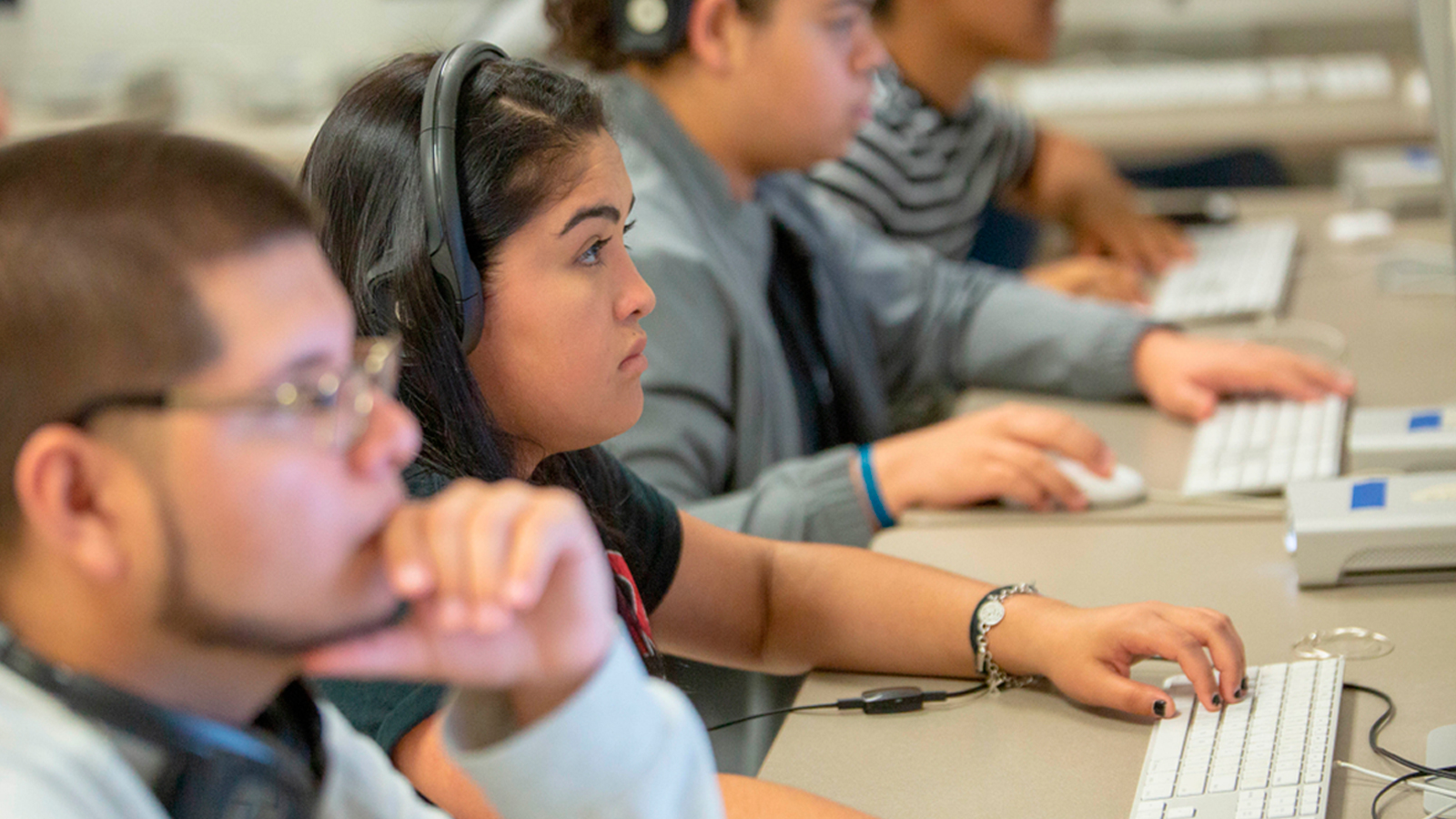
A row of college-aged students sit at computers.

Access higher earnings and economic mobility

About 72% of U.S. jobs are expected to require education or training beyond high school by 2031 (Georgetown University Center on Education and the Workforce). That makes postsecondary enrollment a powerful part of economic success. Individuals with associate degrees earn about $400,000 more over a lifetime than those with only a high school diploma, while bachelor’s degree holders earn nearly $1 million more (Census Bureau). 

Higher enrollment and completion rates are also linked to lower unemployment, stronger tax bases, increased civic engagement and better health outcomes for individuals and communities.

Complete a credential or degree

Students who enroll in postsecondary education soon after high school are more likely to persist and complete a credential or degree. Early enrollment helps students build momentum, set up their academic identity and access support that encourages them to continue. 

Delays in enrollment can increase the risk of stopping out, which makes the transition from high school especially important.

Benefit from aligned systems of support

Postsecondary enrollment rates reflect how well K-12 schools, postsecondary institutions and community partners align to support students through transitions. Low or uneven enrollment rates can tell us where there are barriers in advising, affordability or navigation. 

Strong enrollment outcomes show us that systems are working together to help students succeed.

What Drives Change
What Drives Change

Communities that expand postsecondary enrollment ensure access to:
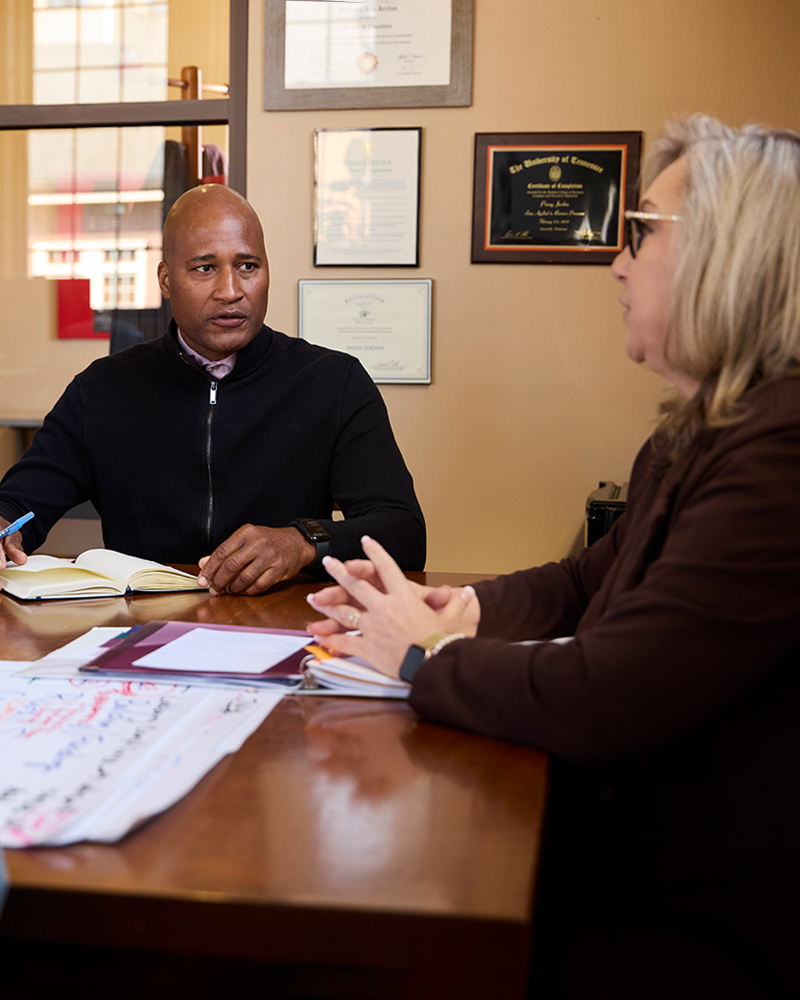
A man and a woman sit at a conference room table talking.

Clear transition planning and advising

Students are more likely to enroll and persist in postsecondary education when they receive proactive, consistent advising that helps them plan for life after high school. Support with key steps like applications, financial aid and enrollment reduces confusion so that students can take every opportunity. 

Advising needs to be aligned across K-12 schools, postsecondary institutions and community partners. This coordination can help students feel more confident taking their next step.

Rigorous preparation and access to options

Postsecondary enrollment increases when students are academically prepared, and when they understand the full range of options available to them after high school. Students build confidence through access to rigorous coursework, career and technical education, dual enrollment, and clear information about trade and apprenticeship pathways.

When students see meaningful options and feel ready to pursue them, they’re more likely to enroll in college, credential programs or career training.

Aligned partnerships and supports

Communities increase postsecondary enrollment when schools, colleges, employers and community partners coordinate around shared goals and data. Aligned systems — including advising, financial aid support and family engagement — create clearer pathways after high school. 

Expectations and support need to connect across systems so that students can take their next steps toward long-term success.

When a young person can be connected to a caring adult who knows the world of college access and navigation — working with them and their family — we can see some real wins.

Meghan Smith, director of the Center for Postsecondary Success at Spartanburg Academic Movement

Spartanburg, South Carolina
See How Access Creates Opportunity
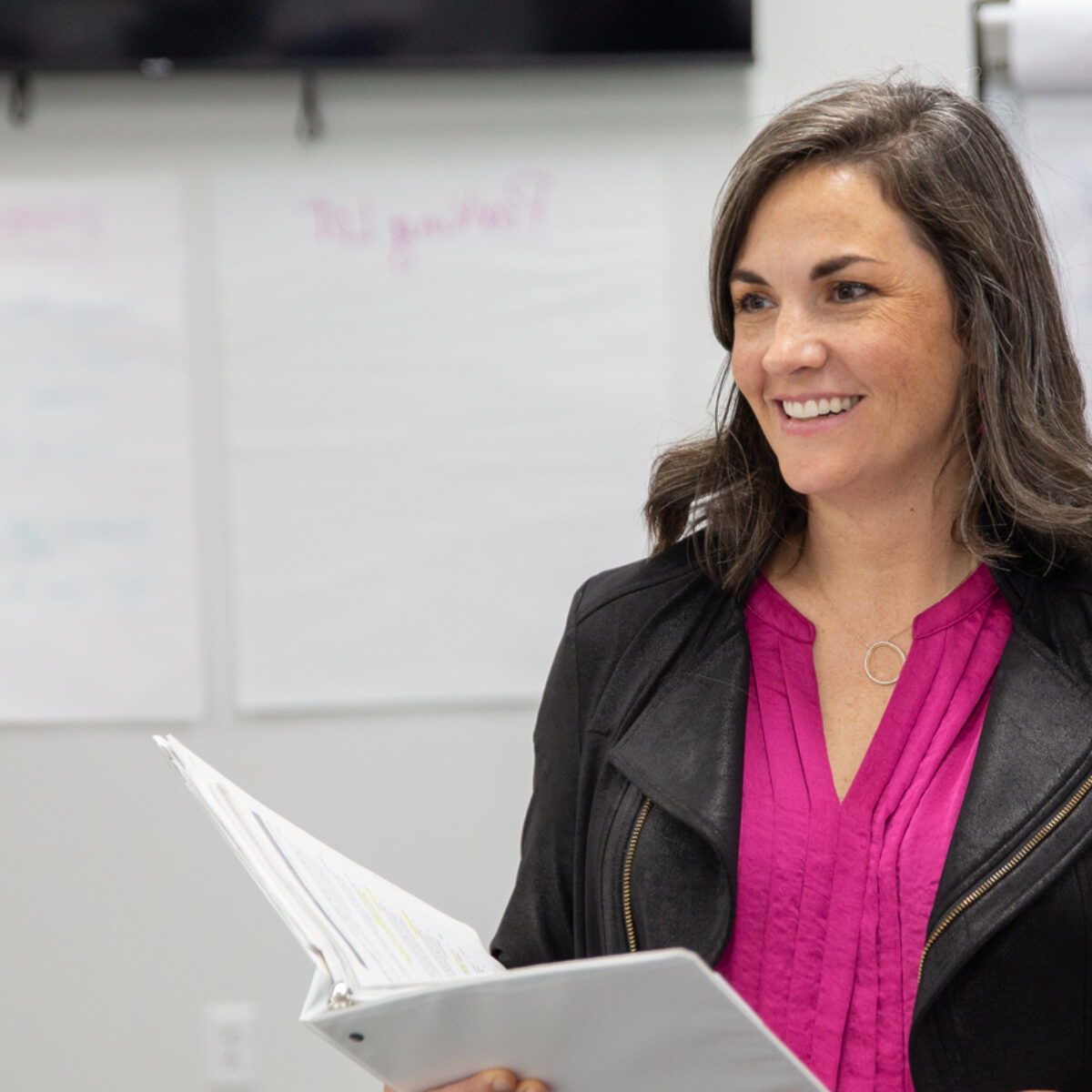
Meghan Smith, director of the Center for Postsecondary Success at Cradle to Career Network member Spartanburg Academic Movement, stands at the front of a room holding a binder open.
Continuing Challenges

Postsecondary enrollment remains out of reach for many students without support.
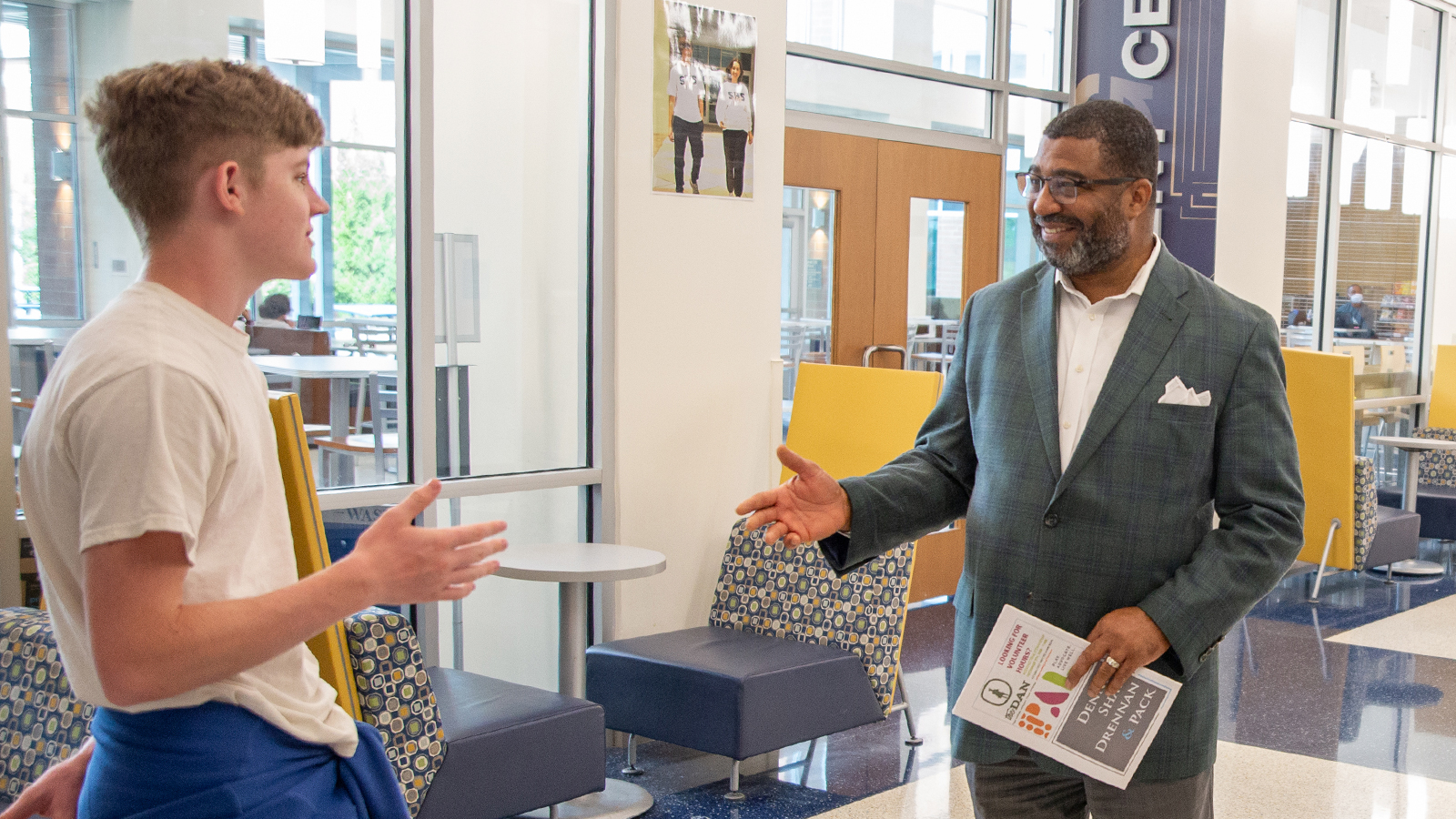
Dr. Russell W. Booker, CEO of Spartanburg Academic Movement, stands with his hand outreached to shake a high school student's hand. They're standing in the school lobby.

Navigating the process is complex

The process of enrolling in postsecondary education involves many steps: applications, financial aid, requirements and deadlines. For lots of students, especially those without strong guidance or family experience navigating these systems, the process can be overwhelming. 

Missed steps or unclear information can prevent students from enrolling, even when they intend to continue their education after high school.

Cost and affordability remain major concerns

Concerns about cost are a significant barrier to postsecondary enrollment. Tuition, fees, living expenses and uncertainty about financial aid can discourage students from enrolling or make them delay their plans. 

Even when aid is available, it can come with complex processes and a lack of clear information. These challenges can prevent students from accessing support, which limits enrollment in programs that lead to economic opportunity.

Pathways beyond college are less visible

College is one pathway after high school. Many students aren’t aware of other postsecondary options, like technical training, apprenticeships or credential programs. 

When information about these pathways is inconsistent or hard to find, students might delay enrollment or choose options that don’t align with their goals. Clear, visible pathways are essential to helping students take the next step that’s best for them.

Playbook
Related Resources

Related Resources and Courses

Up Next Next Outcome: Postsecondary Completion

Loading term details...

Error loading term details. Please refresh the page and try again.

Term Name