Building Pathways to Opportunity in Appalachian Kentucky
Overview
The Appalachian Cradle to Career Partnership (APPC2C) is aligning schools, colleges, employers and community organizations across southeastern Kentucky to ensure every young person has a path to opportunity, right where they live.
As a place-based partnership in the StriveTogether Cradle to Career Network, APPC2C is expanding access to dual credit, paid internships, STEM learning and wraparound support, aimed at supporting 13,000 more young people on the path to economic mobility by 2030.
-
Place-based partnerships open doors
By aligning schools, colleges, employers and community organizations around shared data and goals, APPC2C has built a cradle-to-career ecosystem.
-
Hands-on learning builds real pathways
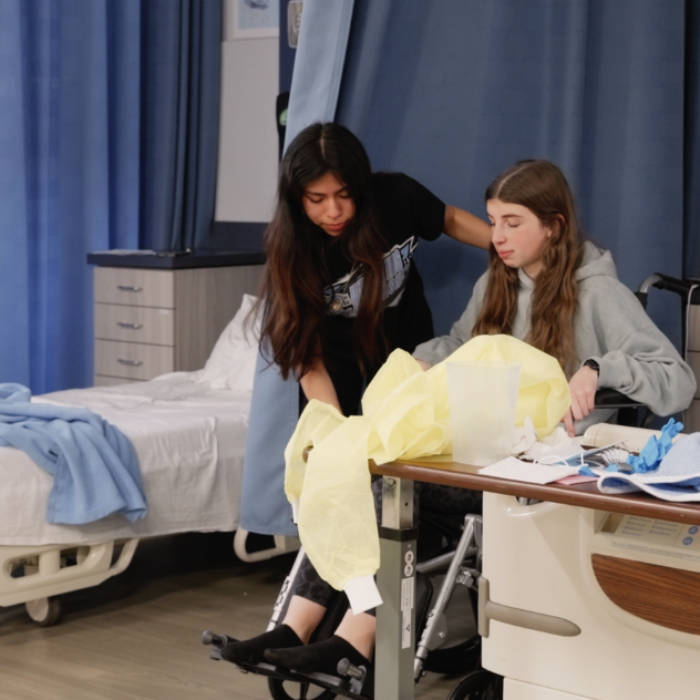
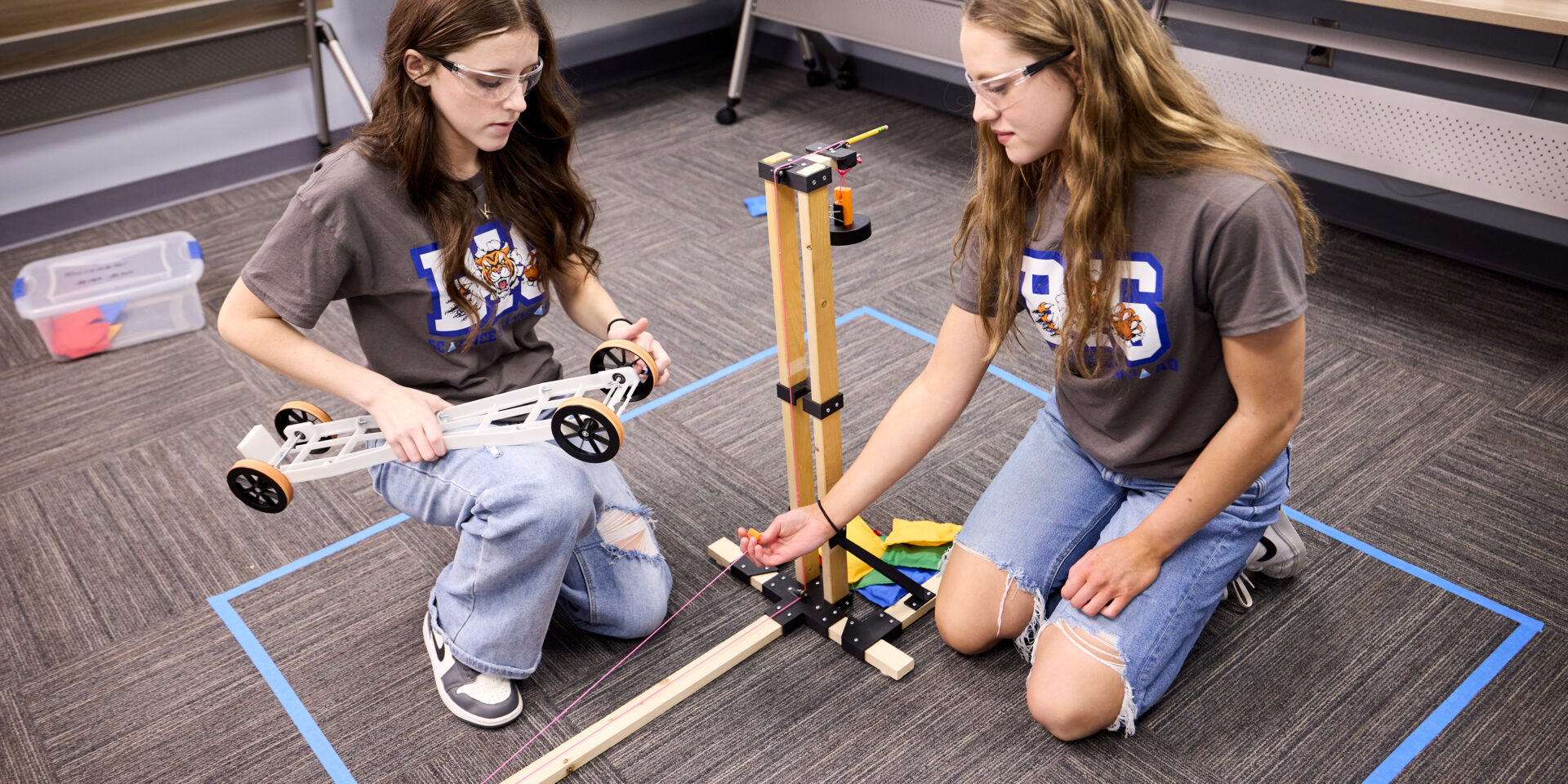
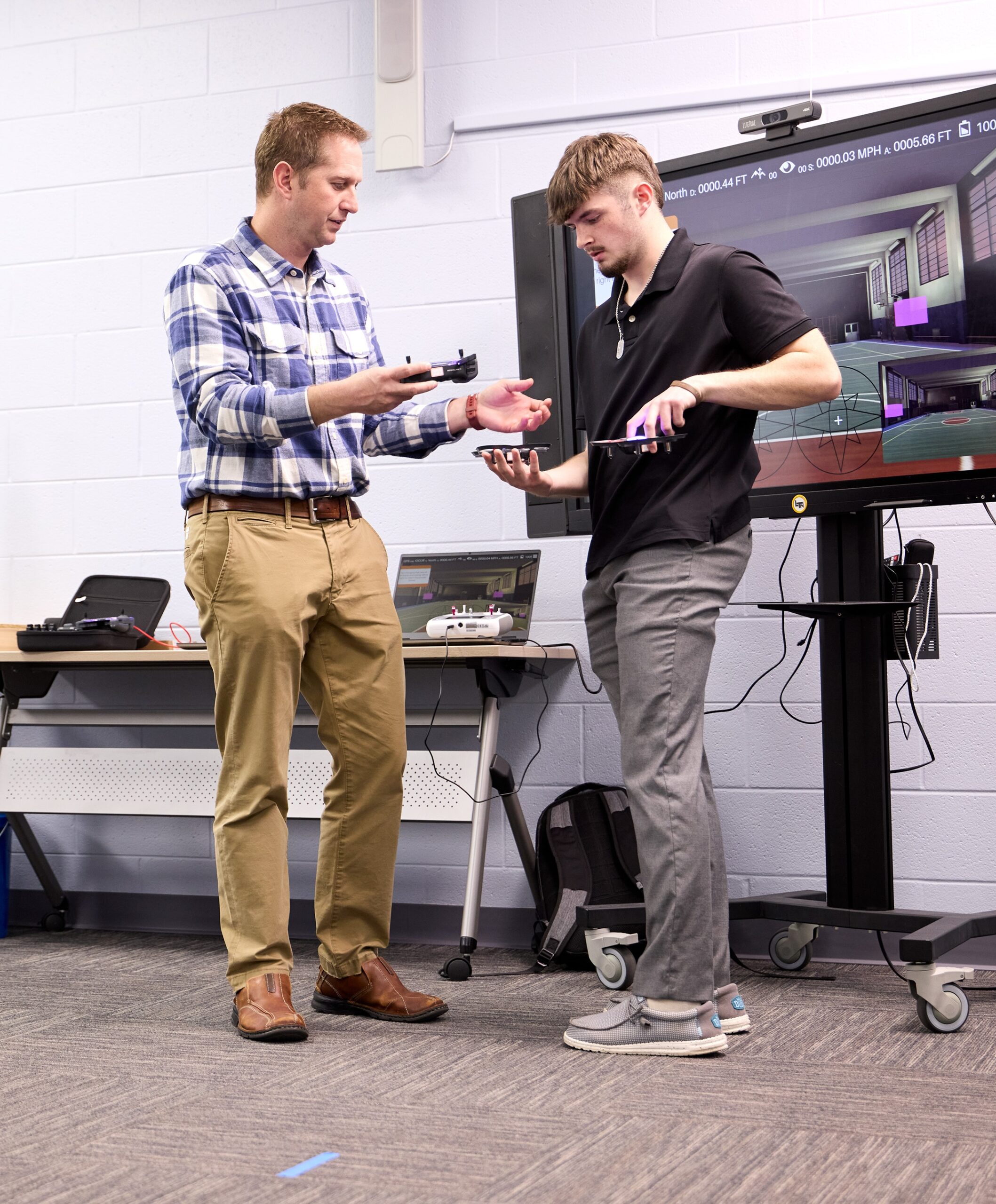
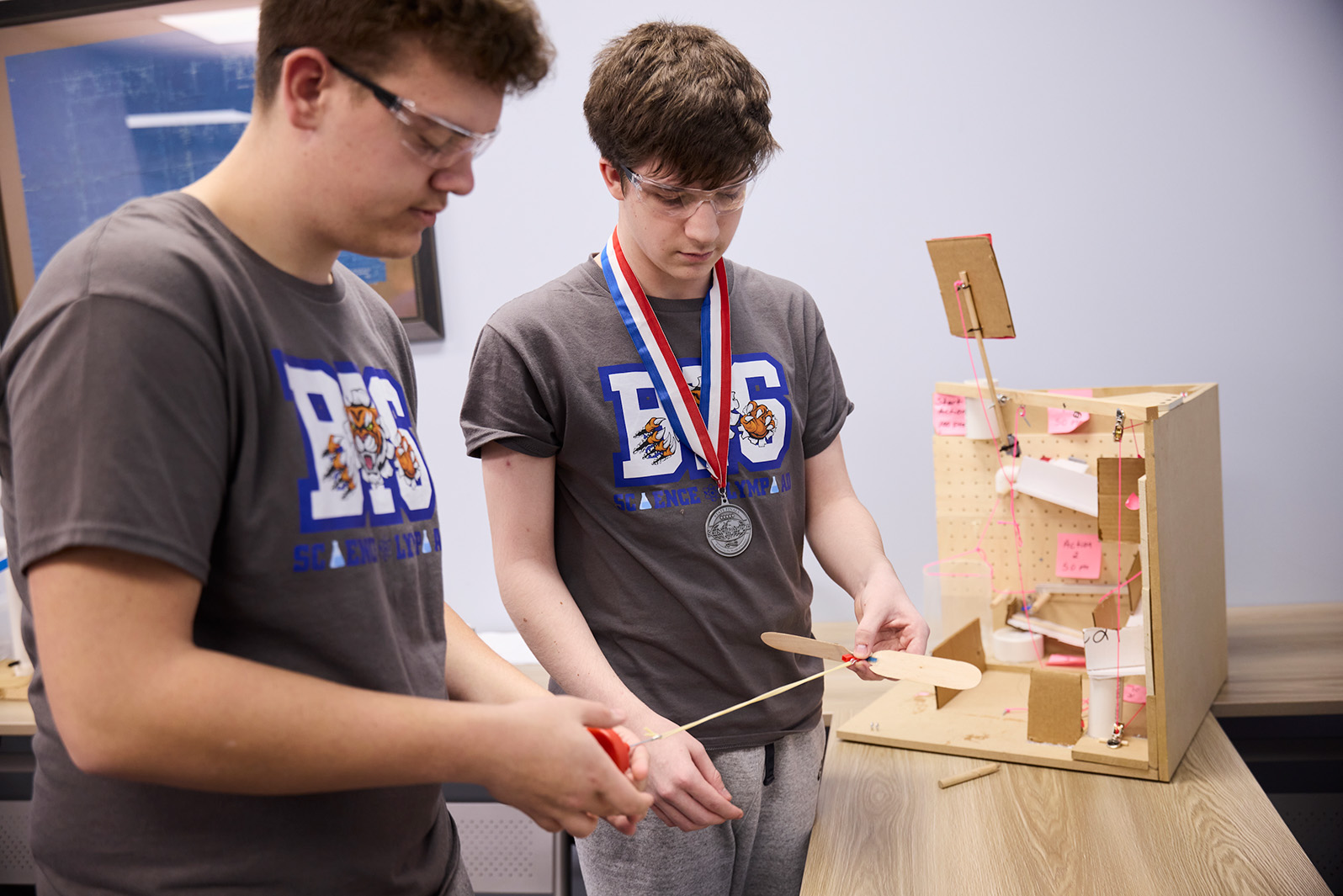
From paid internships and drone certifications to dual-credit courses and STEM competitions, student are gaining skills, credentials and confidence.
-
Results prove what’s possible in rural communities
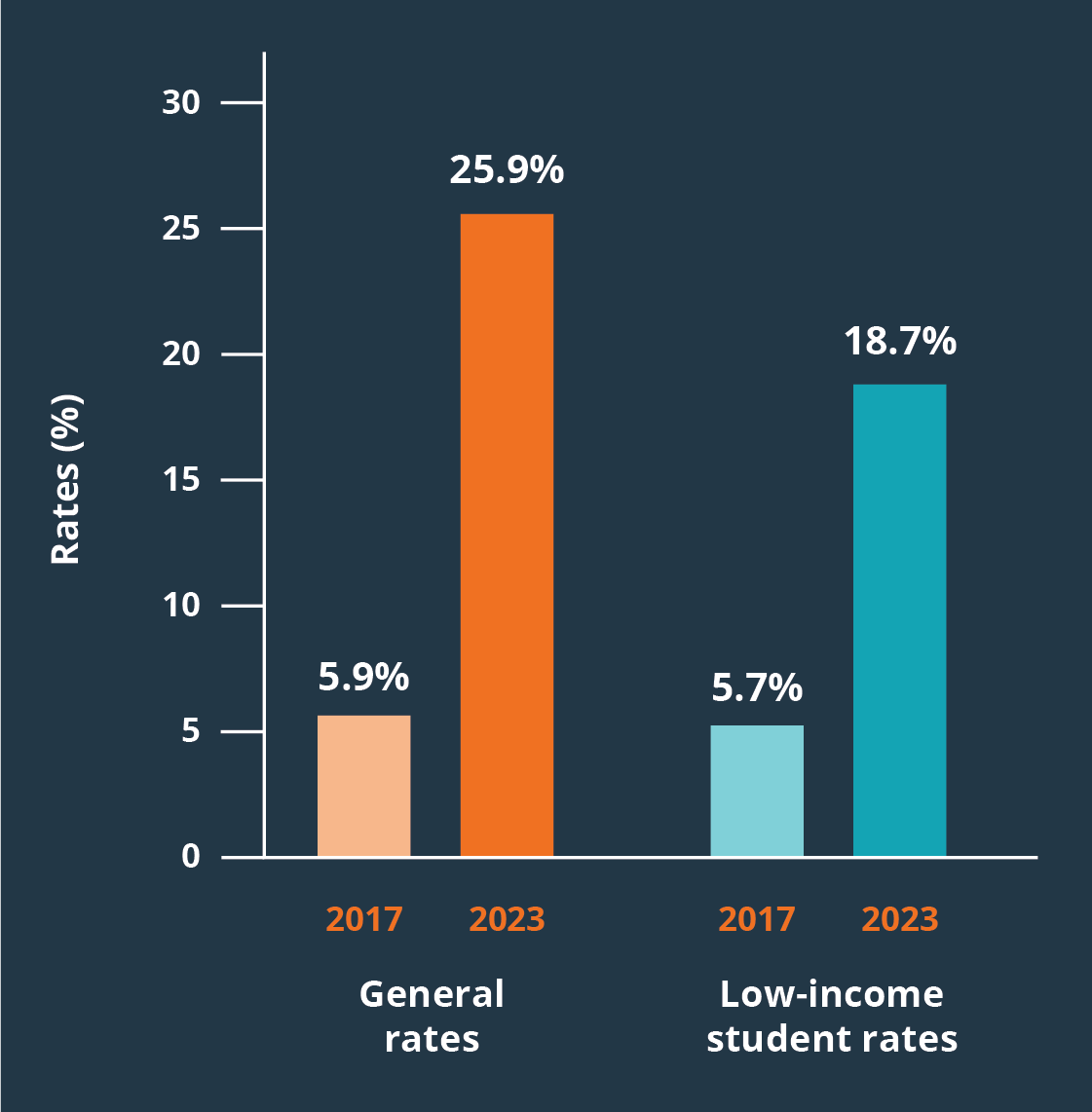
Postsecondary completion rates in the APPC2C region climbed from 5.9% in 2017 to 25.9% in 2023.
National Background
In many communities across southeastern Kentucky, the availability of postsecondary and career pathways depends on what exists close to home. For young people, the journey to postsecondary education often feels both physically and financially out of reach. The Appalachian Cradle to Career Partnership (APPC2C) is working to change that reality. This place-based partnership brings together educators, community organizations and postsecondary partners to create a seamless cradle-to-career journey for youth.
Nationally, the urgency for pathways work is clear. College completion rates in the United States remain a persistent challenge. Nationally, only 62% of students at four-year institutions and 32% at community colleges graduate within six years.
For rural students, the pathway to a degree is even steeper. They are 10% less likely than their urban peers to enroll in postsecondary programs within a year of high school graduation (NCES, 2022). Data from the U.S. Department of Education shows that just 71% of students who attended rural high schools had ever enrolled in postsecondary education three years after graduation, compared to 76% of their suburban peers. Nearly one in four rural students had never enrolled at all.
These gaps in college access, postsecondary enrollment and degree completion reflect the barriers rural students face, from limited access to postsecondary institutions to fewer local career and technical education options.
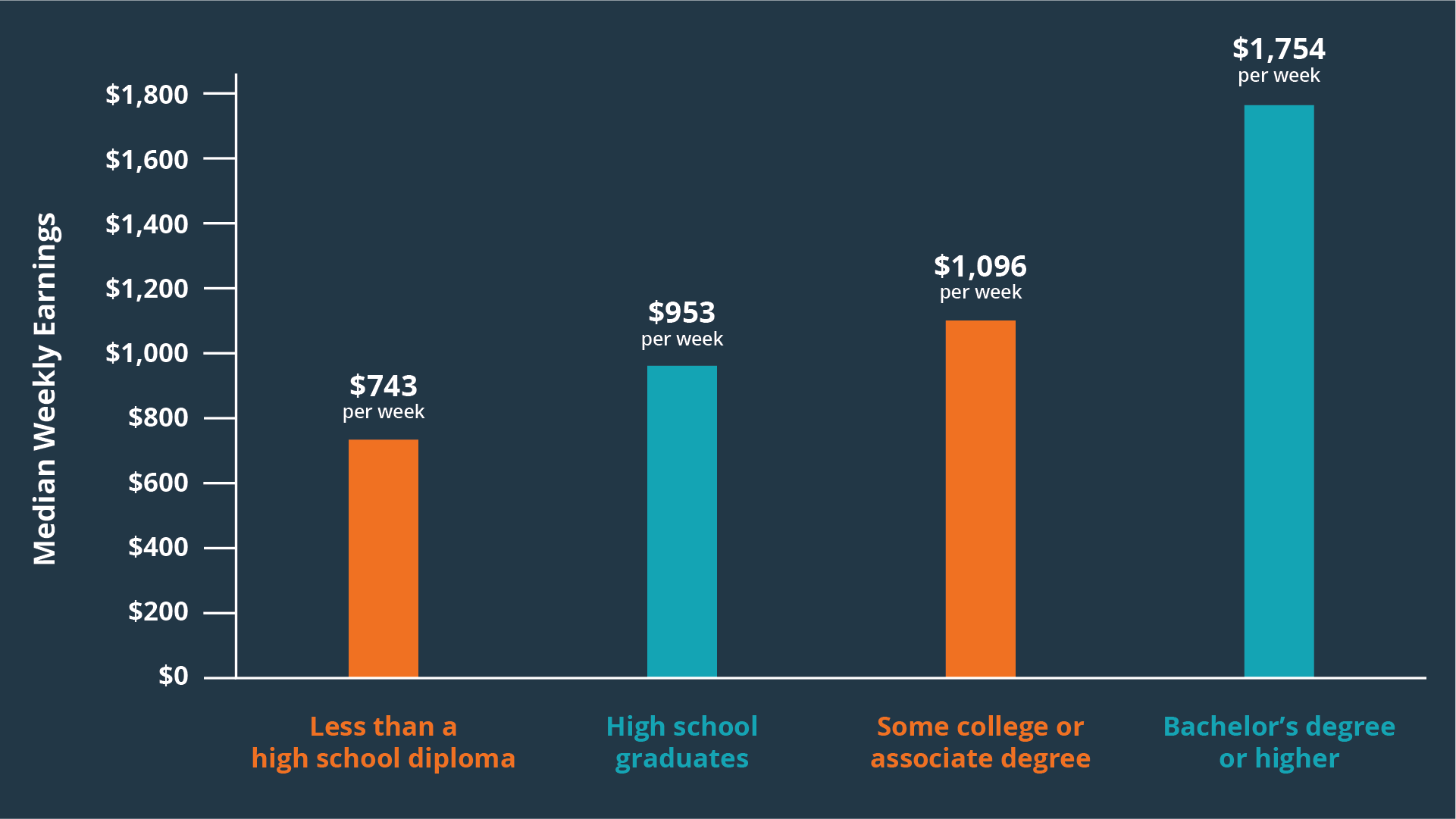
Access to postsecondary education is one of the most powerful drivers of economic mobility, leading to higher earnings and lower unemployment. In the first quarter of 2025, full-time workers aged 25 and over without a high school diploma had median weekly earnings of $743, while high school graduates with no college education earned $953. Those with some college or an associate degree had median weekly earnings of $1,096. College graduates holding at least a bachelor’s degree had median weekly earnings of $1,754 (U.S. Bureau of Labor Statistics).
Short-term certificates and trade programs also open doors to well-paying careers. About 78% of short-term certificates are associated with median earnings at or above a living wage within two years of completion, with the strongest results in health, manufacturing and other workforce-aligned programs.
When these kids see that things are happening right now in my community, right at my back door, and I can be a part of that, it gives them, and the region, a brighter future.
Charles Bush, office manager at the Challenger Learning Center of Kentucky
Hazard, Kentucky
Local Context
Families across Appalachia have long felt the effects of a shifting economy. For generations, coal mining provided stable, well-paying jobs for workers without postsecondary credentials. As that industry declined, so did many of the economic foundations that supported communities. While coal has historically defined the region’s economy, several other sectors are now reshaping opportunity.
Major investments in tourism and outdoor recreation are creating new jobs connected to conservation, hospitality and recreation. Health care and education continue to be dominant employment sectors, offering stable career pathways for local residents. Regional chambers are also working with APPC2C to strengthen career pathways in manufacturing and infrastructure. Together, these shifts are prompting leaders and families to reimagine the region’s economic future.
Rural Appalachia is defined by its tight-knit communities, deep sense of place and strong collaboration. Across the region, educators, nonprofits and postsecondary partners are working together to expand postsecondary pathways — intentionally designed journeys that guide students from high school toward college, credentials or careers
These pathways integrate academic preparation with real-world experiences and support services, helping young people make informed choices, build skills and transition into their next step. They can include dual-credit and credentialing programs, career and technical education, work-based learning, internships and other opportunities that prepare students for success after graduation, whether in college, career training or the workforce.
High-quality pathways are aligned with local labor markets and developed in partnership with employers. They ensure that students gain the academic foundation, real-world exposure and support they need to pursue economic opportunity.
In communities across Appalachia, students are engaging in hands-on STEM learning, enrolling in dual-credit and credentialing programs and exploring careers connected to local job markets. Families are active partners, helping students make informed decisions and stay on track. Local employers play a vital role by shaping career-aligned learning and opening doors to internships and mentorship.
With shared goals and a focus on data, partners are identifying barriers, improving supports and expanding opportunities. These efforts are rooted in the culture and economy of the region, ensuring postsecondary pathways reflect the strengths and needs of Appalachian youth.
So often I see students who dreamed of becoming an astronaut, a chef or an engineer. But because the pathway wasn’t developed, they didn’t get the classes they needed. They start doubting themselves and think, ‘I don’t think I can reach that dream any longer.’…We want students to realize their dreams.
Dr. Jennifer Lindon, president and CEO of Hazard Community and Technical College
Hazard, Kentucky
By uniting organizations, agencies and individuals, APPC2C amplifies its collective voice when securing funding and influencing policy. Over the years, this unity has led to tangible results — from expanded learning opportunities to stronger alignment between education and workforce systems.
This vision resonates across the region. Dr. Jennifer Lindon, president and CEO of Hazard Community and Technical College, has seen what happens when pathways aren’t in place.
“So often I see students who dreamed of becoming an astronaut, a chef or an engineer,” she said. “But because the pathway wasn’t developed, they didn’t get the classes they needed. When they get to high school or college, they’re missing prerequisites in science, arts or math. They start doubting themselves and think, ‘I don’t think I can reach that dream any longer.’ We don’t want students doing that. We want students to realize their dreams.”
Tee Pennington, first assistant Clay County attorney, frames it as inspiring possibility for the next generation and raising the bar for what each generation believes is possible. “I think a lot of what we try to do is exactly that — inspiring generations after to be better, to be better than what I am — to say, ‘Hey, I can be an attorney. I can be the president, I can be an astronaut. I can be whatever I inspire to be.’”
For Pennington, this is about more than career goals. It’s about building a culture where young people see tangible examples of success in their own communities and believe they can dream big, knowing there’s a pathway to get there.
APPC2C’s ability to convene and coordinate to make this culture possible is strengthened by being part of the national StriveTogether Cradle to Career Network.
“Being part of StriveTogether provides idea generation, mentorship and validation,” said Dr. Melissa Newman, executive director of APPC2C. “This work is messy, it’s woven together, and it’s easy to second-guess yourself. But when you meet with other cradle-to-career leaders who are facing similar challenges, it empowers you to keep going.”
That national connection brings fresh strategies into the region while ensuring local efforts are informed by what’s working in communities across the country.
Strategy and Impact
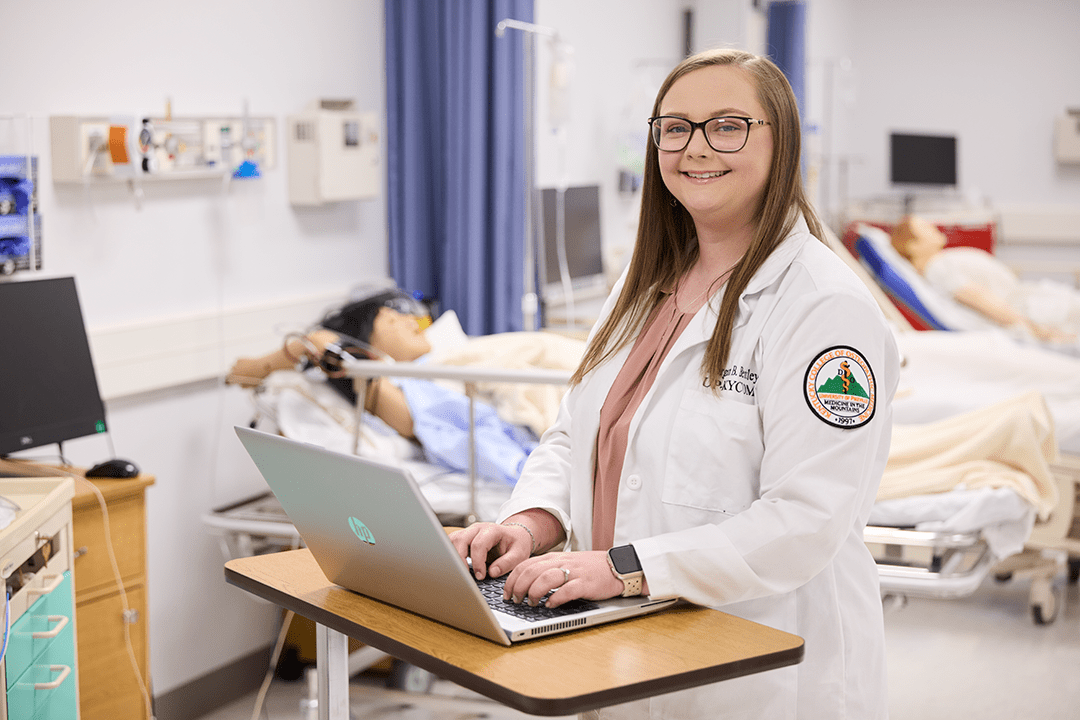
In the APPC2C region, this collective vision takes shape through a diverse array of postsecondary pathways: accredited local training programs that connect directly to in-demand jobs, transfer agreements with universities that create seamless routes to four-year degrees and robust career and technical education that equips students with industry-recognized credentials. Students can also access dual-credit courses, work-based learning, internships and other opportunities that build both skills and confidence.
Together, these pathways prepare young people to take the next step — whether that means enrolling in college, earning a technical credential or entering the workforce. These efforts show students and the wider community that pathways to opportunity can be built at home.
In Appalachian Kentucky, postsecondary completion isn’t just a milestone, it’s a lifeline. Through initiatives like GEAR UP and strong place-based partnerships, we’re ensuring that students not only dream bigger but also have the support to reach those dreams.
Dr. Melissa Newman, executive director of the Appalachian Cradle to Career Partnership
Appalachia, Kentucky
The Power of Place Based Partnerships
Across the region, postsecondary completion rates have climbed from 5.9% in 2017 to 25.9% in 2023. Among low-income students, completion rates increased from 5.7% to 18.7% during the same period. These gains underscore the power of aligned leadership, strategic partnerships and place-based approaches in preparing rural students for lasting success in college, career and community life.
APPC2C shows that place-based partnerships, when anchored in data-driven decision-making and community ownership, can produce measurable, lasting results. Leaders who intentionally connect K-12 learning with postsecondary pathways make college and careers tangible for students.
Disaggregated local data helps communities identify specific barriers, such as gaps in access to advanced coursework or academic supports and develop targeted interventions. This tailored approach improves outcomes while deepening pride and investment among families, educators and community partners.
“The beauty of a place-based partnership is that you’re building with the community. When you do it right, the people think they did it themselves, and that’s when it lasts,” said Dr. Newman. Through this model, rural Appalachia demonstrates how sustained collaboration and grassroots leadership can create effective postsecondary pathways.
StriveTogether’s support has been foundational to APPC2C’s progress. The StriveTogether Theory of Action™ has provided structure for continuous improvement, data use and accountability across K-12, postsecondary, business and community partners. StriveTogether has strengthened the partnership’s policy advocacy capacity, helping secure $500,000 in the Kentucky state budget to advance cradle-to-career work. It has also connected Appalachian efforts to national best practices through peer learning and alignment across local partnerships.
In Barbourville, early STEM engagement builds interest and confidence in technical fields, which is then reinforced through dual-credit courses with Southeast Kentucky Community and Technical College, targeted advising from Hazard Community and Technical College and workforce certifications aligned to regional demand. Learn and Earn internships extend these pathways into the workplace, giving students hands-on experience, professional skills and meaningful connections to local employers.
Together, these efforts ensure that young people can navigate clear, supported pathways toward economic mobility, expanding opportunity while strengthening the communities they call home.
Lessons Learned
Through local leadership, cross-sector collaboration and a sustained focus on cradle-to-career pathways, APPC2C shows that rural communities can lead in building the postsecondary futures their young people deserve.
Building authentic relationships has proven just as important as launching new programs. Convening superintendents, college presidents and business leaders together has helped break down silos that often keep sectors from working together. By co-designing strategies across these leaders, the region has developed stronger approaches that reflect both educational and economic priorities.
Another lesson has been the importance of aligning around policies that address structural barriers. For example, House Bill 723 (2024) created a nonprofit matching fund that opens access to resources many small rural organizations would not otherwise have. By organizing around this kind of policy solution, APPC2C has strengthened its nonprofit partners and expanded opportunity in the regional funding landscape. This approach has already yielded tangible results, including $500,000 secured in the Kentucky state budget for Partners for Rural Impact and a grant-matching pool that will benefit more than 250 nonprofits across the region.
The team has also recognized that place-based solutions must respond to local strengths. Outdoor recreation, conservation and health care are all emerging strengths in the region. By leaning into these sectors, the partnership is broadening the set of opportunities available to young people and families while also ensuring that strategies reflect the economic realities of the place. This approach moves beyond simply replacing lost industries and instead invests in a diversified, resilient future.
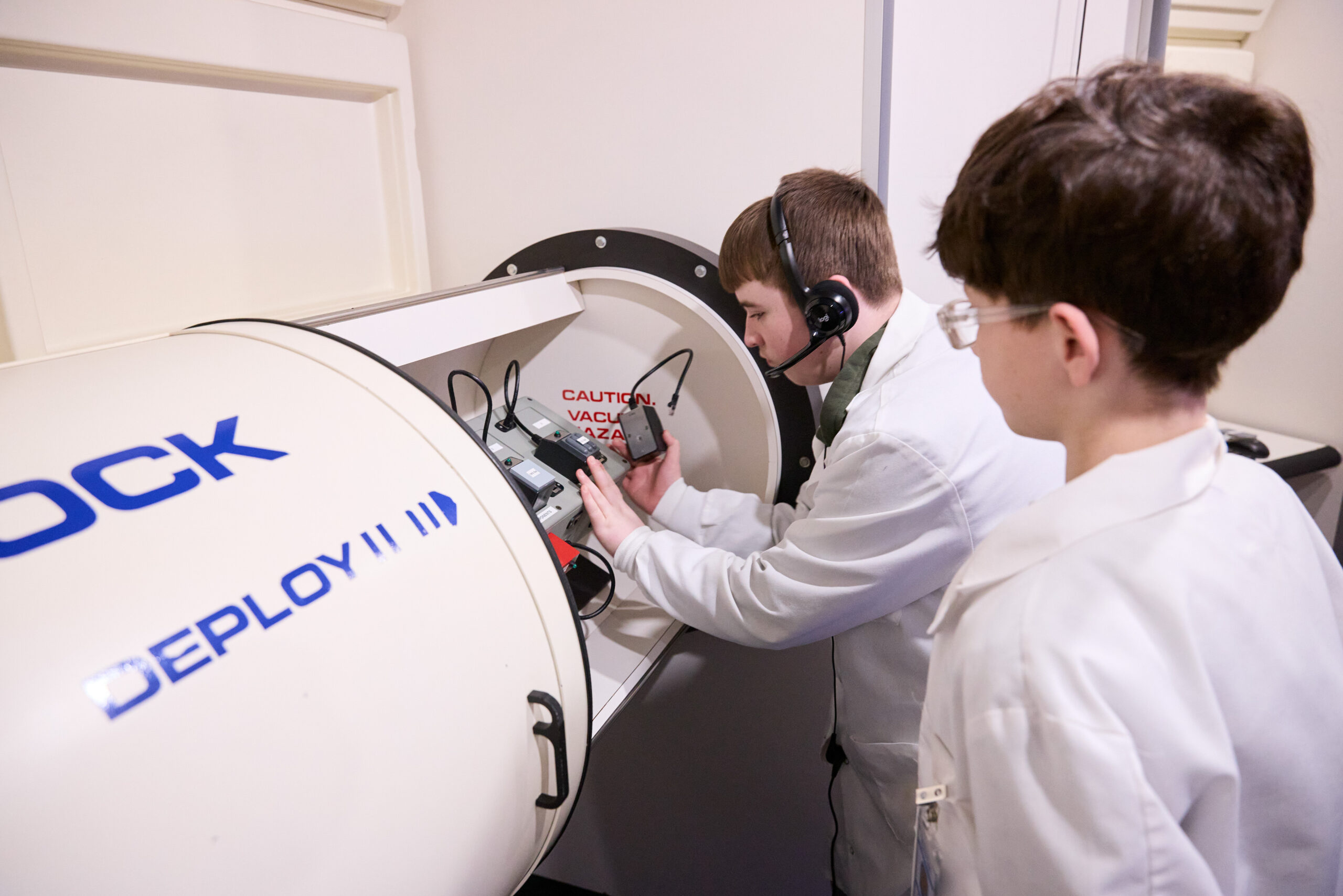
At the same time, APPC2C has seen how early and hands-on exposure to STEM and other postsecondary aligned programs can change student trajectories. Robotics competitions, drone piloting certifications and project-based STEM courses have helped students picture themselves in high-demand careers before they leave high school. These experiences connect classroom learning to real-world applications, build problem-solving skills and confidence, and motivate students to pursue rigorous coursework.
By embedding these opportunities into the school environment, APPC2C has positioned college, technical training and skilled careers as both relevant and attainable, shifting community expectations about what is possible for young people.
Leadership has played a pivotal role in these lessons. Principals, teachers and community coordinators who intentionally connect K-12 experiences with postsecondary pathways lay the foundation for lasting success. Barbourville’s work, for example, illustrates how early investment in STEM, access to real-world technical tools and clear bridges to college and career can shift student and family mindsets. These leaders have shown that when schools, families and local organizations collaborate, solutions become culturally relevant, sustainable and truly responsive to community needs.
Future VisionFuture Vision
APPC2C has clearly defined goals around postsecondary pathways, including high school graduation, postsecondary enrollment and completion and employment. A central goal is that every youth should have a paid work experience before leaving high school or their first year of college, ensuring stronger transitions into meaningful careers.
This commitment is embedded in APPC2C’s partnerships with K-12, postsecondary education and the business community and reinforced by the alignment of 16 school districts and all Kentucky Community and Technical College System (KCTCS) colleges in the region to cradle-to-career outcomes.
Together, these goals are shaping what comes next. APPC2C is scaling its paid work experience program so that more students can gain practical skills and career exposure. This initiative will provide youth in all 54 Appalachian Kentucky counties with work-based learning opportunities, ensuring access to real-world experience regardless of geography.
The partnership is also deepening nonprofit capacity through a grants consortium designed to strengthen rural organizations over the long term. And it is sustaining cross-sector collaboration at both local and state levels, ensuring that policy, resources and data remain aligned in service of better outcomes. Guided by the StriveTogether Theory of Action™, APPC2C continues to build the civic infrastructure needed for systems transformation, demonstrating how rural communities can reimagine opportunity from cradle to career.
New and evolving pathways demonstrate this momentum. In collaboration with three KCTCS colleges, APPC2C has co-developed workforce-aligned curricula, including outdoor recreation and conservation programs connected to Boone’s Ridge, a multi-million-dollar tourism and workforce development project in Bell County. Additional pathways in news and information, civic engagement and grant writing credentialing are underway, with future plans to add private fundraising training programs at community colleges. A higher education fellowship model is also being designed to better coordinate dual-credit opportunities across the region, giving students more streamlined pathways toward postsecondary completion.
APPC2C is now focused on sustaining and deepening its impact. Data and continuous improvement remain central — serving as both the compass and the roadmap for adapting strategies, measuring progress and addressing opportunity gaps. This evidence-driven approach ensures programming remains relevant to the needs of rural youth.
By combining rigorous data use, strong community engagement and place-based strategies, APPC2C offers a scalable blueprint for educational and economic advancement, proving that systems transformation can deliver lasting opportunities for all students.
More Stories of Impact
Stronger Future Spotlight: Crayons and Culture in Baltimore