Building youth leadership into local systems: “A seat at the table, not just a seat in the program”
Young people believe they can make a difference, and many are still waiting for adults to make room. In a 2026 poll from UNICEF USA and The Harris Poll, 82% of young people ages 14 to 22 said people their age can make a difference, and only 30% said they feel included in the decisions that affect them. The poll also found that 62% said local leaders are invested in their future, compared with 42% who said the same about leaders in Washington, D.C.
That trust in local leaders gives place-based partnerships an opening. These partnerships bring together neighbors, including youth and families, with nonprofits, businesses, schools and more to build a future where young people can thrive. At the 2026 StriveTogether Cradle to Career Network Convening, leaders from Baltimore’s Promise , a StriveTogether Network member and place-based partnership in Maryland, showed what that work looks like when young people help lead it.
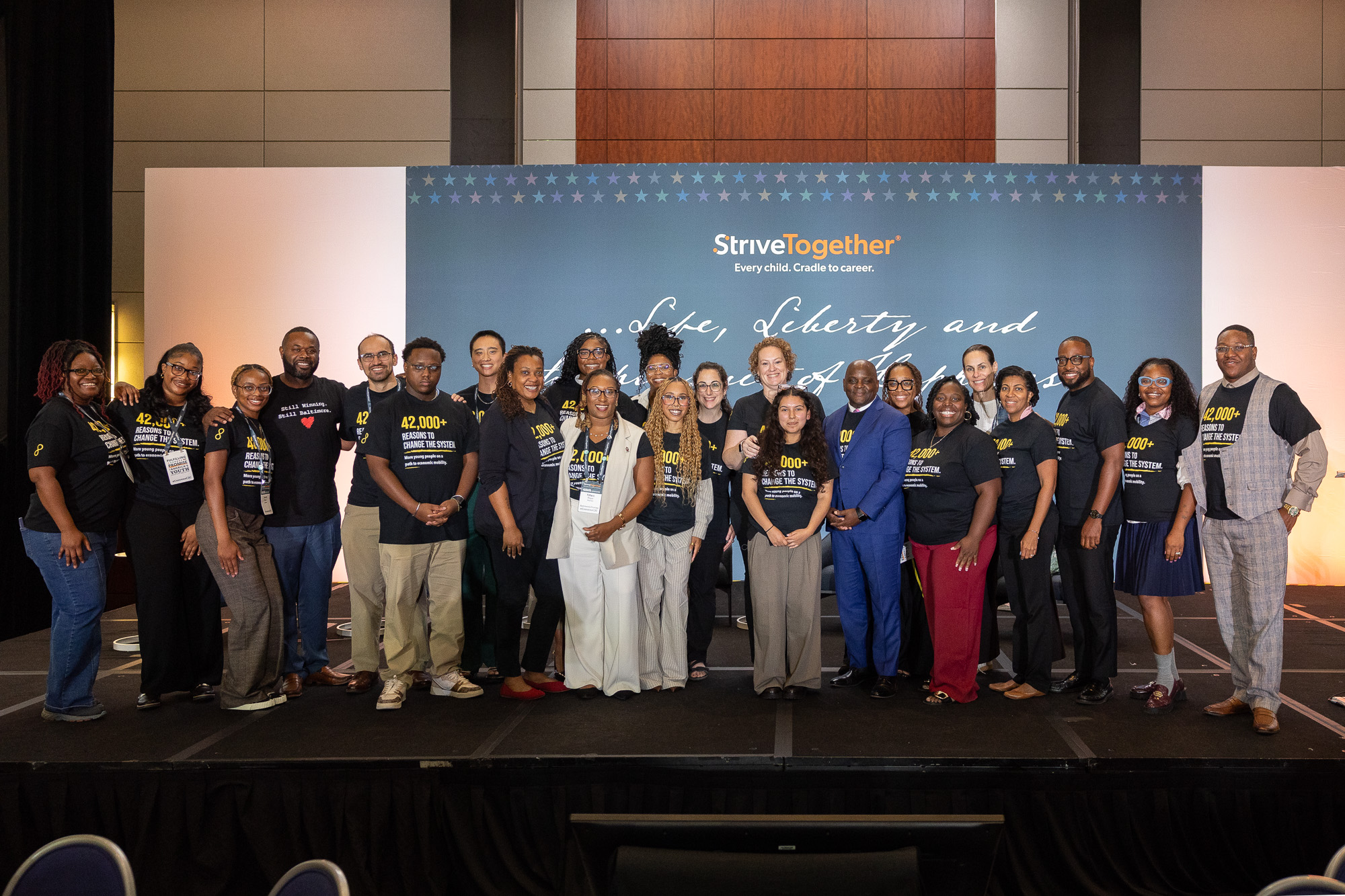
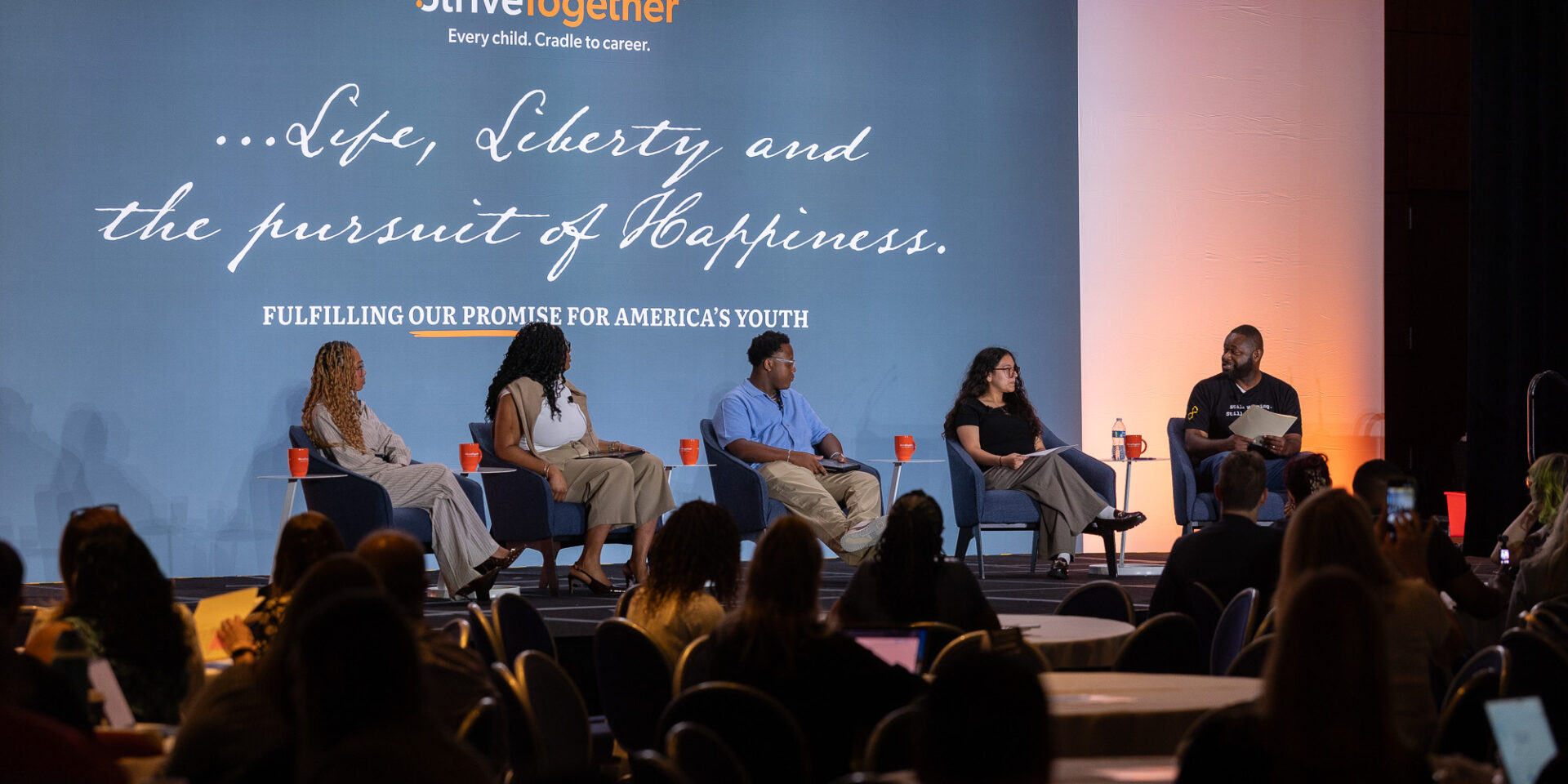
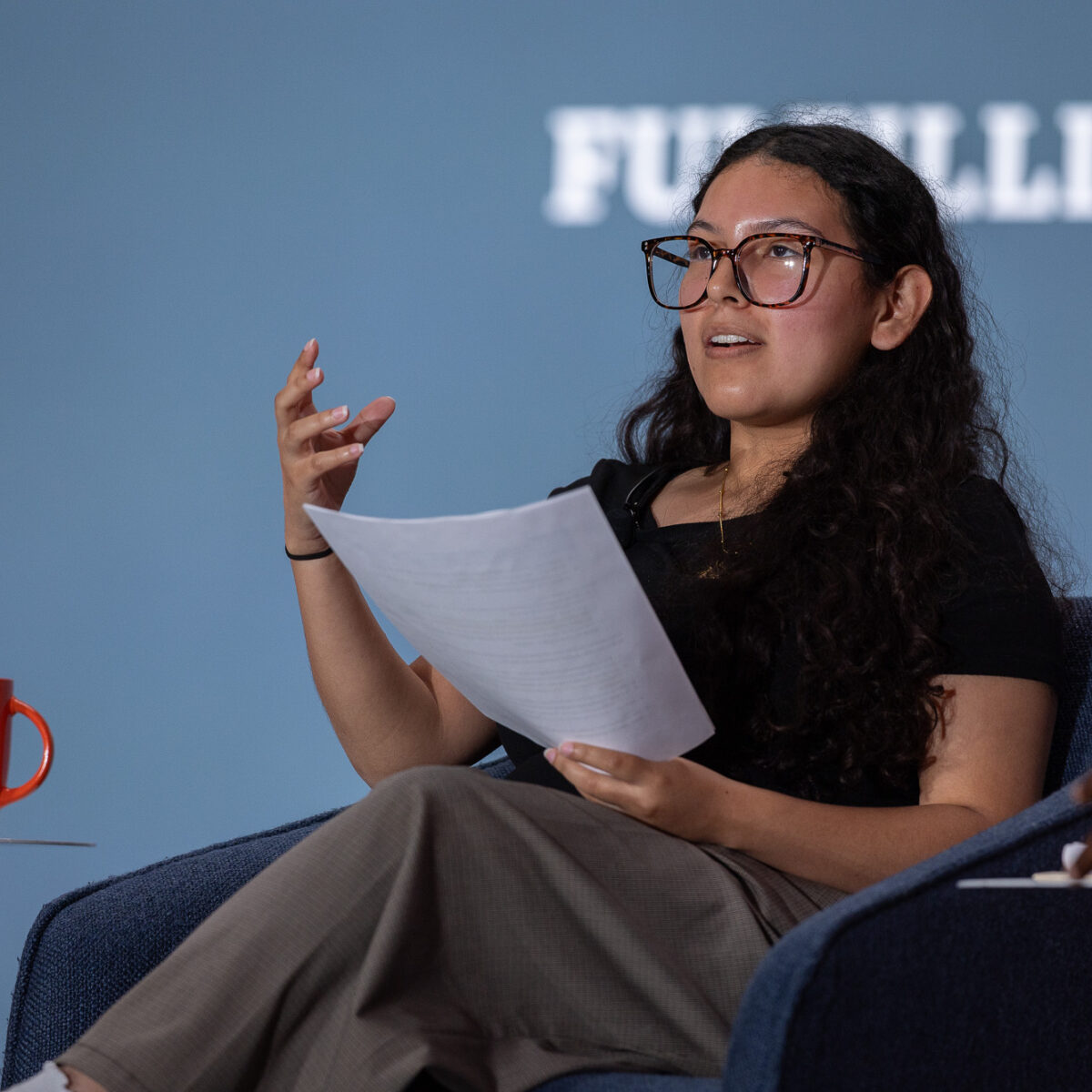
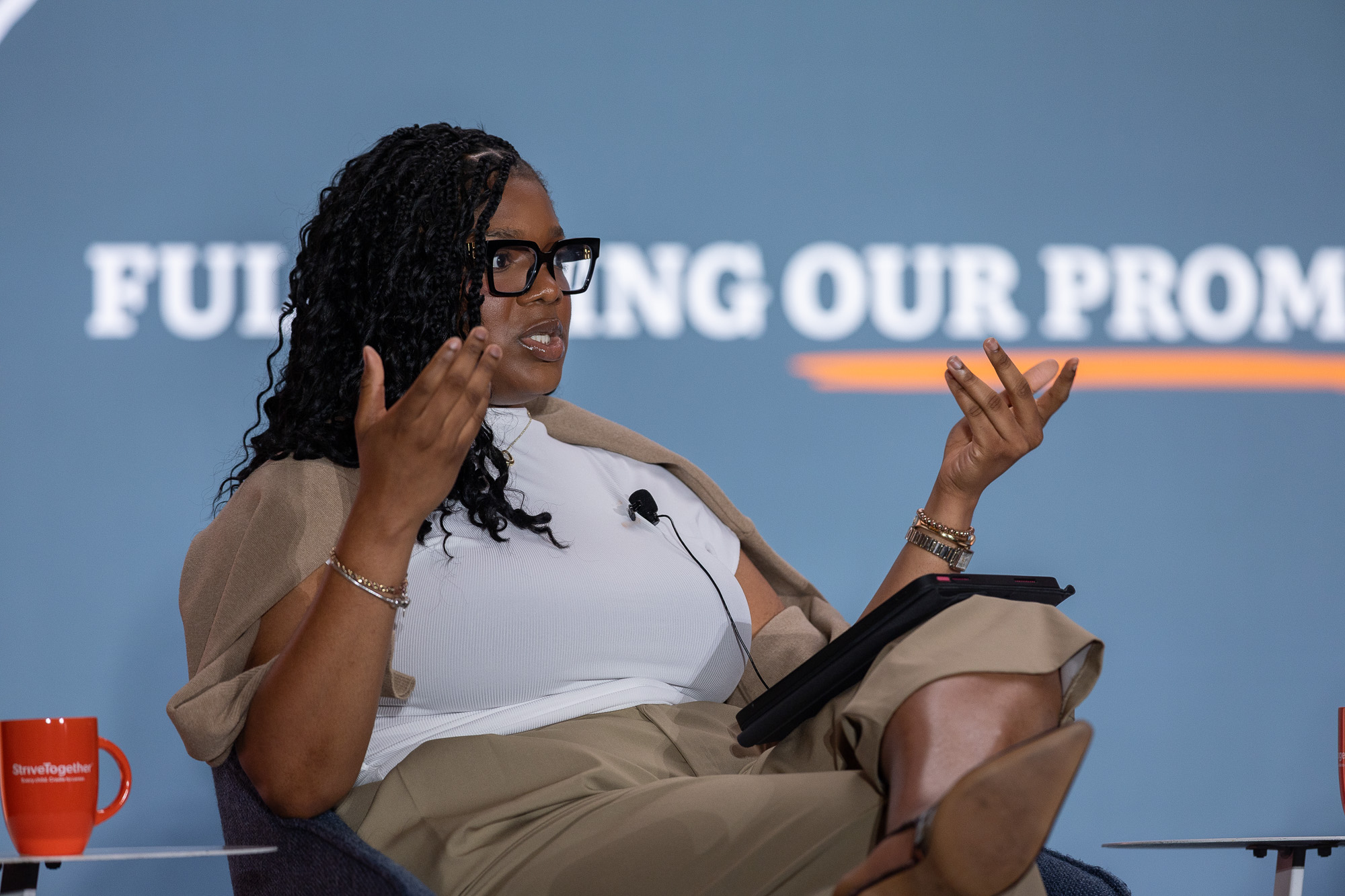
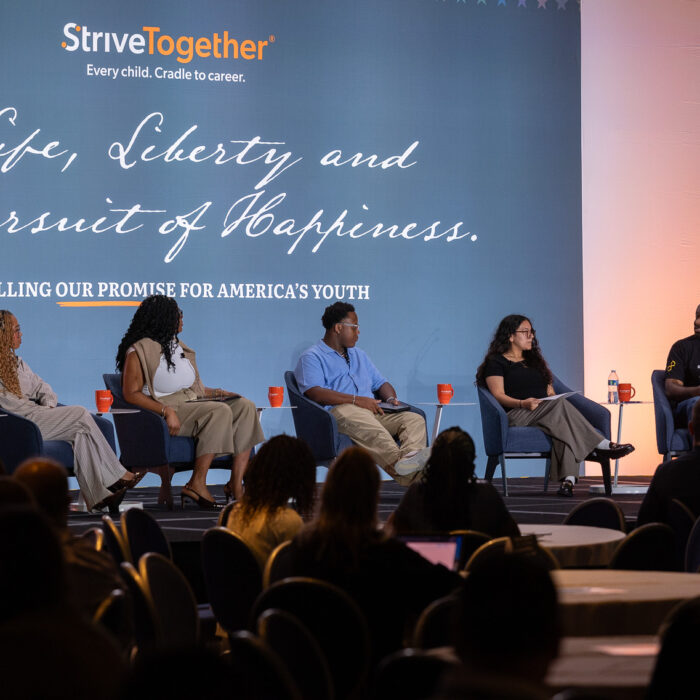
The poll shows young people want to be part of the decisions that affect them. The Baltimore’s Promise plenary featured four leaders: Chanya Anderson, director of Youth Wellbeing and Intergenerational Governance; Kerra Dukes, the partnership’s first policy coordinator; Tobius Nance, a board member and former Youth Grantmaker; and Camila Calero, a Community Advisory Board member and former Youth Grantmaker.
Maryland Sen. Cory McCray moderated and opened with his own story. He was removed from school repeatedly between sixth and 10th grade, and his mother never gave up on him. His story shows why youth voice matters: Young people’s paths change when adults stay with them and make room.
What shared power looks like
Invitations often go to the same young people, the student government presidents and honor society members already seen as leaders. Camila said that approach leaves out many others. “There’s a very big difference between just including young people and actually sharing your power with them,” she said.
At Baltimore’s Promise, sharing power meant real responsibility. Through Youth Grantmakers, a program that lets young people ages 16 to 24 help distribute public and private resources, Tobius helped direct more than $1 million to roughly 20 organizations. He said young people bring questions adults may not think to ask. The grantmakers weren’t experts in every field, so Baltimore’s Promise brought in experts where they needed more information. “All of the organizations that have poured into me gave me the seat at the table instead of just the seat in the program,” he said.
It also meant preparation. Before her first trip to Annapolis, the state capital, Kerra said the team taught young people how government works. Then they gave them the chance to speak directly to legislators. “We want to allow you all to have the audacity to be able to speak to the people who represent you,” she said.
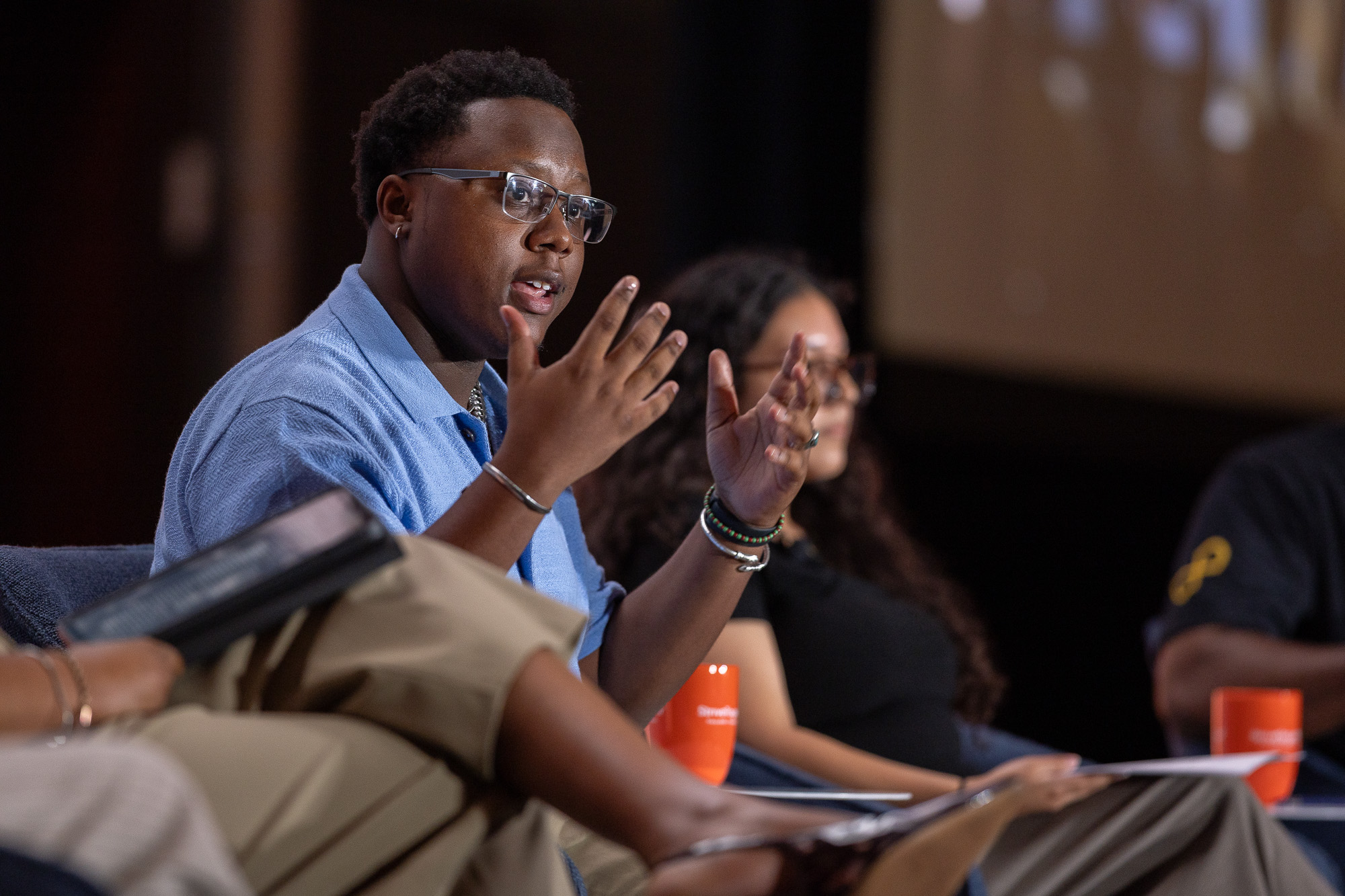
For Chanya, the work begins with listening. “Those that are closest to the problem are closest to the solution,” she explained. She visits schools and asks students what they would change. One young man told her he couldn’t finish his apprenticeship requirements without a driver’s license. Young people testified in Annapolis, and Governor Wes Moore signed legislation that secures $2 million in recurring state funding for driver’s education.
Sharing power also takes structure. Tobius would like to see dedicated seats with voting authority on boards and committees for young people. He also supports paying them. “That bit of money, however much it is, is the first time that young person feels like ‘oh, my voice is valued’,” he said.
Baltimore’s Promise has built that structure. Its Community Advisory Board, launched in March 2024, reserves half of its 10 seats for youth age 24 and younger. Tobius served as co-chair. Kerra described the organization’s nine non-negotiables for youth engagement, and compensation comes first. The list also includes telling young people how their input will be used and removing barriers like meal timing and childcare.
None of these steps work alone. Young people need real decisions to make, preparation to take part in and structures that keep their input moving into action.
Across the Network, young people are taking the lead
Baltimore’s Promise is one of many StriveTogether Network members prioritizing youth leadership. At the 2025 Policy Summit in Washington, D.C., four youth leaders shared how they are shaping education policy in their communities. Cyrus Dean Holt, a student at Metropolitan State University of Denver, worked on a bond measure to rebuild unsafe school buildings in Adams County, Colorado, even though it wouldn’t affect him directly. His work was part of a broader effort by youth Civic Influencers through Rocky Mountain Partnership Cradle to Career, who helped secure more than $2 billion in public school funding across Colorado, including $830 million in Adams County to modernize school buildings.
Cyrus asked adults to make room on the stage, not only hand young people the microphone. Listening to young people is one step, he suggested, and working alongside them is the next. After the summit, interest in civic pathways grew across the Network, and several members began exploring how to move from occasional consultation to continuous leadership roles.
A better future doesn’t just happen. You have to build it.
Camila Calero, Community Advisory Board member and former Youth Grantmaker
The Colorado model has traveled. Norwalk ACTS in Connecticut heard about the Civic Influencer strategy and built its own program. Aislinn Seiler, a recent graduate of P-TECH Norwalk, worked with Norwalk ACTS and local schools to co-create a new cell phone policy and traveled to the state capitol to advocate for school funding.
In 2020, ImpactTulsa in Oklahoma received a grant from StriveTogether’s Strategic Initiatives Fund to form a new youth council of students from around the city with the goal of working with students to identify barriers and create solutions together with students to identify barriers and create solutions together
Milwaukee Succeeds in Wisconsin, another network member, created the Design Your Future Fellowship in summer 2021, a paid program where nearly 60 youth ages 13 to 20 explored leadership and advocacy alongside adult mentors.
When place-based partnerships back young people, communities gain leaders, ideas and results they couldn’t reach alone.
Keeping the promise to young people
2026 marks 250 years since the country’s founding, a theme woven throughout the National Convening. Sen. McCray framed the panel’s final question around Sankofa, a word that means “go back and get it” and asks people to honor the past to build the future. He asked each panelist for a demand and for something Baltimore had taught them that the room should carry home.
Tobius asked for equitable opportunities for young people in every zip code. Kerra asked leaders to put policy information in language young people can follow. Chanya spoke about 250 years of promises made to young people and left unkept. “I want us to get uncomfortable so that we can get honest so that we can get free,” she said.
Camila described home as something people build, with policies, resources and relationships that hold a community together. “A better future doesn’t just happen,” she said. “You have to build it.”
Young people are ready to do that building. Adults can make room, share decisions and cover the costs of showing up. Chanya said she wants young people to “think loudly, move boldly and live expansively.” A seat at the table starts with a decision to share it, and place-based partnerships across the Network are well positioned to lead the way.
Additional Stories
Building youth leadership into local systems: “A seat at the table, not just a seat in the program”