A group of college graduates smile at the camera as they toss their caps.

Postsecondary Completion

Overview

Overview


Postsecondary completion leads to economic mobility for individuals and strengthens local economies.

Communities where more young people finish education or training after high school are set up for success for families and employers. StriveTogether works with communities to align education and workforce systems to improve postsecondary completion outcomes.

Our vision for our young people … is to create a culture where we value the importance of a postsecondary credential.

Dr. Russell Booker, president and CEO of the Spartanburg Academic Movement

Spartanburg, South Carolina
See How Spartanburg Opens Opportunity
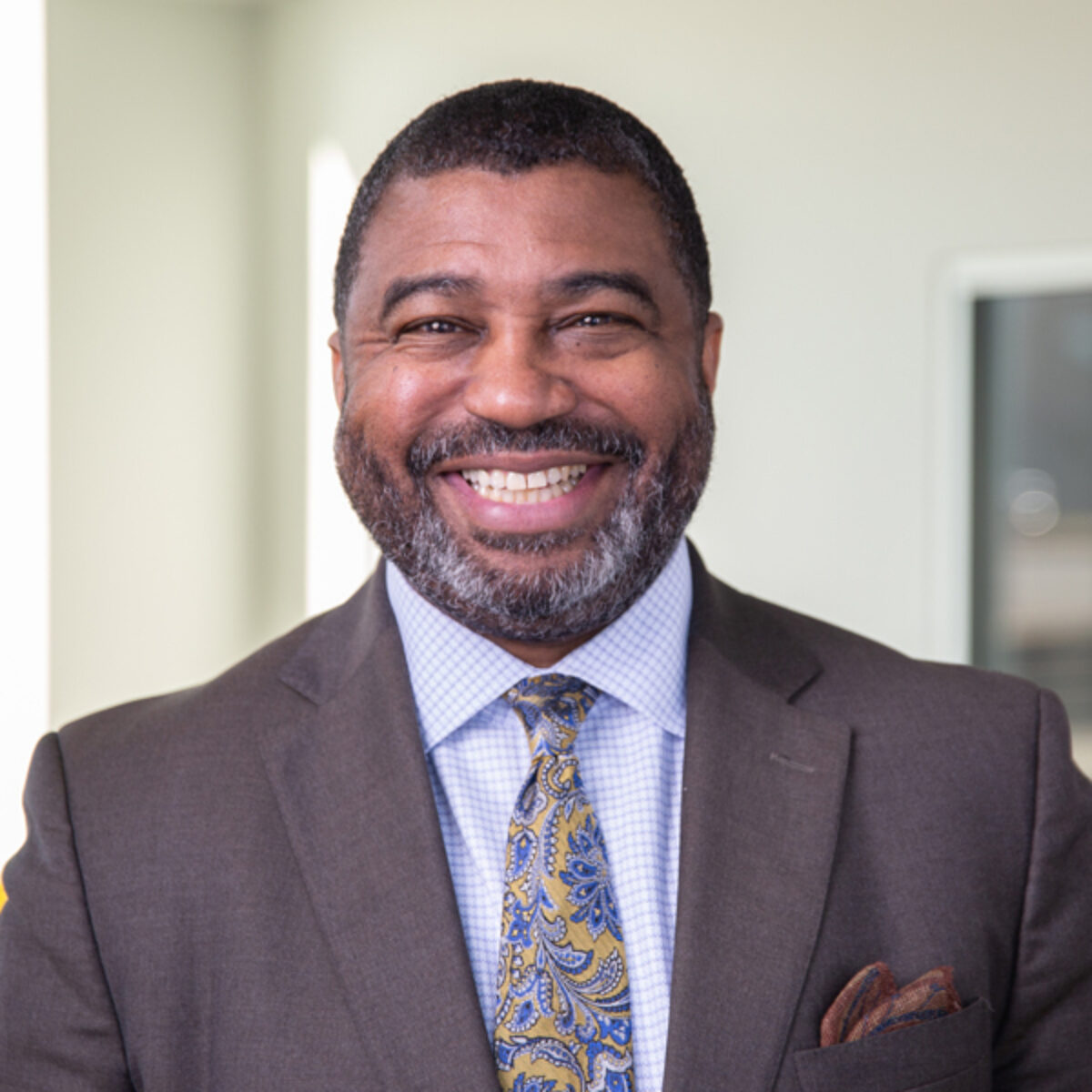
Dr. Russell Booker, president and CEO of Cradle to Career Network member Spartanburg Academic Movement, smiles at the camera.
The Challenge Why It Matters
Why It Matters

Students who complete postsecondary education with a credential or degree are more likely to:

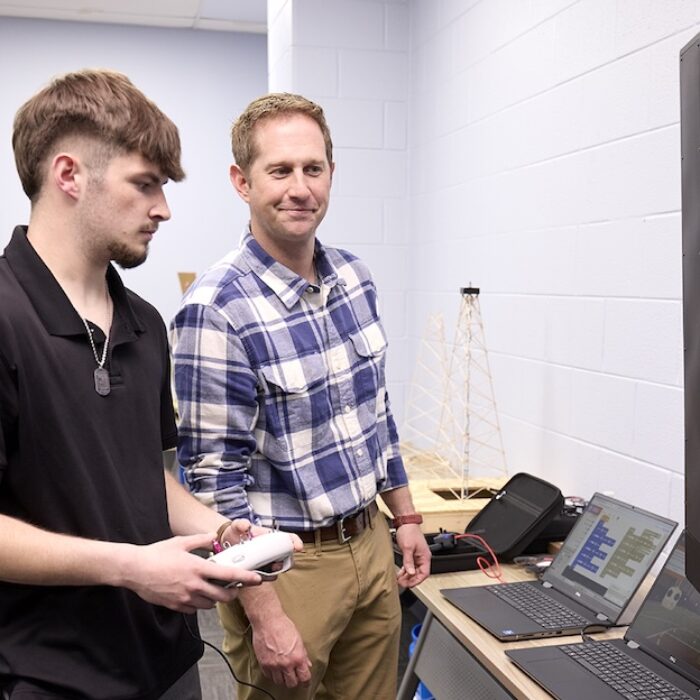
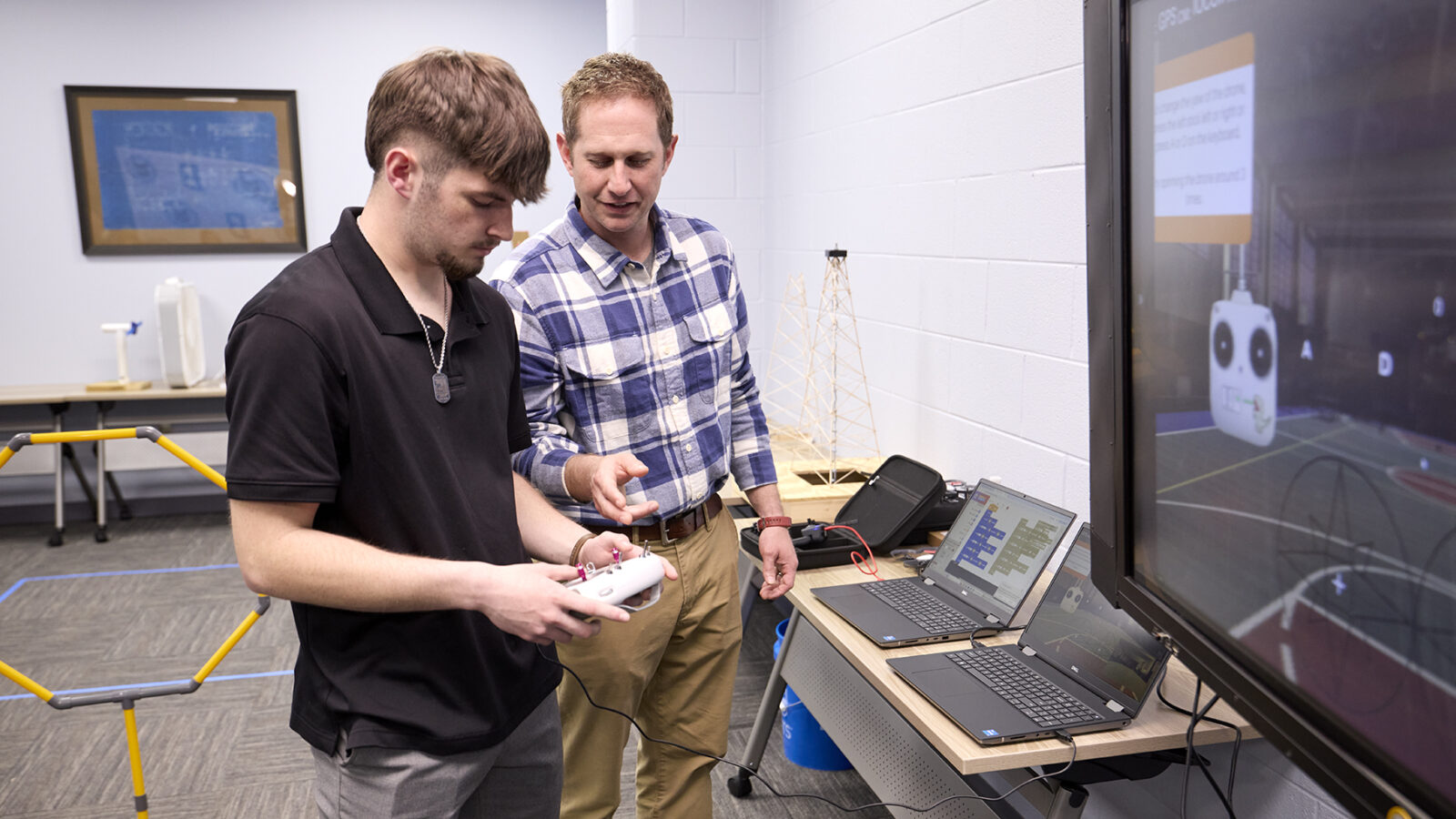
Two students look at a computer screen where they're watching their peers act out a space travel simulation.

Access higher earnings and economic opportunity

Completing a postsecondary credential is closely linked to stronger workforce outcomes. In 2025, about 78% of recent associate degree recipients ages 20-29 were employed, compared with lower employment rates for those without a postsecondary credential (Bureau of Labor Statistics). Having a credential increases access to stable, living-wage careers with benefits like health insurance and retirement savings. 

Research estimates that associate degree holders earn about $400,000 more over their lifetimes (College Board). These educational opportunities create long-term financial security for individuals and families.

Succeed in the workforce

More and more jobs require postsecondary credentials, especially in growing and high-demand industries. Earning a degree or credential equips young people with the skills, knowledge and experience they need to get a job and advance in the workforce. 

When more students finish their postsecondary pathways, communities are better positioned to meet employer needs, strengthen their talent pipelines and build a skilled, competitive workforce for economic growth.

Build long-term stability

Workers with a postsecondary degree earn more every week than those with only a high school diploma. Earnings increase with higher levels of education. According to the Bureau of Labor Statistics, postsecondary credentials are associated with higher wages overall. 

Those with a bachelor’s degree earn 31% more than those with an associate degree and 84% more than individuals with only a high school diploma (Georgetown University Center on Education and the Workforce).

What Drives Change
What Drives Change

Students are more likely to complete postsecondary education when communities provide:

An academic advisor sits with a student at a table, looking at a laptop screen together.

Structured pathways to completion

Students are more likely to finish their education when the path is clear. Degree or credential maps, course sequences and transfer agreements help students know what to take and when. This clarity reduces wasted credits, saves time and lowers costs. 

Having a clear route to a credential helps students make steady progress toward their goals.

Coordinated academic and financial supports

Many students leave college because of academic or financial challenges. Through advising, financial aid and other support, problems can be solved early. Clear guidance, emergency grants and regular check-ins help students stay enrolled.

When colleges respond quickly and consistently to roadblocks, more students stay on track.

Career-connected learning

Students are more motivated to finish when they see how their education leads to a job. Internships, apprenticeships and programs connected to local employers make learning feel relevant. 

If students understand how a credential opens doors to stable careers and higher pay, they’re more likely to stay engaged and complete their degree.

They told us that we could do whatever we want to do, enough to the point that it really sunk in and helped us believe it.

Morgan Riffe, fourth-year medical student

Appalachia, Kentucky
Read Morgan's story
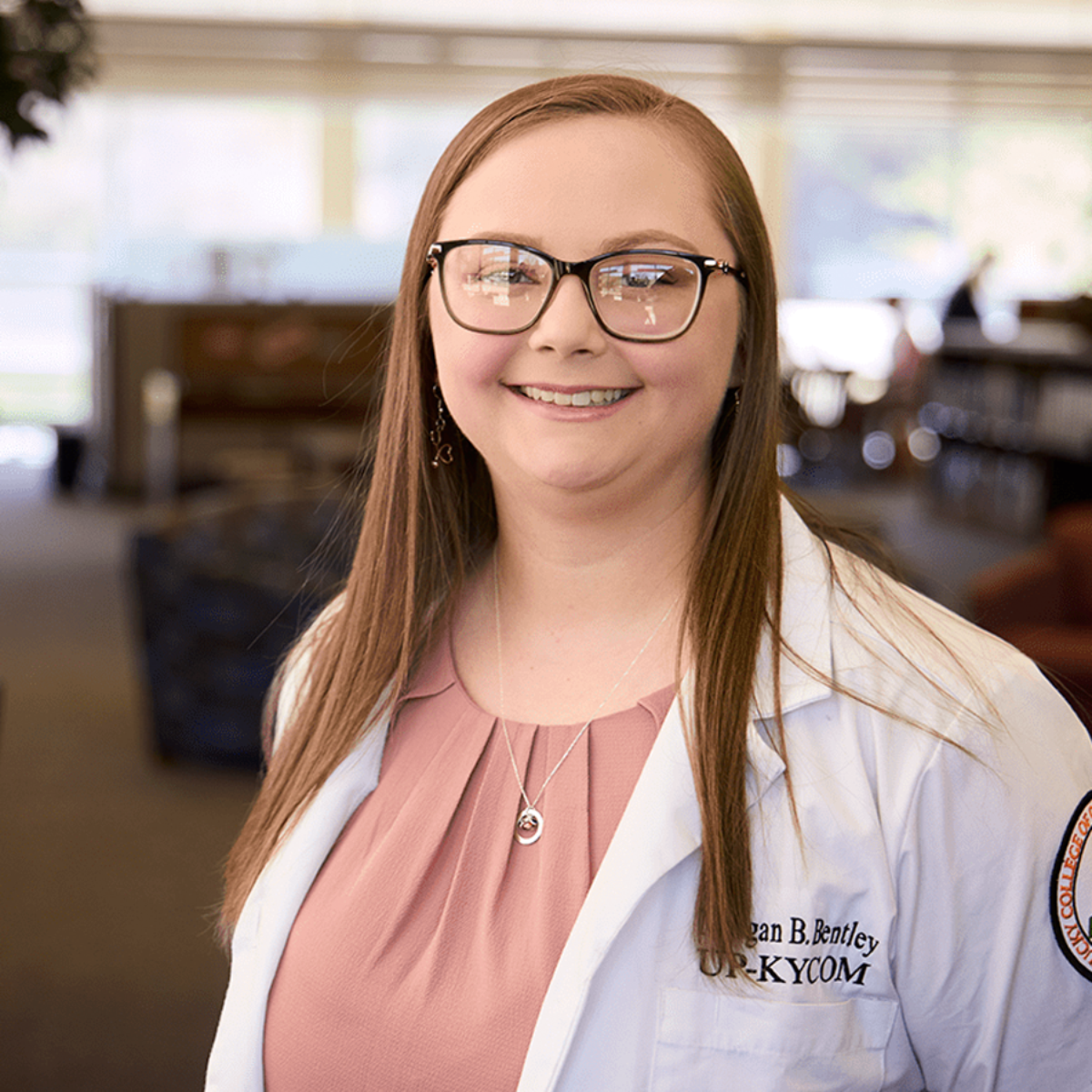
Morgan Riffe, a fourth-year medical student in Appalachian Kentucky, smiles at the camera.
Continuing Challenges

Too many students who enroll in postsecondary education struggle to complete it.
Costs of postsecondary education are rising

The cost of education after high school, like college, continues to rise. Many students have unmet financial needs. Tuition, housing, transportation and basic living expenses can become overwhelming. Even small financial emergencies can force students to pause their educational plans or withdraw. 

When aid systems are complex or insufficient, students take fewer credits or leave school altogether, reducing completion rates.

Completion rates remain uneven across groups

Too many students still face disparities in postsecondary completion. Students from high-poverty high schools graduate from college at a rate of 25%, compared to 61% of students from more affluent schools (National Student Clearinghouse). 

Black students also experience lower persistence rates. Among students who entered college in fall 2017, 66.2% of Black students returned the following year, compared to 78.1% of white students  (National Student Clearinghouse). These gaps reflect long-standing barriers in preparation, financial stability and campus support.

Many students are unaware of their options

Not all postsecondary programs lead to good-paying jobs. Some credentials aren’t aligned with local employment, and some provide strong economic returns. 

Without transparent data on program outcomes, young people could invest time and money without improving their long-term outlook. That’s why alignment between education and workforce systems is critical.

Playbook
Related Resources

Across the Network
Related Resources and Courses
Up Next Next Outcome: Employment

Loading term details...

Error loading term details. Please refresh the page and try again.

Term Name