A young adult is in a workshop, using a saw to cut pipe. Sparks are flying from where he's cutting.

Employment

Overview

Overview


Quality employment builds wealth, stabilizes housing and health outcomes, and strengthens communities.

Employment is the final milestone in the cradle-to-career journey. StriveTogether works with communities to align education and workforce systems so more young people land good jobs that offer living wages, benefits and opportunities to grow.

We know that our future workforce — and our region’s success — depends on how well we prepare young people today.

Tanya Terrell, director of corporate community impact at Baltimore Gas and Electric

Baltimore, Maryland

See a Systems Approach in Action
Tanya Terrell, director of corporate community impact at Baltimore Gas and Electric, smiles at the camera.
The Challenge Why It Matters
Why It Matters

Young adults with quality employment are better positioned to:
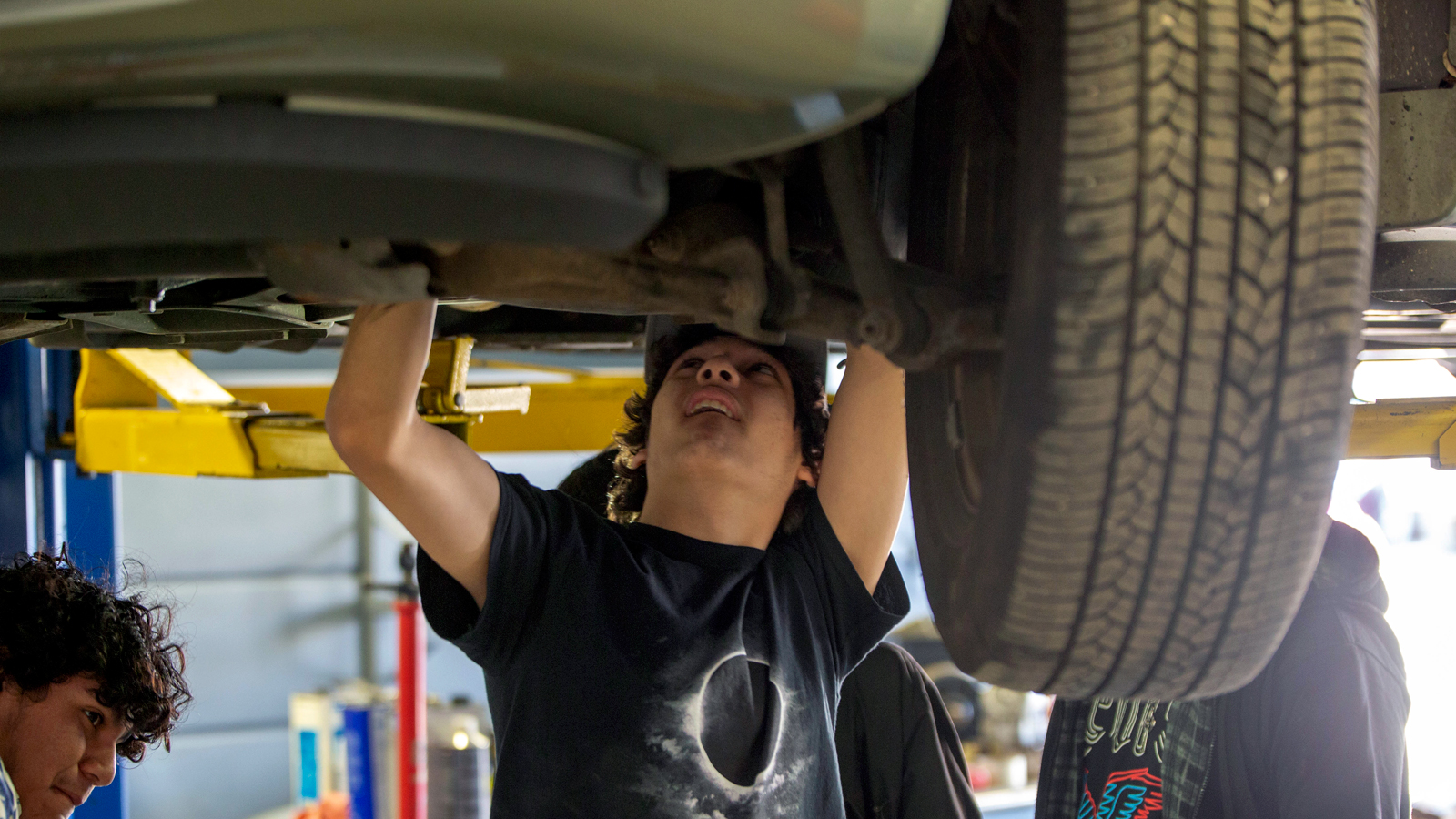
A young adult is working in a garage, standing underneath a car with his arms extended upward.

Improve health and economic stability

A high-quality job supports access to stable housing, health care, child care and nutritious food. Higher income is also associated with longer life expectancy. Research shows a life expectancy gap between the wealthiest 1% and the poorest 1%: a gap of 14.6 years for men and 10.1 years for women (National Library of Medicine).

Employment helps families build wealth, but wealth is unevenly distributed. Median wealth is $187,300 for white families, compared with $31,770 for Latine families and $14,100 for Black families (Census Bureau). Expanding access to quality jobs is essential to strengthening long-term economic mobility across communities.

Strengthen communities and local economies

When more young adults secure quality jobs, communities benefit. By 2031, more than 70% of jobs will require postsecondary education or training (Georgetown University Center on Education and the Workforce). That means aligning education to the workforce is essential to economic growth.

More employment and higher pay increases local spending, strengthens tax bases and reduces reliance on public assistance. Employers have more access to skilled talent, making regional economies more resilient.

Expand opportunity and agency

Employment provides more than income. Quality jobs offer dignity, purpose and a sense of agency by paying a living wage, providing benefits and supporting ongoing skill growth. When young people have stable work with advancement opportunities, they can support their families and plan for the future. 

Reducing disparities in employment outcomes strengthens individual wellbeing and communities.

What Drives Change
What Drives Change

Quality employment strengthens local economies when communities provide:

An employee at a space center stands over a table sorting materials.

Aligned education-to-workforce pathways

Young people are more likely to have quality employment when education and workforce systems are aligned. Students need clear credential pathways connected to high-demand industries to build relevant skills and join the workforce. Partnerships between colleges, training providers and employers can help ensure that credentials lead to living-wage careers.

When communities design clear paths from education to employment, more young people secure stable jobs.

Employer engagement and career-connected learning

Employers play a critical role in developing job pathways for young people. Internships, apprenticeships and work-based learning experiences connect students to real-world opportunities. When employers collaborate with education and workforce leaders, training programs are more aligned to what employers need.

These partnerships expand access to stable, living-wage careers.

Coordinated workforce and support services

Access to employment goes beyond having the right skills. Support like transportation, child care, advising and career navigation can help young people join and stay in the workforce. Coordinated workforce systems reduce barriers to jobs and opportunities to grow in a career.

When communities align with employer demand, more residents land quality jobs and reach economic mobility.

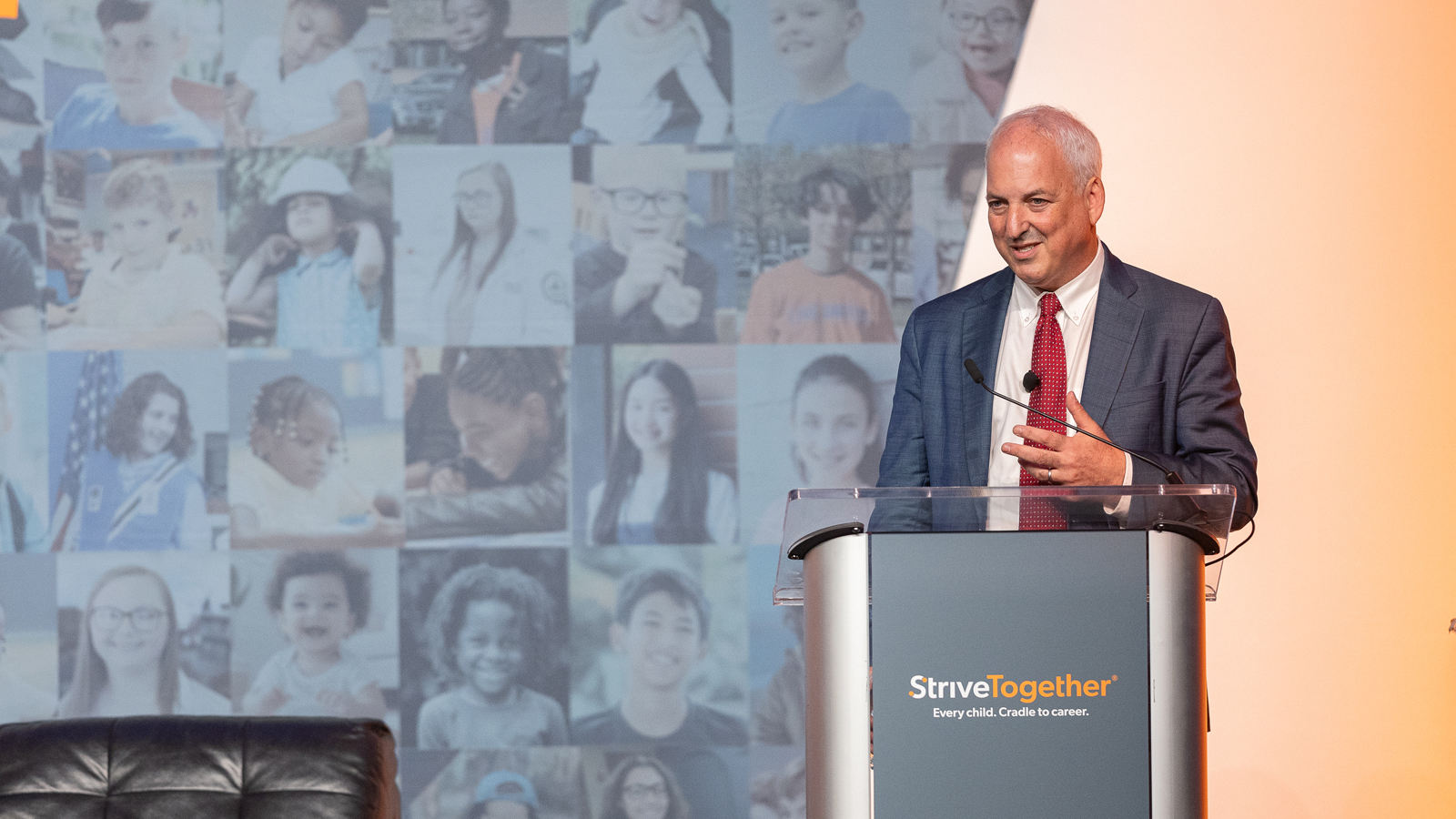
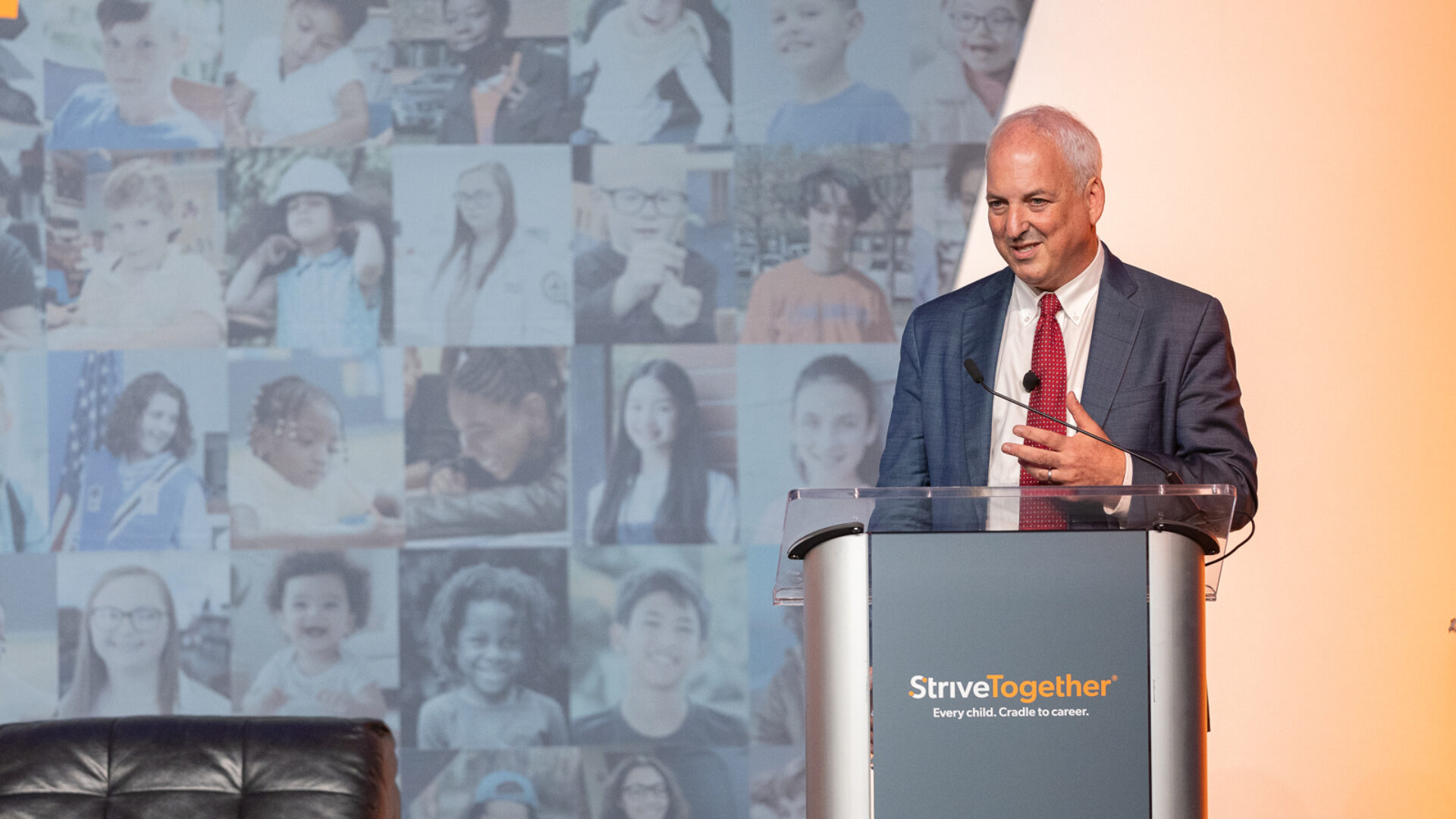
Jon Schnur, CEO of America Achieves, addresses the crowd at the 2025 Cradle to Career Network Convening

Employers are hiring and changing faster than our systems were built to adapt.

Jon Schnur, CEO of America Achieves

Miami, Florida
Read About Workforce Strategy
Jon Schnur, CEO of America Achieves, addresses the crowd at the 2025 Cradle to Career Network Convening
Continuing Challenges

Our changing and complex economy creates persistent challenges.

Three adults sit around a table, all looking in the same direction as if they're listening to someone outside of the photo speak.

Opportunity gaps limit economic mobility

Employment and wealth disparities persist. Black workers face unemployment rates around 7%, compared to about 3% for white workers. Wealth gaps are even wider, with median wealth significantly lower for Black and Latine families than for white families (Census Bureau).

Low-wage jobs without benefits limit housing stability, health care access and the ability to build wealth. To close these gaps, communities need to develop targeted strategies.

Workforce demands are evolving

The labor market is shifting quickly, and automation and technology are changing the skills that workers need.

Employers are looking for adaptable workers with technical skills. Without aligned education and workforce systems, young people could be left out of new opportunities.

Employment doesn’t guarantee security

Not all jobs provide living wages, benefits or clear pathways for advancement, which are key parts of quality employment. Low-wage work is widespread, and too many households don’t make enough to cover basic living costs. 

Opportunity gaps make it hard for many young people to turn employment into economic stability.

Playbook
Related Resources

Across the Network
Related Resources and Courses

Loading term details...

Error loading term details. Please refresh the page and try again.

Term Name