Pathways Built to Last: What Grantees Are Learning About Sustainability
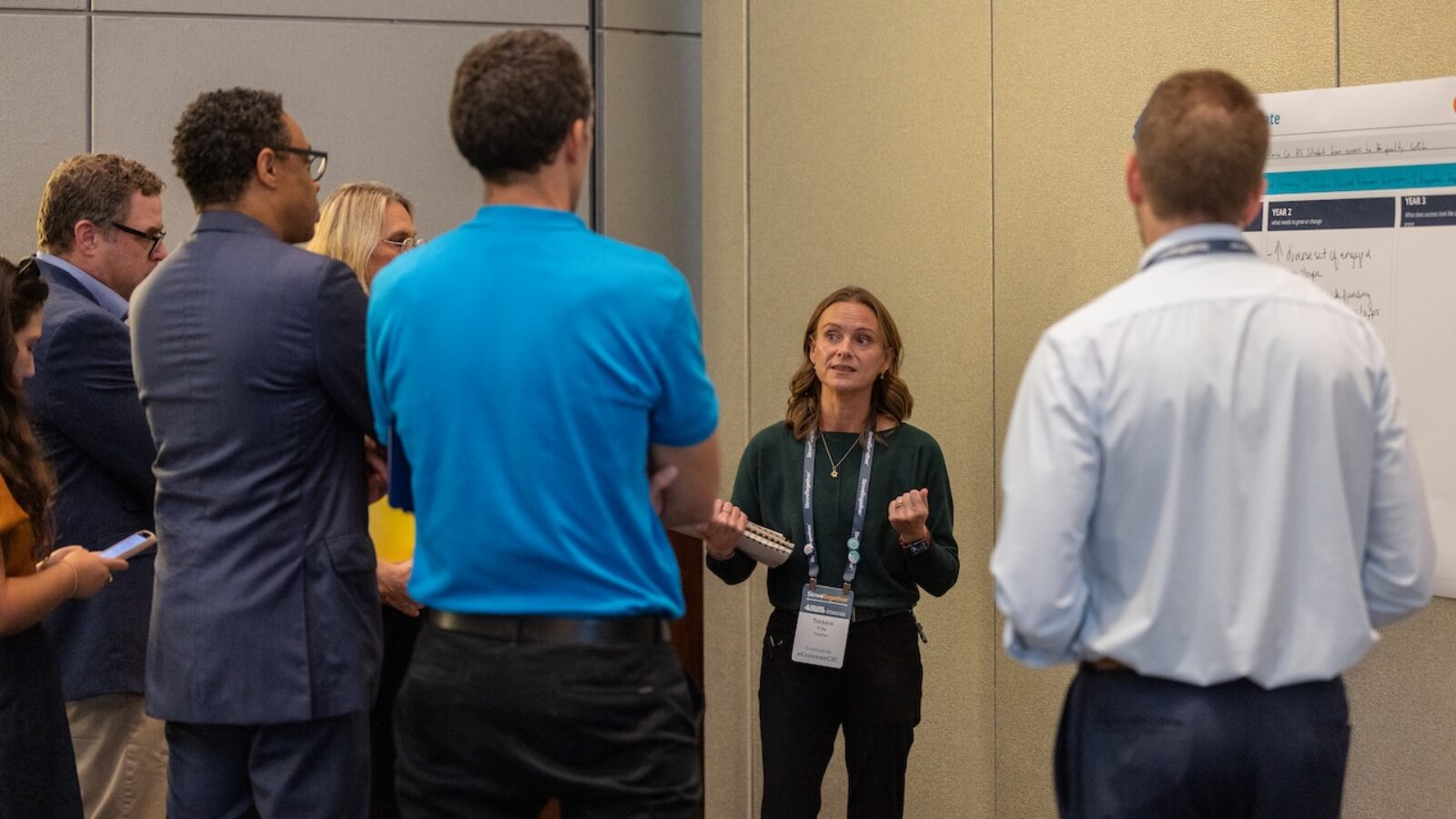
At the 2026 StriveTogether Cradle to Career National Convening in Baltimore, Maryland, Pathways Impact Fund grantees from five regions compared what they’re learning. Their focus was building and sustaining career pathways. One question came up in their session. A funder in a major city was ready to invest in pathways for high school students. She had asked a grantee what it would cost to expand pathways to every student in the city. This question resonated with the group, whose partners all see the need for a funding model that lays out what regional pathways implementation requires. That reflects a greater set of questions that the Fund and it’s grantees are focused on this year – what will it take to make pathways to economic mobility a reality for thousands of more students in their region.
The first five grantees are EdVestors in Boston, Massachusetts; EmployIndy in central Indiana; EdSystems in the greater Chicago, Illinois, area; the Rodel Foundation in Delaware; and Learn to Earn Dayton in Montgomery County, Ohio. Each connects schools, colleges, employers and public agencies in its region to build pathways for students and keep them going.
Together, they’re finding what it takes to build pathways that last.
Planning for Full Scale
The funder’s question is about scale. What would it take to reach every student in a city? Grantees are working on that now, through the Fund’s Theory of Scale work. A theory of scale is a plain statement of how far a program could reach over the long run and what has to be true for it to get there. It’s related to a theory of change, which explains how a program creates impact. A theory of scale explains how that impact can reach more students and communities over time, beyond any single grant.
With partners at Delivery Associates, each grantee is working through a series of questions over several months: What need is their approach addressing? What conditions have to exist for the work to reach more students, and what barriers stand in the way? What does the work look like at full scale, and what role does the organization play? How can they make pathways more cost efficient while maintaining quality? What would it mean to have met the need, in numbers where possible?
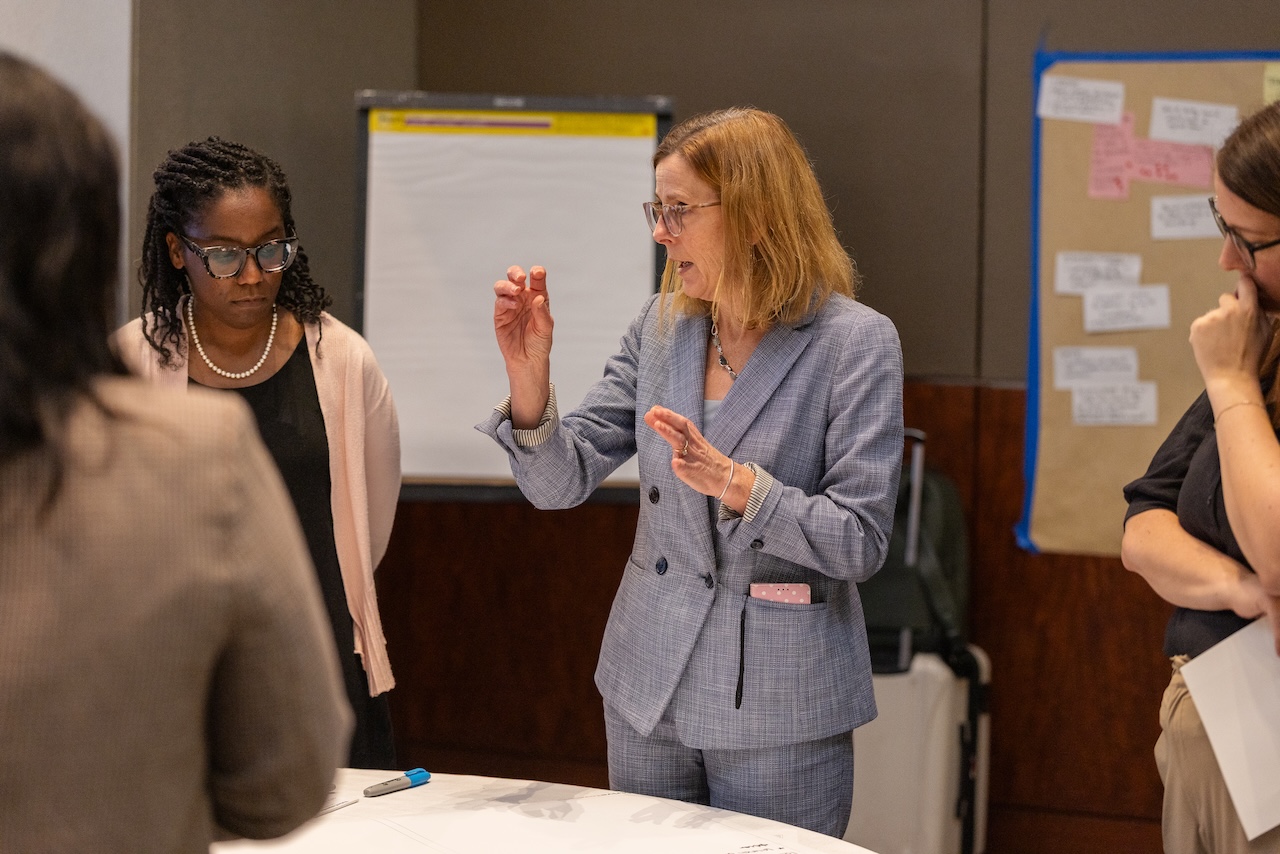
Each grantee will come away with a plain-language summary it can share with partners, funders and policymakers, a map of its delivery chain and an action plan for its biggest barriers. The goal is to make the “how” of reaching more students clear for leaders who want to learn from these examples.
The convening put that plan to work. Each team mapped one main strategy across the three years of its grant, and peers helped sharpen it. They asked what data shaped the strategy, what deeper partnership could make possible, and what it would take to resource the work without Fund dollars.
Cost is part of every plan, and can be challenging to pin down. Building a cost model for pathways in any given region is complex. Pathway definitions vary across districts, regions and states, and across individual pathway models and sectors. A business pathway needs different staff, equipment and partners than a pathway in the trades, and the costs differ with them. The funding also sits in different budgets across schools, colleges, employers and the regional organizations that coordinate them.
Someone at the session offered a comparison. A district can estimate fairly well what it takes to start an International Baccalaureate program, because the requirements are spelled out, and the inputs to implement (the staff, partners, equipment) are minimal. Pathways are cross-sector and include many experiences by design, so pricing the pieces takes careful work.
The good news: Pathways Impact Fund grantees have done the work to agree with their partners on a regional definition for pathways. They are aligned with their state definitions, such as the new diploma requirements in Indiana and the College and Career Pathway Endorsement in Illinois. Grantees will focus this year on building the cost model to match, one industry sector at a time. Several are building tools to plan for funding, including sustainability maps and long-term funding models.
Strengthening Advising and Expanding Access
Any pathways approach includes people, and conversations about advising took up much of the day. The recommended ratio is one counselor for every 250 students, and the national average across all grades was about 372 in the 2024-25 school year. Grantees are advancing new ways to provide career navigation and advising support to students. Rodel is testing a navigator model at three pilot sites in Delaware, with navigators working alongside school counselors. Learn to Earn Dayton is adding positions beyond its original navigators to its cost models, and EdSystems is building advising practices around key moments in high school.
More navigators and advisers raise the cost of supporting each student. The question for any region is whether the added cost is meeting the intended impact. Outside examples suggest it can be. Comprehensive support can pay for itself. At three community colleges, the City University of New York’s Accelerated Study in Associate Programs paired advisers carrying 60 to 80 students each with tutoring and other supports. Per-student costs ran about 60% higher, but the cost per degree dropped by more than 10%. Grantees reached for the same idea. In Lake County, Illinois, a community college puts navigators in local high schools to support counselors, not replace them. The college took a chance that the navigators would pay for themselves through higher enrollment, and largely they did.
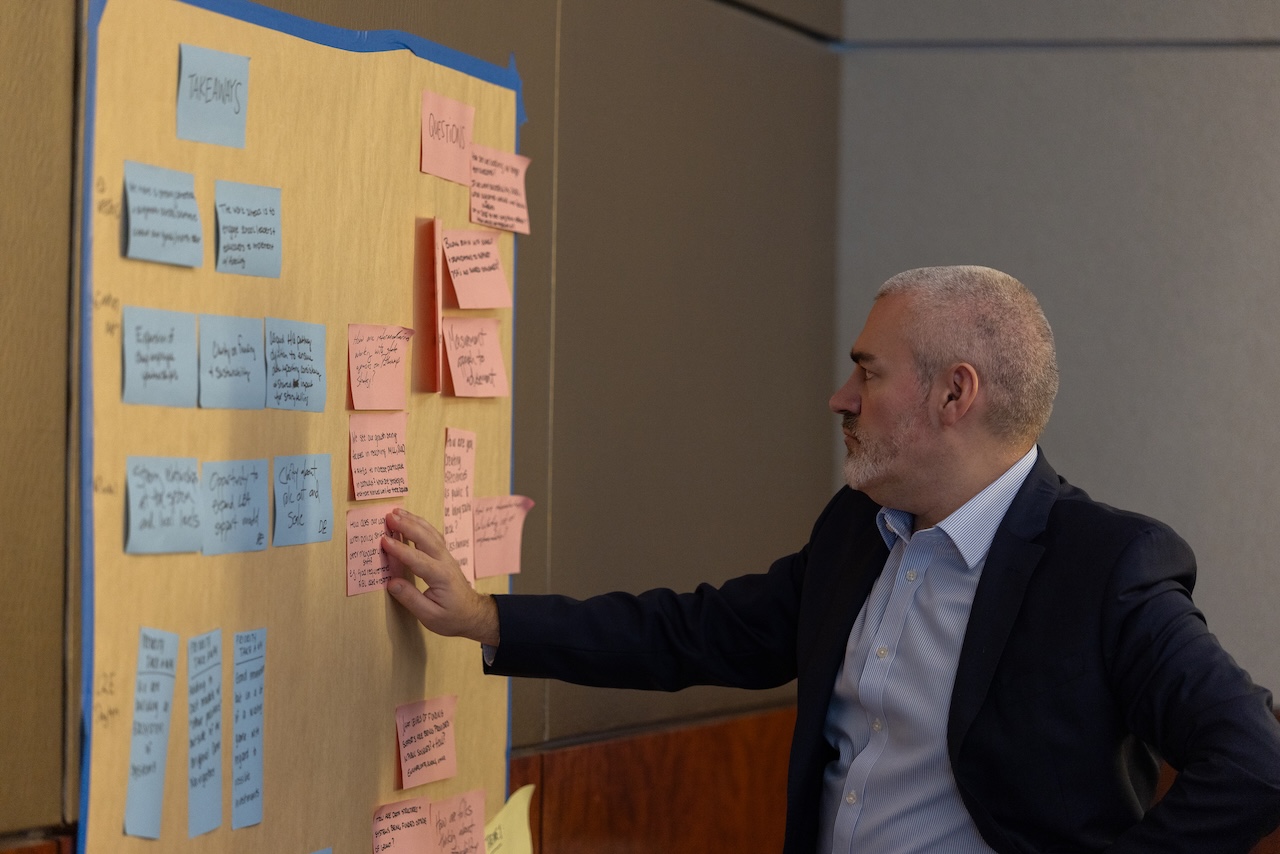
That support has to reach students who are easy to miss. Grantees named multilingual learners, students with disabilities and students in alternative education as the groups where growth is most needed. EdVestors is planning a new pathway for alternative education settings.
Technology also came up during the session, with one key agreement that it will be used to support people and not replace them. One open question asked whether shrinking budgets would mean fewer humans doing human work. Grantees pointed to tools built for the adults, such as a counselor-facing AI resource that students never see and a platform that follows students from school to school. Rodel’s roadmap lists an AI navigation tool for schools and counselors, paired with training for educators.
Sustaining Pathways Beyond Grant Funding
Schools, colleges, employers, public agencies and philanthropy can all share the work of paying for pathways. In “What’s Your Endgame?” in the Stanford Social Innovation Review, Gugelev and Stern argue that breakout growth costs more than most nonprofits can raise alone.
Grantees are living with that now, and they’re finding partners. Support from national and state partners is growing, and grantees are working to build more regional funding alongside it. They also talked about blending funding sources and treating employers as partners instead of only donors.
State policy can help too. In Ohio, where Learn to Earn Dayton works, the state set aside $16 million a year for the 2025-26 and 2026-27 school years for the Innovative Workforce Incentive Program, which pays districts $725 for each approved industry-recognized credential a student earns. It replaces standard credential reimbursements and focuses on high-demand fields such as IT, advanced manufacturing and the skilled trades. Learn to Earn Dayton’s plan includes keeping its community up to date on the changes.
There’s more work ahead on what pathways take and what they cost, and grantees have started building the foundation. They will be sharing this work with the Fund’s Pathways Impact Collaborative, which brings together 48 regions in 20 states and Washington, D.C. This national learning community exists so regions can continue to learn from one another and share what works..
Together, the Fund and its grantees are working toward expanding purposeful pathways so every student can look ahead to a future they’re excited about.