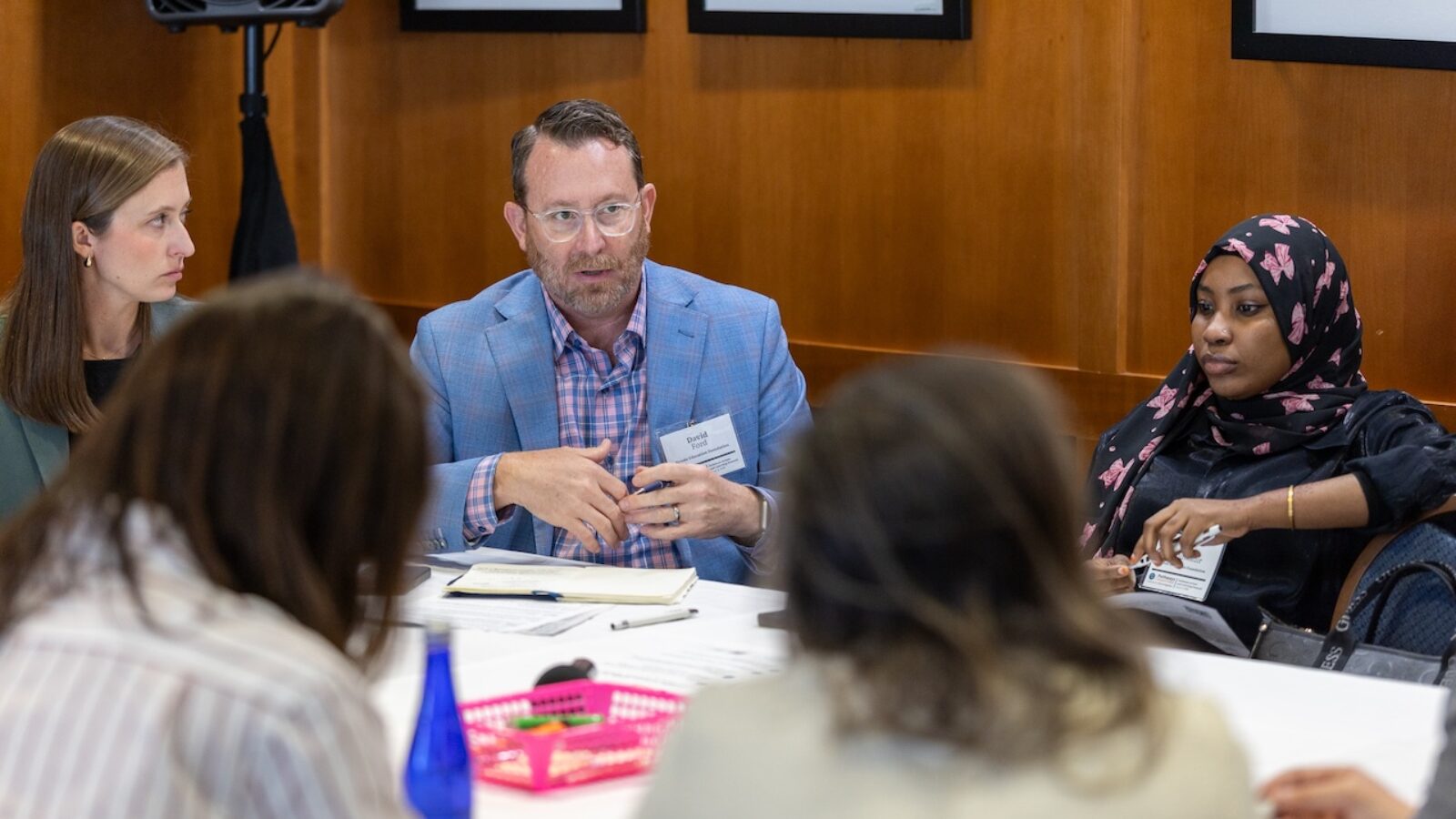
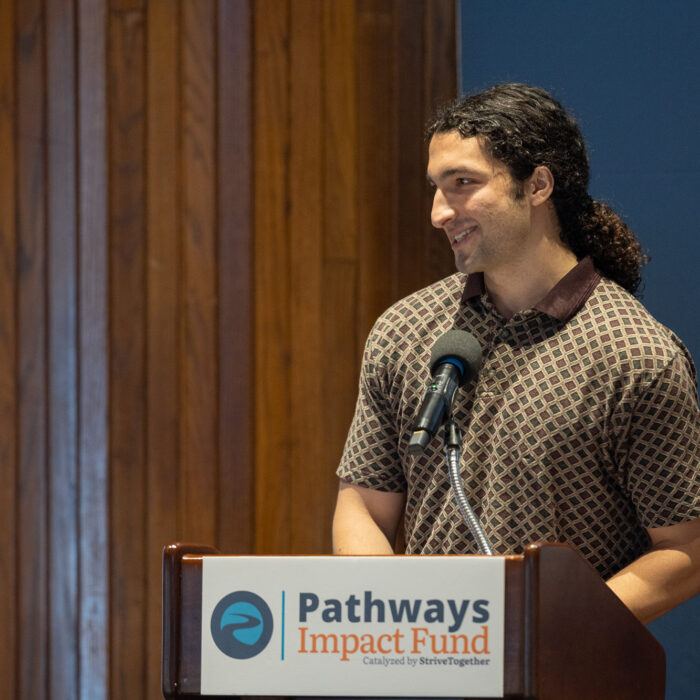
On June 3, 2026, the Pathways Impact Fund – a national initiative catalyzed by StriveTogether focused on expanding student access to purposeful pathways – brought together more than 200 education and workforce leaders in Washington, D.C.
The event focused on answering one key question:
What do young people need to thrive in a rapidly changing economy, and what will it take to build the purposeful pathways that set them on a path to economic mobility?
Five breakout sessions brought the collective expertise of leaders across the country to bear on this question, examining the conditions, partnerships, and infrastructure required for success. This document captures the key themes from those conversations, a starting point for the Pathways Impact Fund’s longer term efforts to disseminate best practices to the field.
The Conditions for Intermediaries to Support Pathways at Scale
Regional intermediaries – place-based organizations that convene and mobilize local stakeholders – play a critical role in creating purposeful pathways for students in their communities. This session brought together leading intermediaries from across the country, and their partners, to discuss the capacity, partnerships, and infrastructure needed to scale and sustain this work.
What We Heard
Participants described how intermediaries help their partners press the “easy button” by reducing friction and aligning stakeholders around the creation of purposeful pathways. They agreed that a key value proposition is their role as trusted conveners and translators across education, workforce, economic development, and industry systems that often operate with different incentives and priorities.
Rather than waiting for employers to engage, successful intermediaries proactively meet employers where they are, understand workforce needs, and identify opportunities for partnership. Participants emphasized that intermediaries play a critical role in aligning employer demand with educational opportunities and ensuring partnerships create value for both schools and businesses.
As pathways initiatives grow, intermediaries must maintain a clear “north star” that keeps partners aligned around outcomes rather than activities. Participants also highlighted the importance of building organizational capacity — including the ability to support grant implementation, coordinate partners, and maintain momentum across systems.
Building the Data Infrastructure Required for Purposeful Pathways
Without stronger data systems, it is difficult to know whether pathways are working, for whom, and why. This discussion examined the infrastructure, partnerships, and technology needed to connect data across K-12, postsecondary, and workforce systems to better evaluate and improve purposeful pathways.
What We Heard
Participants repeatedly noted that disconnected K-12, postsecondary, and workforce data systems limit the field’s ability to understand whether pathways are working, for whom they are working, and what outcomes they are producing. Without stronger longitudinal data, making data-informed decisions and demonstrating return on investment remains challenging.
While many organizations already possess significant amounts of information, participants argued that the greatest opportunity lies in integrating and operationalizing existing data rather than creating new systems. Shared standards and definitions across agencies and institutions could unlock substantially more value from the data already available.
Participants discussed the tension between meaningful data sharing across systems and legitimate privacy concerns. But even with stronger data governance, they noted, accountability systems often lack a shared definition of success, making it difficult to align on meaningful outcome measures.
Creating Coherence: Building the Policy Conditions for Purposeful Pathways
Policy shapes the incentives, governance structures, and funding streams that make pathways possible. This conversation explored how state and federal leaders can create the enabling conditions for stronger alignment between K-12, higher education, and career to broaden access to more coherent pathways systems.
What We Heard
Participants consistently returned to the importance of financial incentives as a driver of collaboration and innovation. Outcome-based funding models were highlighted as a promising strategy for encouraging data sharing, cross-sector partnerships, and stronger alignment around student outcomes.
Creating coherent pathways systems requires stronger coordination across education, workforce, and economic development agencies, as well as better cross-system data infrastructure. Participants also stressed that implementation depends on dedicated human capacity for advising, employer engagement, and relationship-building — not only policy change.
The discussion highlighted several trends to watch, including WIOA reauthorization, workforce implications of AI, new higher education accountability frameworks, and growing attention to earnings-based outcomes. Participants viewed these developments as important opportunities to strengthen pathways policy at both the state and federal levels.
While demand for work-based learning opportunities continues to grow, employer participation has not kept pace. Participants discussed the need for a broader set of engagement options beyond traditional apprenticeships and emphasized the importance of reducing barriers for employers seeking to participate and engage in greater depth.
Hardwiring the Human Elements of Purposeful Pathways
Purpose, belonging and social capital are often treated as secondary outcomes, yet they are central to whether young people thrive. This discussion examined how pathways can intentionally cultivate the relationships, networks, and experiences that help students navigate opportunity.
What We Heard
Participants emphasized that relationships, mentorship, and networks are often the mechanisms through which opportunities are discovered and accessed. Without intentional efforts to build social capital, even well-designed pathways may struggle to produce meaningful long-term outcomes.
A recurring theme was the importance of making implicit professional norms and networks visible to young people. Participants discussed helping students understand how careers develop, why relationships matter, and how tools like LinkedIn or informational interviews fit into a broader continuum of career-connected learning.
One practical strategy discussed was helping students identify and activate existing relationships in their communities to build social capital. By encouraging and supporting students to see mentors, community members, and family connections in a broader context, educators can help expand access to guidance and opportunity.
Participants explored how systems can more intentionally cultivate mentorship, networks, and meaningful experiences through pathway design. This includes investing in teachers and other adults who facilitate these relationships, while also creating opportunities that challenge students to step into spaces they may not otherwise envision for themselves.
Resources
Aspen Institute Forum for Community Solutions | Resources
Creating meaningful career-connected learning opportunities requires more than employer participation alone. This conversation explored how communities can build scalable work-based learning models, strengthen employer partnerships, and connect classroom learning to real-world experiences.
What We Heard
Participants agreed that traditional internship models alone cannot meet demand. Expanding access will require a broader mix of experiences, including project-based learning, virtual partnerships, simulations, and other technology-enabled approaches that can reach more students.
Strong employer partnerships do not happen organically. Participants emphasized the need for dedicated staff, coordinated institutional strategies, and a clear understanding of how to communicate value to employers in ways that align with business needs.
Community foundations, chambers of commerce, intermediaries, and local employers all play important roles in building sustainable career-connected learning ecosystems. Participants highlighted the value of place-based approaches and collaborative regional leadership in expanding opportunities for students.
Participants discussed the importance of demonstrating ROI for employers, identifying meaningful success metrics, and developing tools that help communities assess readiness and implementation quality. Stronger evidence will be essential for scaling successful models and sustaining long-term investment.