The State of Generation Z: A Generation Ready to Lead and How Purposeful Pathways Can Make It Possible

For Generation Z, urgency around the future is real and deeply felt. Three in four Gen Z students believe a great future is ahead of them. Fewer than half say they feel ready for it, and just 16% strongly agree they feel prepared for what comes next. According to Walton Family Foundation and Gallup research, that is a generation full of hope and one that deserves the tools to meet the moment they already believe in.
Gen Z, those born between roughly 1997 and 2012, is the most racially and ethnically diverse generation in U.S. history and the first to grow up entirely in the digital age. Research from Stanford’s Center for Advanced Study in the Behavioral Sciences describes the typical Gen Zer as “a self-driver who deeply cares about others, strives for a diverse community, is highly collaborative and social, values flexibility, relevance, authenticity and non-hierarchical leadership, and, while dismayed about inherited issues like climate change, has a pragmatic attitude about the work that has to be done to address those issues.” They are collaborative, pragmatic and purpose-driven, having grown up navigating complexity that previous generations encountered, if at all, well into adulthood.
Deloitte’s 2026 Global Gen Z and Millennial Survey, drawing on responses from more than 22,500 young people across 44 countries, finds Gen Z focused on stability, skills and well-being, making careful choices about when and under what conditions they pursue major life decisions. More than half say they are putting off milestones like starting a family or going back to school because of money. Their drive is strong, shaped by a need for steady conditions and clear paths to success.
Many entered the workforce or college in the wake of COVID-19, a crisis that changed the job market, impacted college enrollment and widened gaps in access and opportunity. What the data shows is a generation that cares deeply about doing work that means something, yet has reached a key turning point without a clear way forward. What they need are purposeful pathways, planned progressions that link education, training and real-world experience into a clear route toward meaningful careers and economic mobility.
The Guidance Gap
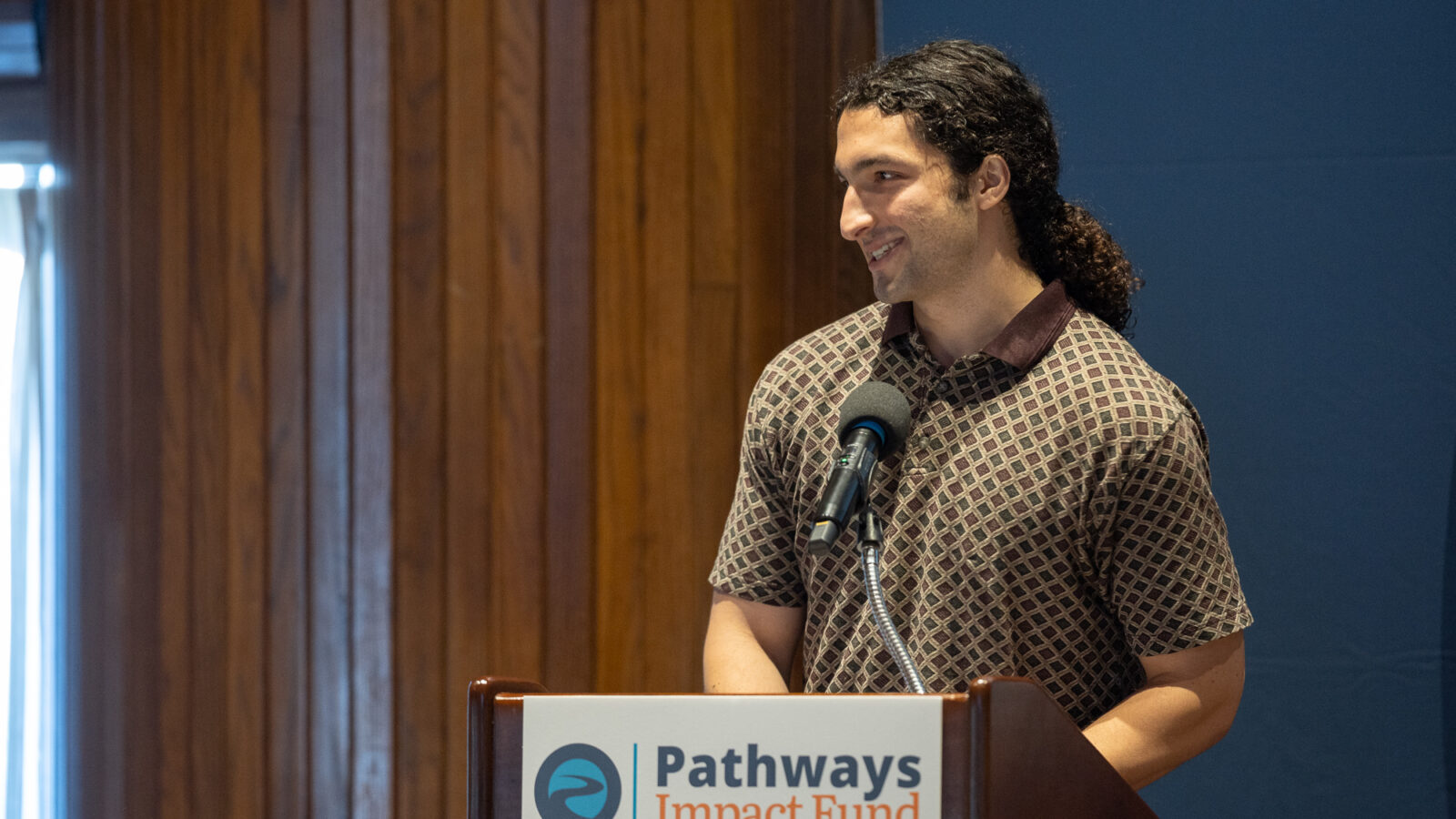
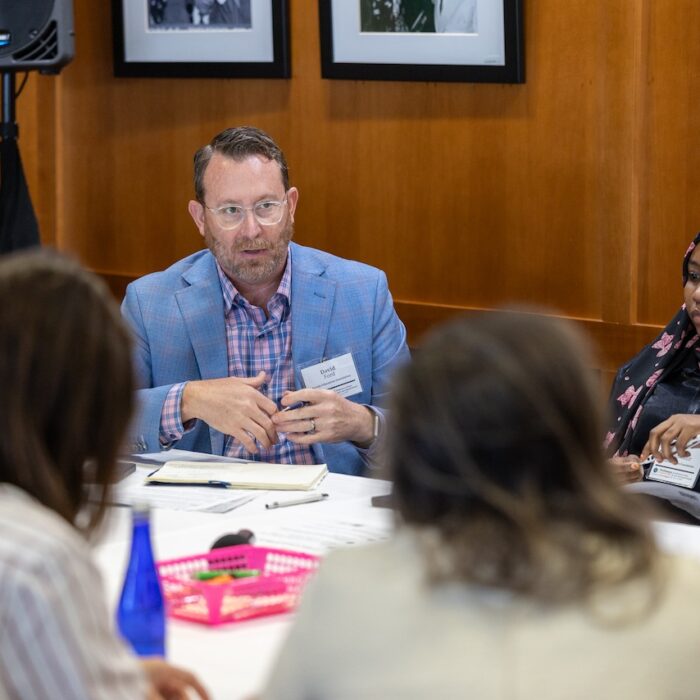
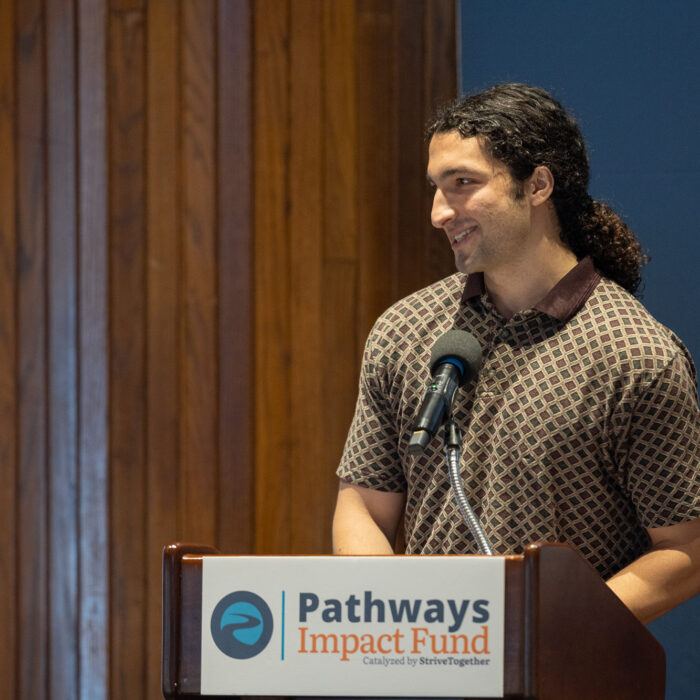
At the 2026 Pathways Action and Learning Summit, hosted by the Pathways Impact Fund at StriveTogether, Alex Edgar, a 22-year-old civic leader and founder of Youth250, described a pattern he has seen many times. The rooms are full of well-meaning adults designing systems for young people, with almost no young people there to help shape them. “I turned up getting invited to rooms much like this one,” he says, “where I was the only young person, maybe one of a few, representing often thousands, sometimes my entire generation.”
That pattern, of young people not at the table to co-design, shows up in the data too.
Ask a high school student what the adults in their life talk to them about most, and the answer is nearly always college. According to Gallup research, 68% of high school students say adults talk to them a lot about college, while fewer than one in four say they have real conversations about anything else, whether apprenticeships, job training programs, workforce pathways or starting a business.
About one in three Gen Z students say they want a path other than a four-year degree, yet when you ask those students what the adults around them focus on, the answer is still college. A whole group of young people is being pointed toward a door they have already decided is wrong for them, while the paths they are looking for stay largely unmarked.
Meanwhile, fewer than one in four parents say they know much about internships, apprenticeships or certification programs, the very options their children may need most. When a parent does not know a pathway exists, the research shows, their child almost never finds it on their own. The gap at home mirrors the gap at school, and together they leave many young people making the biggest decisions of their lives without a guide.
An Economy That Has Already Moved On
The job market has changed faster than the systems meant to prepare students for it. Georgetown University’s Center on Education and the Workforce projects that by 2031, 85% of good jobs, defined as those paying at least $43,000 a year, will require some form of education or training after high school. At the same time, college enrollment is still below its 2010 peak, and nearly 40% of first-time college students do not finish a degree within eight years.
That education and training takes the form of credentials, and those credentials can look many different ways, from a four-year degree, a two-year technical program, an industry certification or a registered apprenticeship.
Most students aren’t getting what they need from the systems they’re in.
Young people need a full picture of what is available to them, honest guidance about which paths fit their interests and goals and real experience to make those paths feel within reach.
Source: Gallup
Young people feel this as both a readiness gap and a sense of not belonging. Research from the Organisation for Economic Co-operation and Development (OECD), covering 10 countries over a decade, found that young people today have more schooling than their older peers but less real work experience, and are three to four times less likely to be employed globally.
When young people are asked to describe their generation, the word that surfaces most is lonely. They are highly connected online, yet as the Stanford research notes, often let down by systems that feel outdated and out of touch, a mismatch between the open and flexible world they grew up in and the rigid structures they are asked to step into.
Why Purposeful Pathways Are the Answer
A purposeful pathway is a connected set of experiences that begins in high school and extends beyond graduation, built around high-quality advising, accelerated coursework and career-connected learning that cultivate purpose, belonging and social capital, so that students graduate with agency and momentum toward economic mobility.
In March 2026, the Commission on Purposeful Pathways released A Launchpad for Life: A Vision for Purposeful Pathways for All Students, a research-based plan developed by youth voices and leaders from K-12, higher education and workforce systems. The report calls on communities to make sure every student has access to three core experiences: high-quality advising that helps students know their options and stay connected to trusted adults at every step; accelerated coursework that gives students access to college credit and industry credentials aligned to good-paying careers; and career-connected learning that links the classroom to the real world, building skills and relationships before graduation.
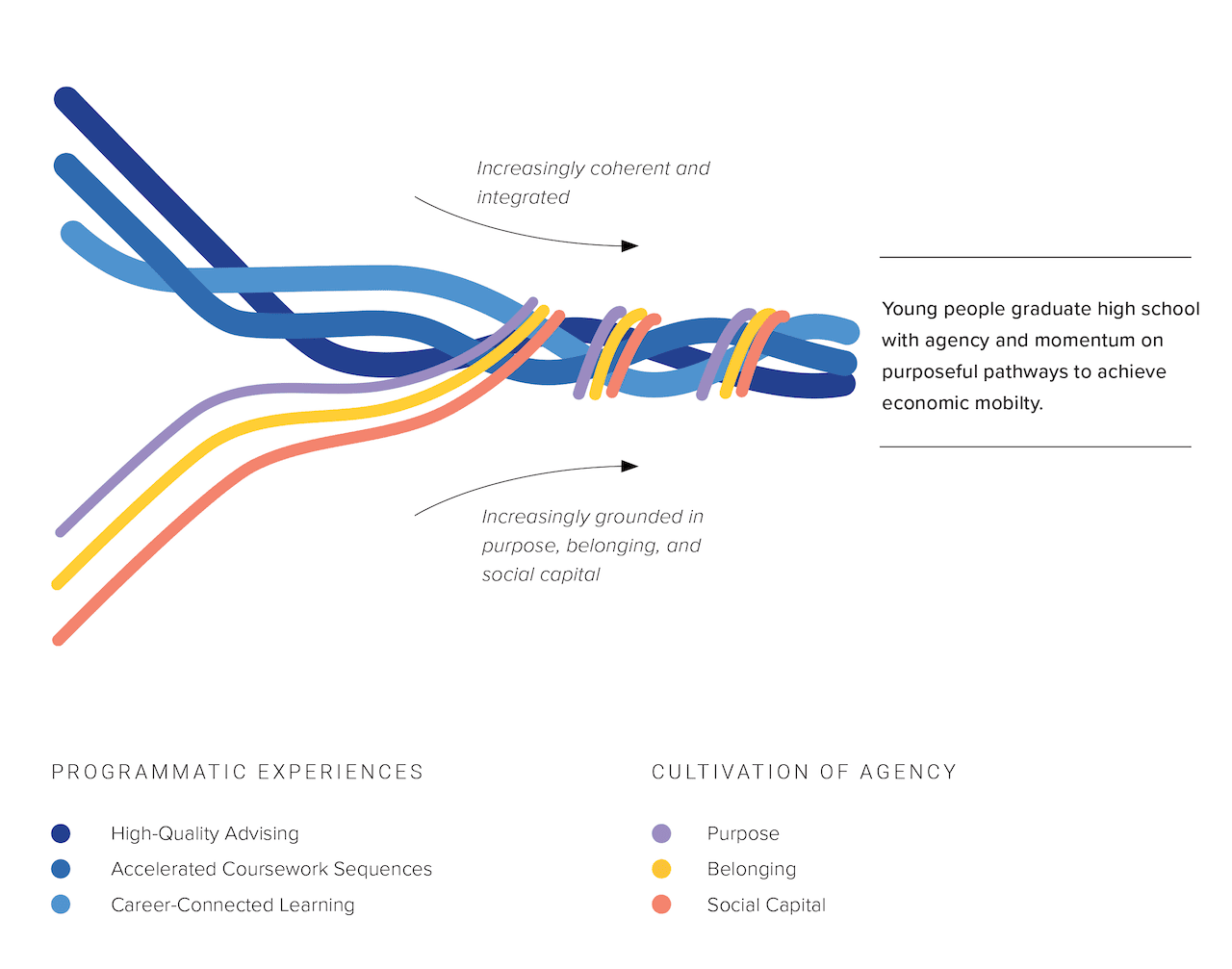
The Commission also named something that young people themselves pushed for: purpose, belonging and social capital. Linking learning to students’ own values and interests. Creating conditions where students feel supported and confident enough to try new things. Building the relationships and networks that open doors a credential alone cannot. These are central design principles, and they are what make a pathway work for the students who need it most.
It also means bringing young people into the process of building these systems. When Alex has seen this done well, with students at the table before decisions are made, things shift. “When we get this right,” he says, “it is genuinely transformational. Young people develop a sense of purpose and agency.” That shift, from feeling like the future is something that happens to you toward feeling like something you can shape, is exactly what purposeful pathways are built to create.
When we get this right, it is genuinely transformational. Young people develop a sense of purpose and agency.
Alex Edgar, civic leader and founder of Youth250
Building Toward That Vision
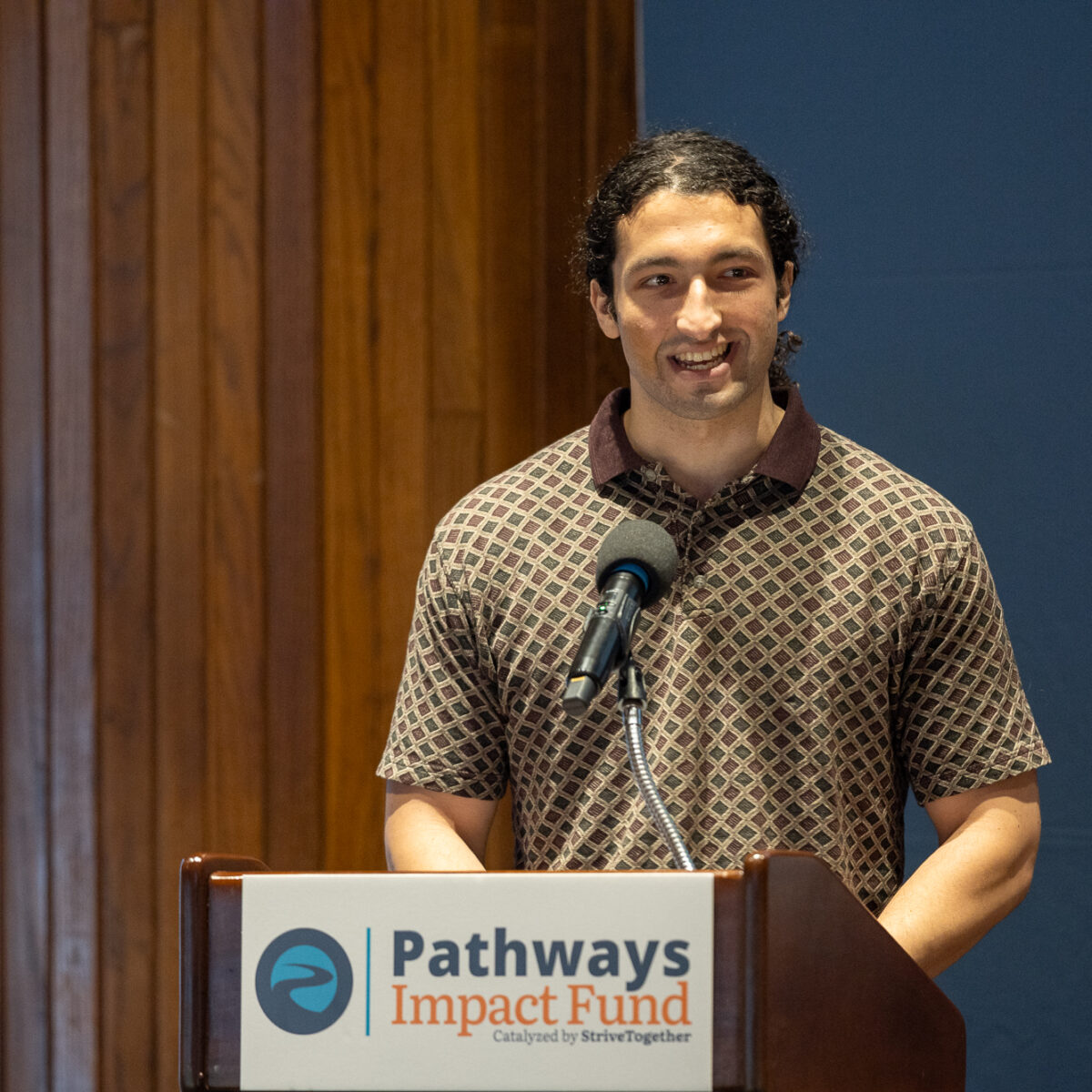
The Pathways Impact Fund at StriveTogether was created to close the gap between that goal and what young people are experiencing today. Launched in 2025 and backed by some of the country’s largest foundations, the Fund supports regional organizations, place-based groups that connect schools, workforce systems and communities to build clear, high-quality pathways for students. With an initial $7.5 million already invested across five regions, the Pathways Impact Fund is working toward a clear goal of getting more young people on high-quality pathways to good jobs and economic opportunity.
Gen Z arrives at this moment with the ambition, drive and belief that a better future is possible. What they need are systems willing to meet them there, with clear options, honest guidance, real-world experience and the relationships that make the whole journey feel within reach. “We are adaptable,” Alex says. “We are ready to bring real value into the institutions and spaces we are part of. The real question is whether our systems are building environments where they actually value what young people offer.”
Building those environments is the work, and communities across the country are already showing what becomes possible when the hope young people have for their future is matched by the systems meant to support it.
Additional Resources
Reflections and Resources from the Pathways Action and Learning Summit
The State of Generation Z: A Generation Ready to Lead and How Purposeful Pathways Can Make It Possible