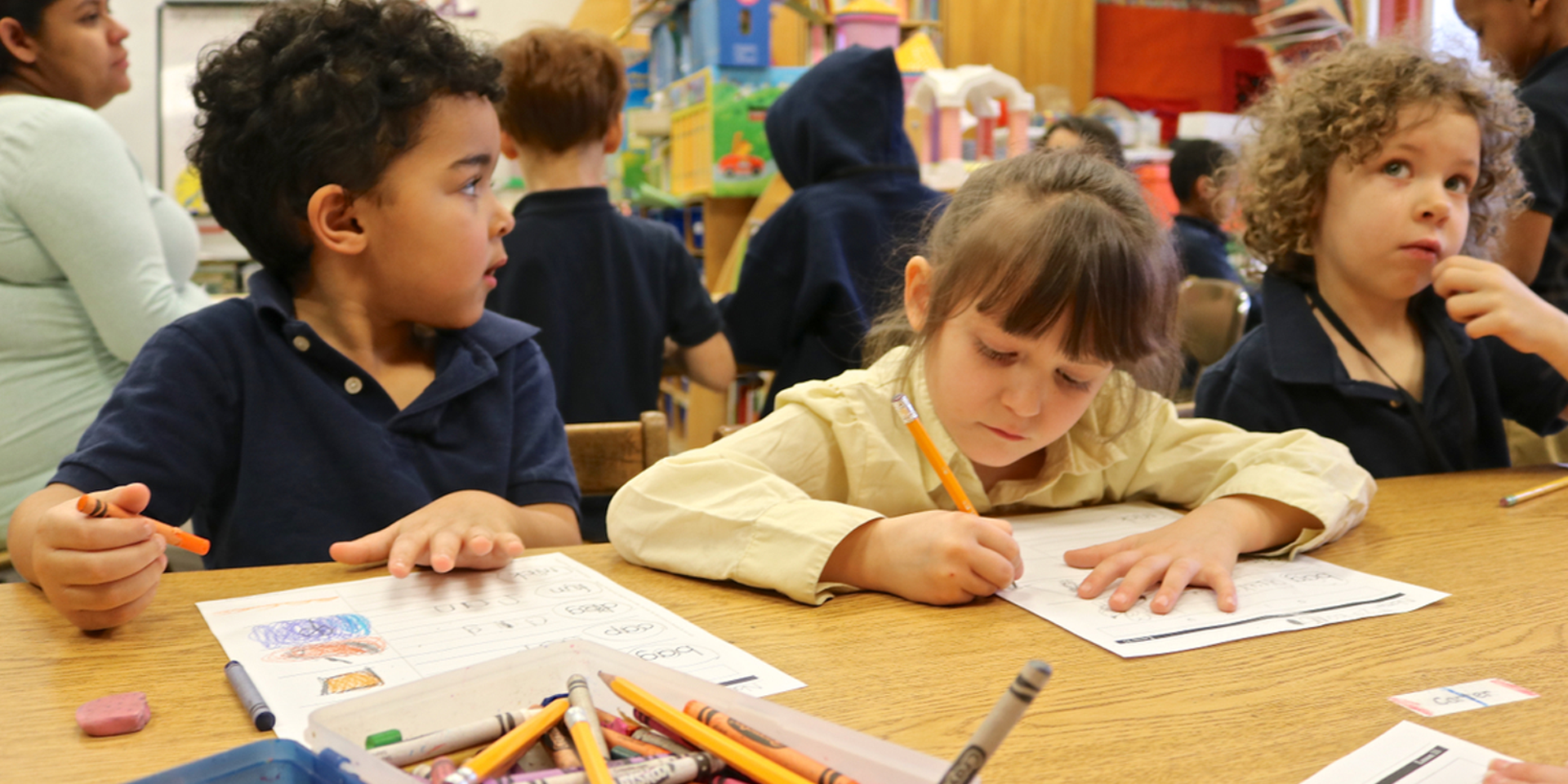
Three young children sit at a table. One is leaning over a worksheet with a pencil in her hand.

Kindergarten Readiness

Overview

Overview


Kindergarten readiness includes the skills, supports and experiences children need as they start school.

Research and examples from the Cradle to Career Network show how early learning, support for families and aligned systems help more children enter kindergarten ready to learn.

Kindergarten readiness sets the foundation for a child’s academic success and long-term economic mobility. When more children start school ready to learn, entire communities benefit.

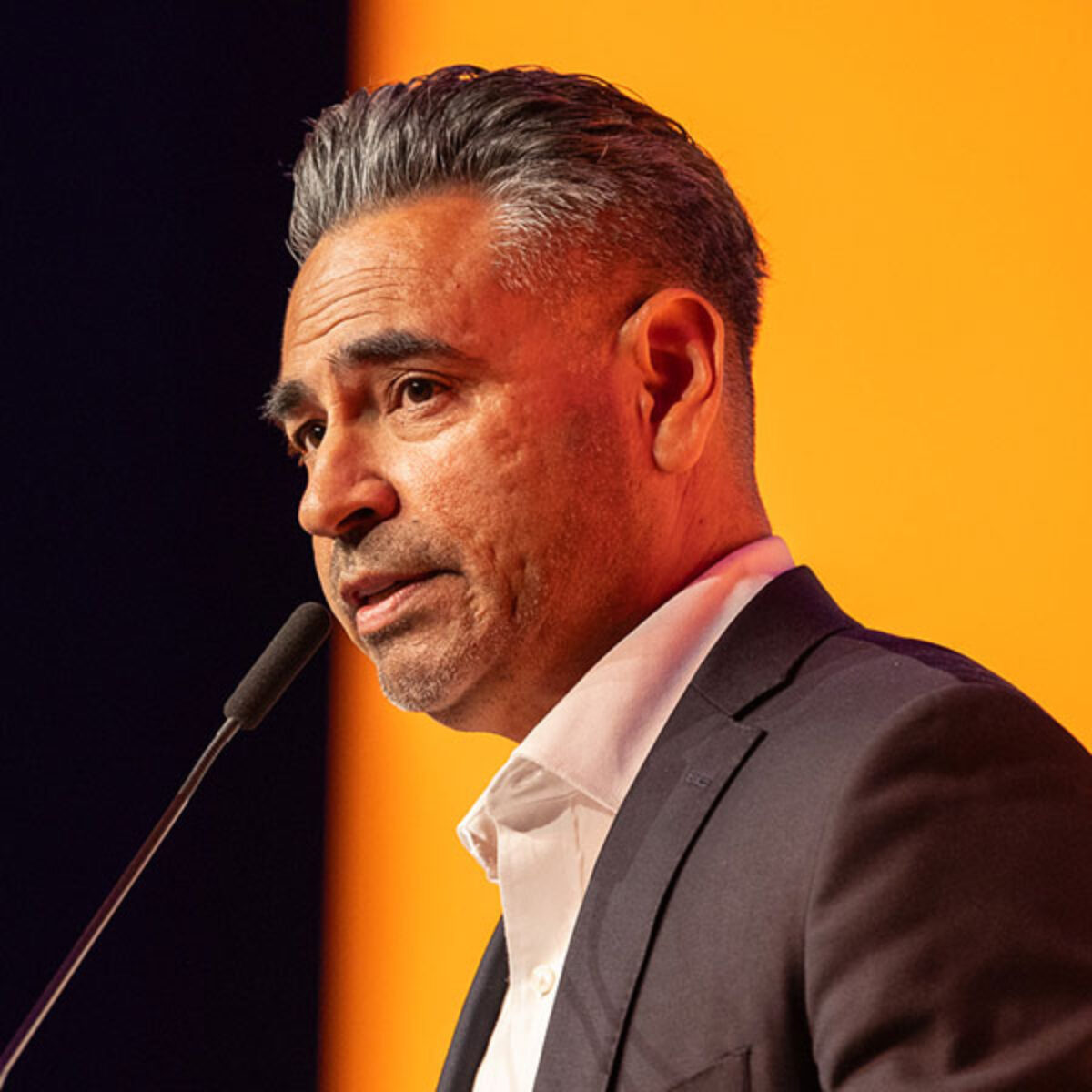
Richard Raya, CEO of Marin Promise Partnership

San Rafael, California
Learn About Marin Promise's Approach
Richard Raya, StriveTogether board member, addresses the crowd at the 2025 Cradle to Career Network Convening
The Challenge Why It Matters
Why It Matters

Kindergarten readiness means children have the early skills and support to:
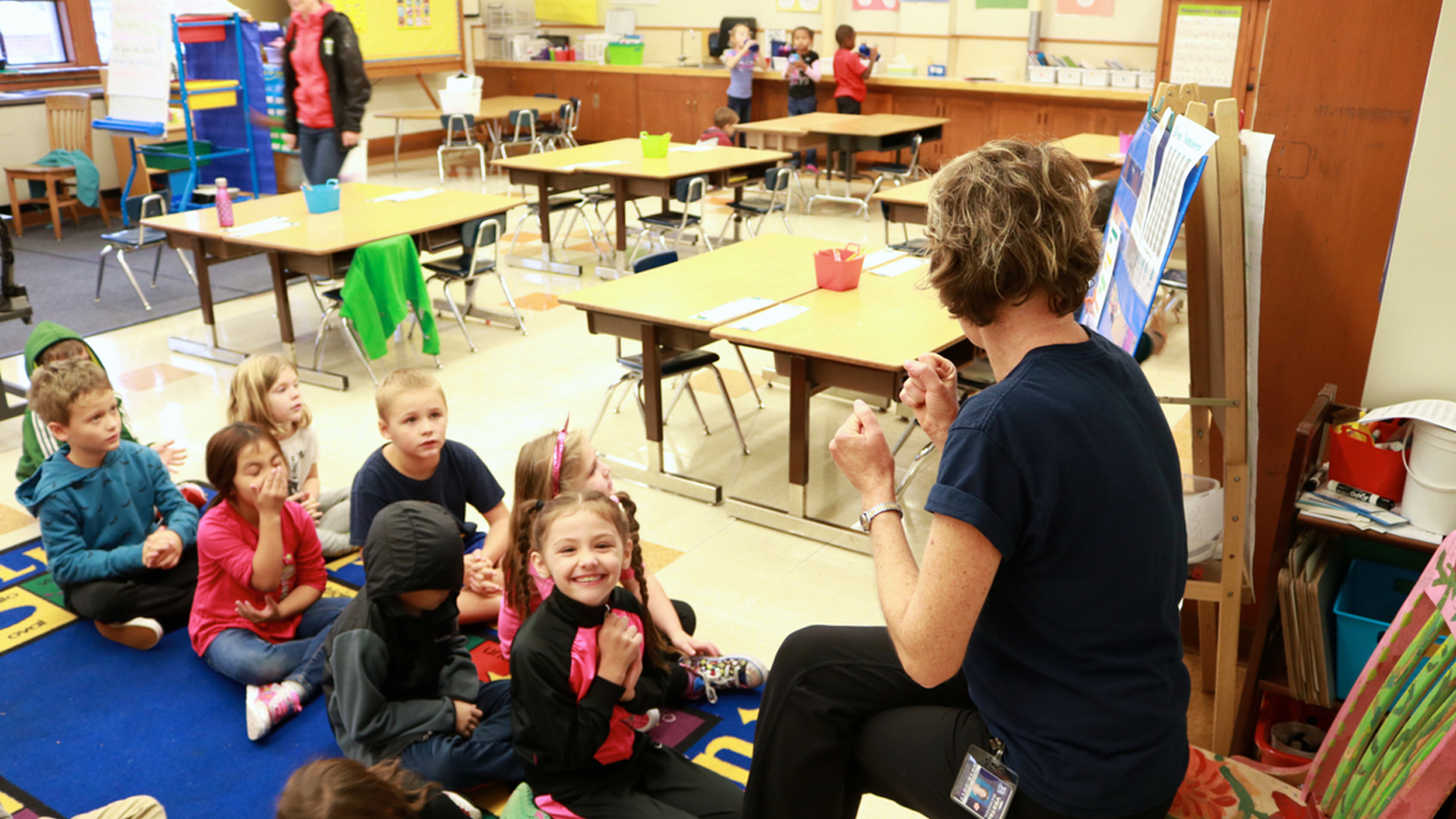
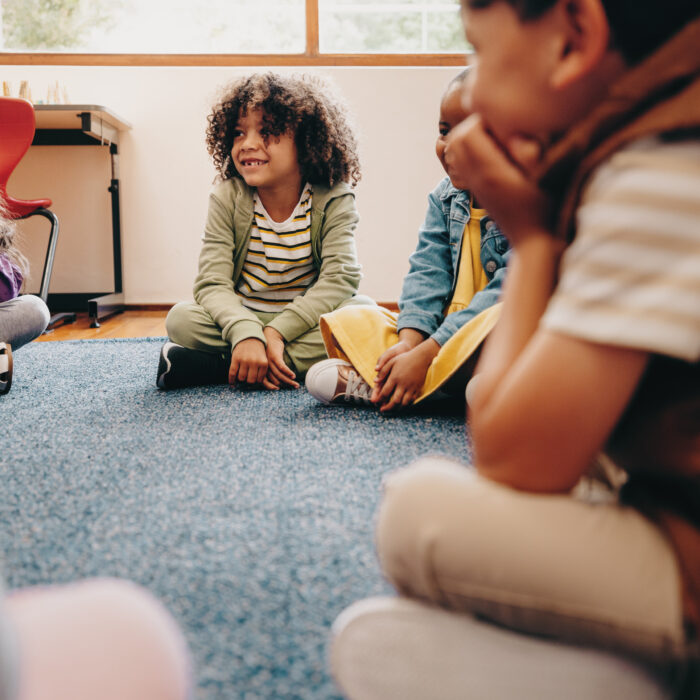
A teacher sits in front of a group of young students all sitting in a line. They're in an elementary school classroom.

Develop across key domains

Kindergarten readiness includes development across five key domains: language and literacy, cognition, approaches to learning, physical development and social-emotional development. Together, these skills help children communicate, solve problems, manage emotions and engage in the classroom.

Benefit from early experiences

Children’s development is shaped by a wide set of early experiences and conditions, starting before birth. Relationships with caregivers, enriching early learning and safe environments all influence how children develop the skills they need when they enter kindergarten.

Access essential supports

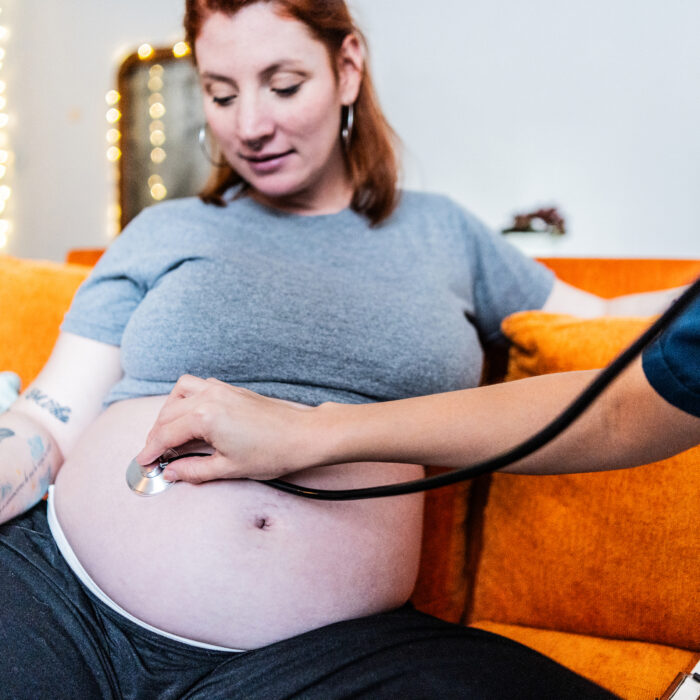
Research and practice point to five essential supports for early development: prenatal and neonatal care, developmental screenings and supports, access to high-quality pre-kindergarten, early childhood family supports, and environments that nurture physical, social-emotional, language and early learning development.

What Drives Change
What Drives Change

Communities see stronger readiness when children have access to:
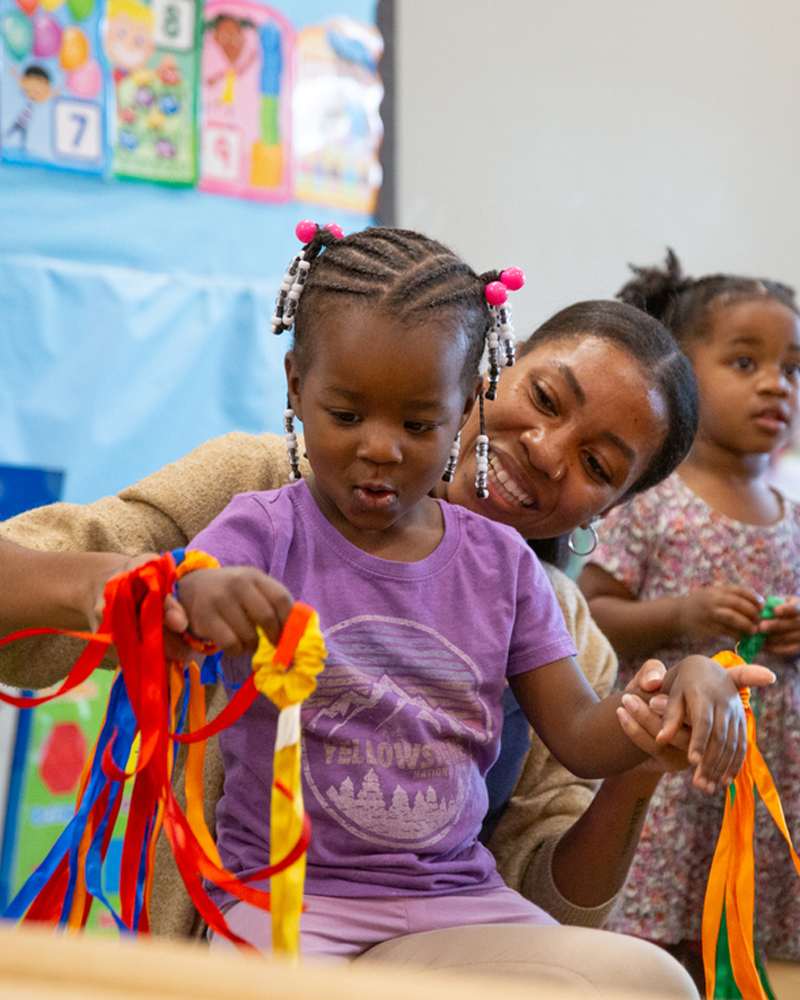
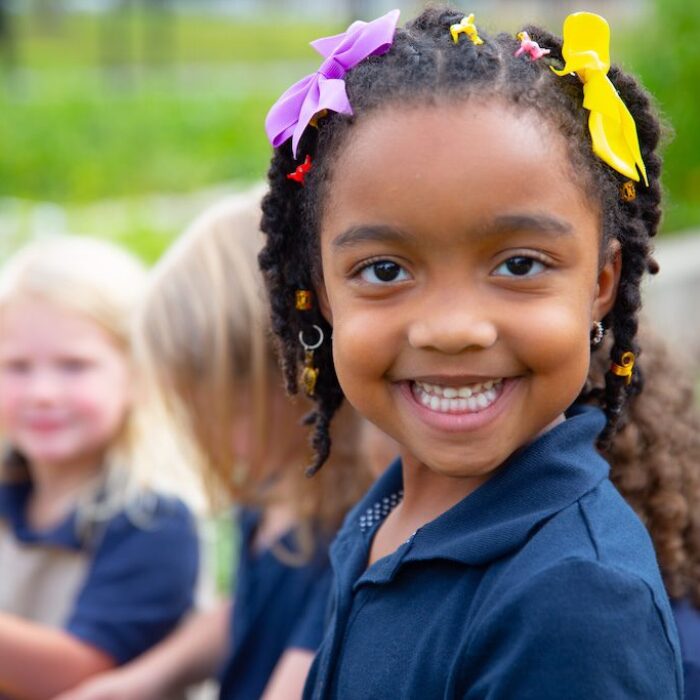
A kindergarten-aged student looks excitedly at ribbons that an adult is holding in front of her.

High-quality, full-day pre-kindergarten

High-quality, full-day pre-K gives children consistent, supportive learning experiences during a critical period of development. These programs help children build early language and the cognitive, physical and social-emotional skills that make them ready to learn. 

When children have access to high-quality early learning, they’re more prepared to engage in the classroom, follow routines and start forming early literacy skills that lead to success.

Trained early childhood educators

Early childhood educators play a central role in helping children enter kindergarten ready to learn. Educators who have access to training, coaching and ongoing support are better equipped to create safe, engaging learning environments.

Strong educator preparation helps teachers respond to children’s needs, build positive relationships and support early learning experiences that promote confidence, curiosity and school readiness.

Positive school and classroom environments

Children are more likely to be ready for kindergarten when they learn in environments that are safe, welcoming and supportive. Positive school and classroom climates help children feel a sense of belonging and trust, which supports engagement and learning. 

When children feel supported emotionally and socially, they’re better able to focus, build relationships and develop the skills needed to succeed in school.

Coordinated care and family support

Kindergarten readiness is shaped not just by learning experiences, but also by whether a child grows up with their basic needs met. Health care, housing stability, nutrition and family services all influence early development.

Communities that coordinate care and align family supports can reduce barriers to learning, strengthen family well-being and create the conditions children need to arrive at kindergarten ready to learn.

Sally Bridges, parent and early learning program participant with Cradle to Career Network member Spartanburg Academic Movement smiles at the camera.

My hope for my kids is to thrive. To be good people, to learn to the best of their ability and to love learning. I just want them to enjoy school and feel prepared for life.

Sally Bridges, parent and early learning program participant

Spartanburg, South Carolina

Learn more
Sally Bridges, parent and early learning program participant with Cradle to Career Network member Spartanburg Academic Movement smiles at the camera.
Economic Impact
Economic Impact of Early Learning

Early learning investment drives long-term success for children and communities.
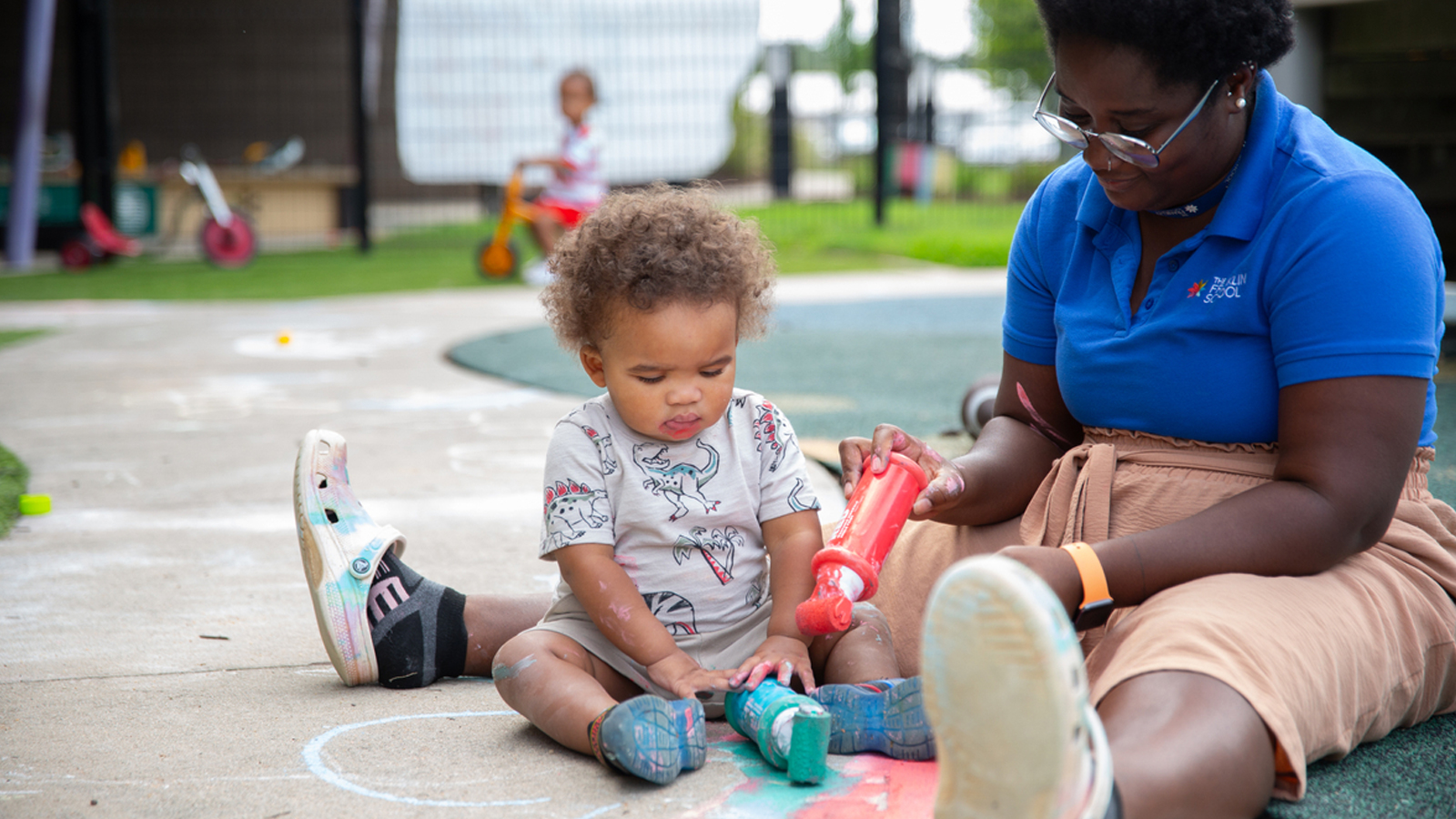
A toddler sits on the ground with an adult playing with rolling chalk.

Early investments build strong foundations

High-quality pre-K strengthens language and cognitive, physical and social-emotional development. These areas are central to kindergarten readiness. 

Investing pays off. Research shows that every dollar invested in early learning can return at least $3 to $4 through higher lifetime earnings, increased workforce participation and lower public costs (RAND). Communities that invest early build stronger outcomes and stronger economies.

Early learning creates long-term impact

High-quality early learning helps children develop the skills they need to start kindergarten ready to learn, which impacts the rest of their lives.

Access to early learning is connected to later outcomes like graduation rates, workforce participation and long-term economic mobility. Increasing access also benefits the economy: According to Council for a Strong America, universal preschool programs can return an average of $15,000 to society for every child served.

Aligned systems support families and children

Children are more likely to start kindergarten ready to learn when families have support outside of the classroom. Housing, health care, learning options and family supports all play a role in early development. 

Communities that align schools, early childhood providers and family-serving organizations create stronger conditions for readiness. When systems work together, families are better supported and children arrive at school prepared. That support improves long-term educational and economic outcomes.

Continuing Challenges

Strong starts remain a challenge for many children without the early learning opportunities they need.
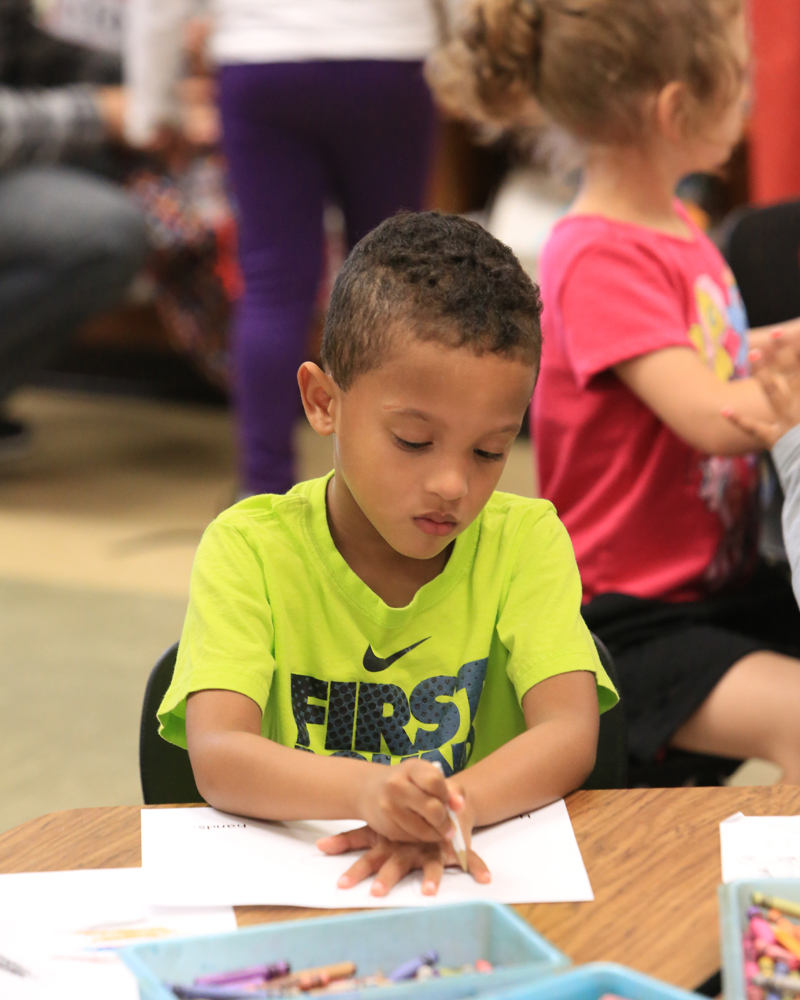
Access to quality early learning programs

Publicly funded pre-K reaches fewer than 1 in 5 three-year-olds nationwide. For families who don’t qualify for public programs and can’t afford private ones, quality early learning is simply out of reach. 

Children who miss high-quality programming in the birth-to-five window enter kindergarten behind on language, cognitive and social-emotional skills.

Socioeconomic barriers shape readiness early on

Access to health care, housing and economic opportunity shapes readiness before children enter a classroom. Limited prenatal care raises risks of low birth weight and developmental delays. Families just above the federal poverty line often don’t qualify for early learning programs but can’t afford private programs. 

Without quality early learning, gaps tied to race and income grow wider and children who start kindergarten without foundational skills rarely meet grade-level benchmarks by third grade.

Workforce instability weakens early care quality

Recruiting and retaining qualified early childhood educators is one of the sector’s greatest challenges. Training is costly and wages are uncompetitive, driving high turnover, particularly in schools where need is the greatest.

Consistent, experienced teachers improve readiness outcomes, but workforce instability undermines that benefit. 

Playbook
Related Resources

Related Resources and Courses

Up Next Next Outcome: Early Grade Reading

Loading term details...

Error loading term details. Please refresh the page and try again.

Term Name